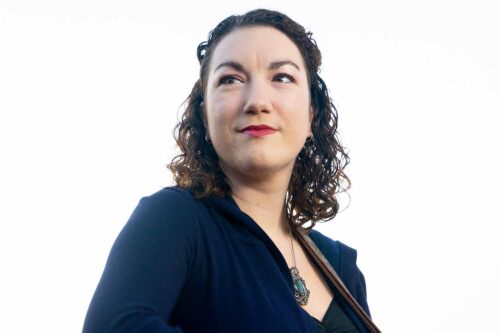
By Sarah Blakely
Imagine you have just turned 18. You’re invited by an upperclassman to your first college party. You don’t have any friends at the university yet, so you welcome the invite, hoping to make a few new connections.
You arrive at the party with your new upperclassman acquaintance, and he serves you drink after drink. Eventually, he’s tipping your cups back, forcing liquor down your throat. Throughout the night, he gets more aggressive, isolating you from conversations with other people and pulling you away from potential friendships. He says there’s another party at his friend’s house around the corner, so you leave with him, expecting to walk into another rager. You walk through the door to find two guys sitting on a couch smoking weed from a bong.
You’re very drunk and uncomfortable now, trying to make small talk with the stoners on the couch to avoid the persistent intoxicated man who led you here. One more drink, he insists, mixing it himself, much too strong.
You wake up the following morning over a toilet in a stranger’s apartment with fragmented memories of that same upperclassman straddling you on a bed and forcing you to perform oral sex while in and out of consciousness.
My story is unfortunately not unique. The period between the start of the fall term and Thanksgiving break, known as “the red zone,” sees a significant increase in campus assaults. College-aged women from 18-24 are three to four times more likely to experience sexual violence, according to RAINN (Rape, Abuse & Incest National Network).
But what happens after the assault is equally traumatic. Perpetrators of sexual violence, especially in university settings, are rarely punished for their crimes. Even if victims do report the assault, abusers are often let off with nothing more than a warning. Meanwhile, victims may suffer for years, even decades, after their assault.
In my case, my abuser finished his degree elsewhere, with a mild slap on the wrist. He went to jail for a few days before his parents bailed him out. He now has a successful career, and I can’t even find his name online related to sexual assault, despite supposedly registering as a sex offender. He even got to write an anonymous opinion piece for the campus newspaper, the Daily Emerald, as part of his “punishment” because he was a journalism major.
But so was I. Why was I left with my own silence while the district attorney and the detective working my case, both male, offered my abuser an opportunity in his field of choice?
I remember the judge telling me after reading my victim impact statement that it was the most forgiving statement he had ever seen in his career. At the time, I took that as a compliment, thinking it meant I was a good person because forgiving makes you good, right?
Now, looking back, I realize I should have pushed for harsher punishment. Whatever emotional upset he had experienced in those few months when I was fighting to see justice served to a criminal couldn’t even begin to compare to the years of PTSD flashbacks, nightmares, anxiety and panic attacks that the future held for me. And the $221.95 I had won to cover my medical expenses felt more like a slap in the face than justice for the victim of a crime.
A little more than $200 for medical expenses wouldn’t even cover more than a single therapy appointment, and almost 10 years later, I still have nightmares of him on top of me, crushing my body underneath his for his own sick pleasure.
My story highlights the many problems with our justice system and how we deal with sexual violence. Until our criminal justice system actually pursues justice for the victims of sexual crimes, these men (and yes, I say men, because the vast majority of sexual predators are men) will continue to assault and molest and rape women (and other men) without fear of consequences.
Victims of sexual assault need to be heard, believed and supported. We need to educate ourselves and others on consent, healthy relationships, and bystander intervention. We need to hold perpetrators accountable for their actions and stop giving them a free pass to continue assaulting others. We also need to challenge the cultural attitudes and stereotypes that perpetuate sexual violence. Victim-blaming, slut-shaming and toxic masculinity only contribute to a society that allows sexual violence to thrive.
In sharing my story, I hope it empowers more women to come forward, speak up and fight to change a broken system.
Sarah Blakely is a writer and former student at the University of Oregon. She is also a survivor of campus sexual assault.
A Note From the Publisher

Dear Readers,
The last two years have been some of the hardest in Eugene Weekly’s 43 years. There were moments when keeping the paper alive felt uncertain. And yet, here we are — still publishing, still investigating, still showing up every week.
That’s because of you!
Not just because of financial support (though that matters enormously), but because of the emails, notes, conversations, encouragement and ideas you shared along the way. You reminded us why this paper exists and who it’s for.
Listening to readers has always been at the heart of Eugene Weekly. This year, that meant launching our popular weekly Activist Alert column, after many of you told us there was no single, reliable place to find information about rallies, meetings and ways to get involved. You asked. We responded.
We’ve also continued to deepen the coverage that sets Eugene Weekly apart, including our in-depth reporting on local real estate development through Bricks & Mortar — digging into what’s being built, who’s behind it and how those decisions shape our community.
And, of course, we’ve continued to bring you the stories and features many of you depend on: investigations and local government reporting, arts and culture coverage, sudoku and crossword puzzles, Savage Love, and our extensive community events calendar. We feature award-winning stories by University of Oregon student reporters getting real world journalism experience. All free. In print and online.
None of this happens by accident. It happens because readers step up and say: this matters.
As we head into a new year, please consider supporting Eugene Weekly if you’re able. Every dollar helps keep us digging, questioning, celebrating — and yes, occasionally annoying exactly the right people. We consider that a public service.
Thank you for standing with us!
Publisher
Eugene Weekly
P.S. If you’d like to talk about supporting EW, I’d love to hear from you!
jody@eugeneweekly.com
(541) 484-0519