By Barbara Bryson, Kim Kelly and Cynthia Lafferty
This month, we have two contributors to the Garden Palette — our native plant expert, Cynthia Lafferty from Doak Creek Natives and Barbara Bryson, manager of Habitat Haven in Eugene. — Kim Kelly
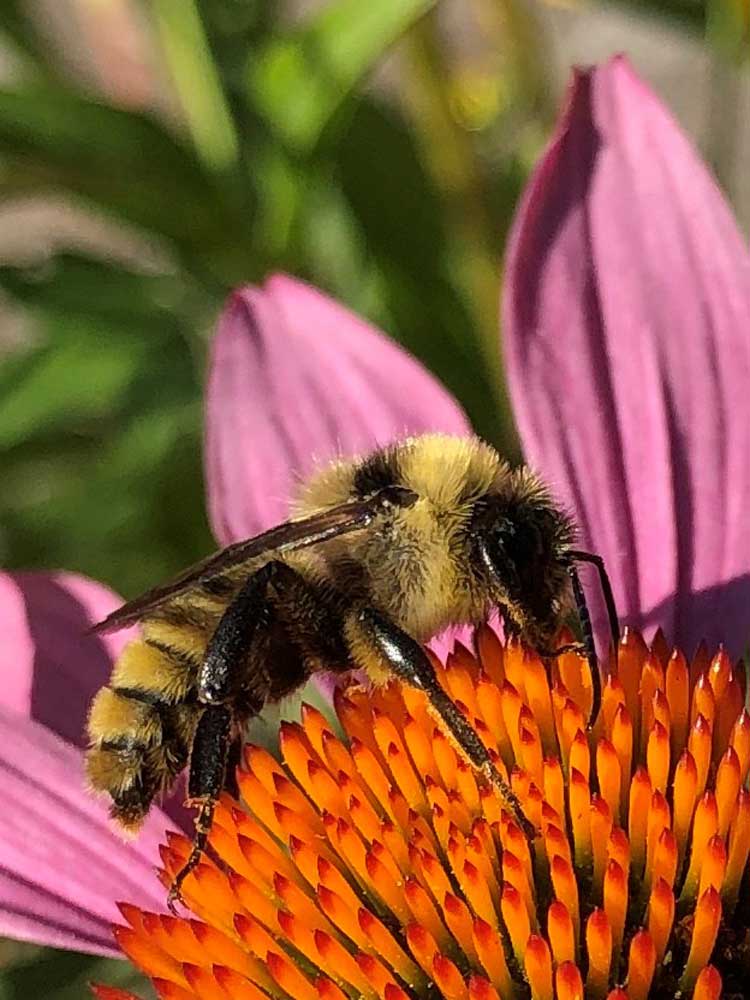
Winter greetings, fellow plant lovers. As our world lies mostly in dormancy, I have pondered over the native plant gardens around the nursery in the past year. I have noticed a general decline in native bees, bumble bees, butterflies, moths and insects in general.
Our entire world is run on the littlest creatures: insects, butterflies, moths and bees that are in alarmingly low numbers. According to the research done by noted entomologist and author Doug Tallamay, it is recommended that we plant natives and focus on keystone native plants to your area. Keystone plants are those that evolved in a region to provide the highest amount of food source for insects, caterpillars, butterflies, moths and bees.
In the upper canopy of trees, our native oaks provide the highest amount of habit, supporting more than 500 species — while cherries and willows are also very high in supporting valuable habitat. In the shrub layer of our canopy, some of the higher sources of habitat are the Oregon grape family (Mahonia), the Ceanothus family, Arctostaphylos family (manzanita/ kinnickinnick) and Oceanspray (Holodiscus).
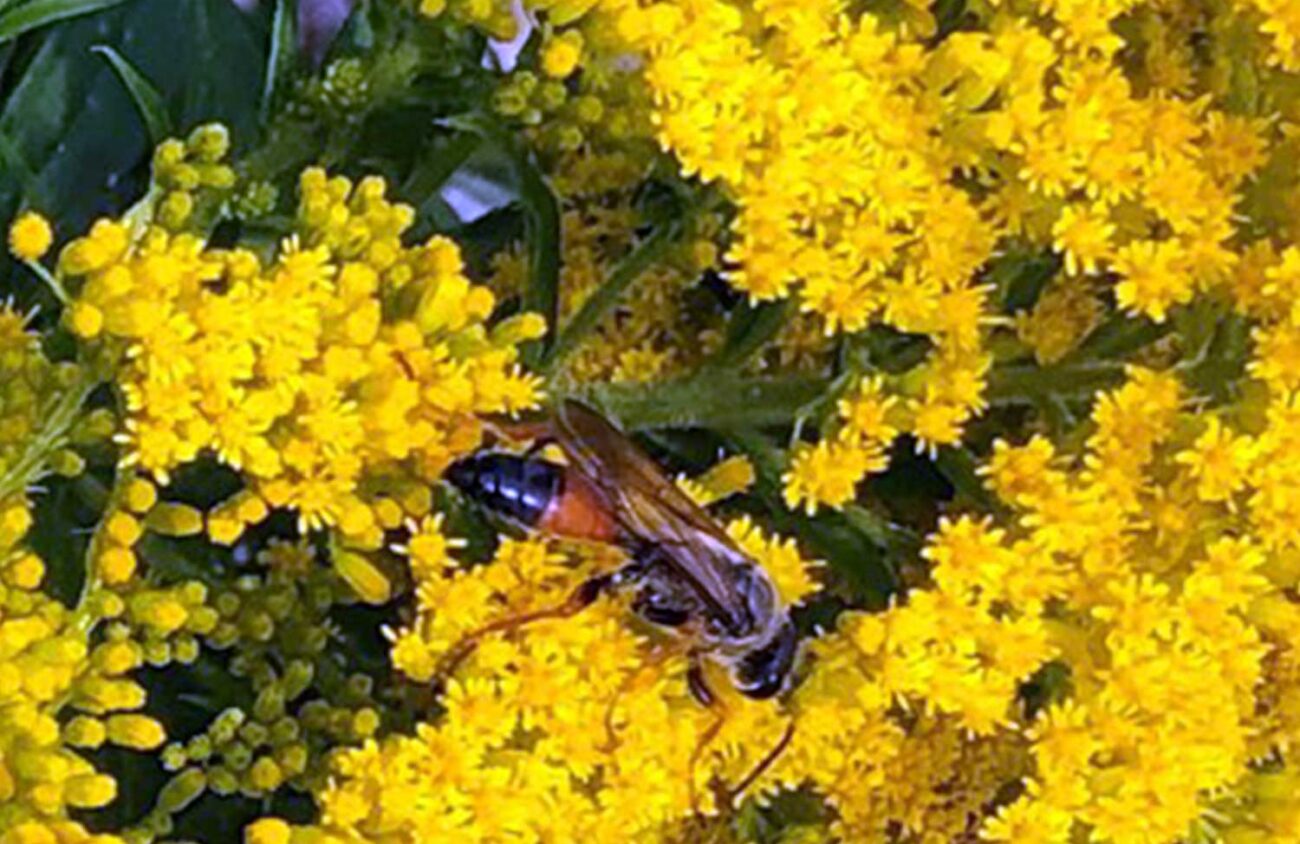
In the lower canopy, the flowers supporting the most moths, butterflies, and pollinators are Helenium, checkermallows (Sidalcea), yarrow (Achillea), Erigeron, Wyethia, Western coneflower (Rudbeckia), with goldenrod (Solidago) and asters (Symphotrichum) as being two of the highest.
The National Wildlife Federation has a comprehensive list for each region of keystone plants if you enter your zip code on their site: NativePlantFinder.nwf.org.
Here are some other important things to help with the decline of pollinators in the insect world.
1) Remove invasive plants. They destroy natural habitats. If you have time, volunteer at your local park or neighborhood association to help maintain and clear these areas.
2) Find alternatives to herbicides and pesticides and encourage neighbors to adopt spray-free zones. (Note from Kim Kelly: For years, I have used vinegar to kill weeds. Or pull them.)
3) Help reduce light pollution. The bright outdoor night lights kill thousands of moths. Replace your outdoor lights with yellow LED lights. For every butterfly, there are approximately 14 kinds of moths. They are the workhorses of the Lepidoptera family, producing many caterpillars that are the primary food source for 90 percent of our songbird fledglings.
The Upper Willamette Soil and Water Conservation District is hosting Tallamay Jan. 23 at Wildish Theater in Springfield. Tallamay is the author of many books, including: Bringing Nature Home, Nature’s Best Hope, The Nature of Oaks, and his latest book, How Can I Help? All of Tallamay’s books offer inspiring and hopeful ideas and information on how to get started in your own yard.
If you would like to do more to help pollinators, check out the Habitat Haven backyard certification program run by Barbara Bryson.
Bryson reports that a key consideration of the certification program is the natural food web that evolved over millions of years. Songbirds require native insects to feed their nestlings and those insects eat native plants. Many native bees similarly require (or prefer) native wildflowers.
An estimated 3 billion birds have disappeared from North America in the past 50 years and pollinators are down about 40 percent worldwide. The major culprits are loss of habitat and pesticide use. Replacing (or not planting) lawns and choosing native plants for landscaping is an excellent first step toward reversing this decline.
As Tallamy says, “If we replaced half of American lawns with native plants, we would create the equivalent of a 20 million acre national park.”
The compounding negative impacts to our natural world can feel overwhelming. But a growing number of people in our community are experiencing the joy and satisfaction of helping birds, other wildlife and pollinators right in their own yards. The Habitat Haven program, under the auspices of Coast to Cascades Bird Alliance and supported by a grant from Upper Willamette Soil and Water Conservation District, began just 20 months ago and has already enrolled more than 200 households.
Habitat Haven is run mostly by knowledgeable volunteers, who make a site visit with the homeowner, focusing on creating a healthy habitat. A personalized plan follows, and a yard sign is provided to proudly display the intention to help heal nature at home. There is a suggested fee of $35 to $50 for the consult and plan.
Restoring habitat in residential yards makes a difference, and Habitat Haven participants see the results firsthand. Many say they are seeing new bee, bird and butterfly species. The site visits and reports are overwhelmingly appreciated. Comments like: “This was the best thing ever! I’m so excited to get started” are typical.
To learn more or to join the Habitat Haven community and to see future events, go to CCBirdAlliance.org/habitat-haven. Cynthia Lafferty owns and runs Doak Creek Native Plant Nursery in Eugene DoakCreekNursery.com. Kim Kelly edits the Garden Palette. Send questions to Gardening@EugeneWeekly.com.