“Streisand.” It’s a name, crossing over from proper noun to verb — a synonym for fabulous, shot through with electricity. “Streisand,” it could be said, is a rule for living. It’s an attitude that says life is a stage and somehow, somewhere, your audience is waiting. Do not disappoint them.
“Streisand,” of course, is also the surname belonging to Barbra Streisand, singer, actor and filmmaker, part of a pantheon of stars dynamic enough to go by one name only, along with Sinatra, Dylan, Madonna, Prince and Gaga. Performers that, in addition to formidable technical prowess, lead with their sheer force of personality.
“I was around 9 years old when I became completely mesmerized with Barbra Streisand,” Eugene-based musician and educator Shirley Andress tells me over the phone.
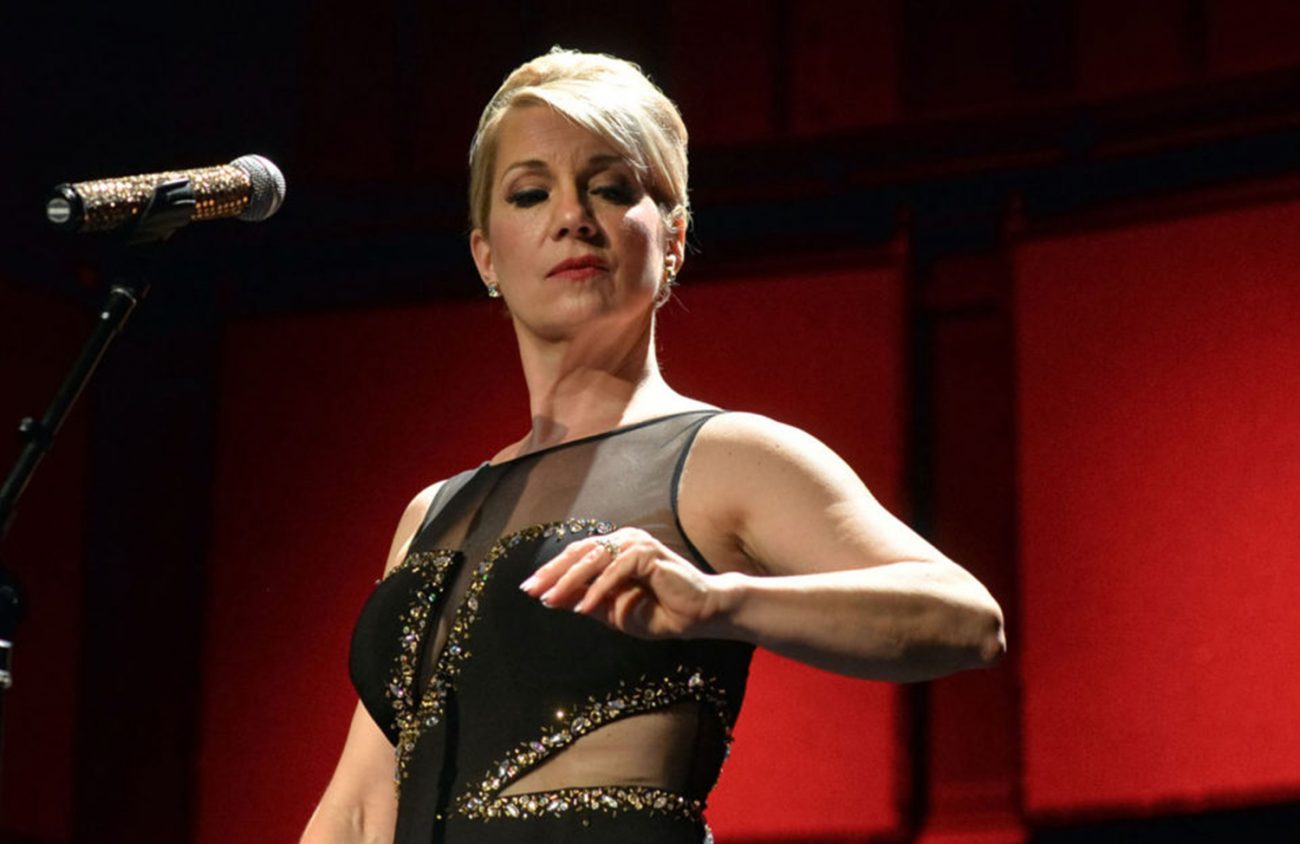
Andress pays tribute to Streisand’s early years with her one-woman show My Name Is Barbra: The Making of a Funny Girl, 1960-68. The show runs Saturday and Sunday, Feb. 29 and March 1, at The Shedd.
“As a kid she was the first vocalist I was like, ‘Wow, I want to be able to do what she can do,’” Andress says.
In selecting the 25 songs to include in her tribute, Andress drew from Streisand’s early years, including the singer’s club gigs, TV appearances, concerts and Broadway shows, adding a theatrical element to Streisand’s life during the period.
“This is definitely cabaret,” she says. “I start at the beginning of her career and talk about her childhood. It’s tied together with her story.”
Andress will be accompanied by a six-piece band led by Vicki Brabham, featuring all new arrangements from Jesse Cloninger and with direction and choreography by Richard Jessup.
Something Andress appreciates in particular about Streisand’s early career is the singer’s ambition, coupled with an unwavering commitment to make it on her own terms.
“She wasn’t that cookie-cutter, ‘You have to be blonde, blue-eyed.’ Back then that’s how it was,” Andress says. “People told her, ‘You’re ugly. You’ll never make it in this business.’ She was kooky. She was different looking. She had to fight and scrap her way.”
Streisand had a gift, and she didn’t let people shut her down.
In addition to some unexpected choices, Andress’ set list features familiar numbers from Streisand’s repertoire, songs like “Cry Me a River,” which Streisand sang after breaking up with the love of her life, Barry Dennen. “The way she sings it, she knocks you over,” Andress says.
“She had an eclectic set of songs,” Andress continues. “She was very dramatic in her choices. Sometimes her choices were downright absurd.”
After a club manager challenged Streisand’s song selection, she included “Who’s Afraid of the Big Bad Wolf” in her set list, a song also included in Andress’ show.
“Who would choose to sing this silly little song? But the way she sings it is hilarious. She made really different choices because she was trying to be noticed.”
No matter what music she chose, Streisand approached every song like a one-act play, Andress says. “She could take a song and make it work by acting it. Her style is very dramatic. It’s emotional. It’s uninhibited. Vocally, she had a ton of range and power. As a kid, I believed what she said. I felt like I was in the song with her. She was such a powerful singer. She definitely had an agenda, and it was, ‘Dang it, you’re going to listen to me because I can do this.’”
My Name Is Barbra: The Making of a Funny Girl, 1960-68 runs 7:30 pm Saturday, Feb. 29, and 3 pm Sunday, March 1, at The Shedd; $20-$32, discounts available, all-ages.
A Note From the Publisher

Dear Readers,
The last two years have been some of the hardest in Eugene Weekly’s 43 years. There were moments when keeping the paper alive felt uncertain. And yet, here we are — still publishing, still investigating, still showing up every week.
That’s because of you!
Not just because of financial support (though that matters enormously), but because of the emails, notes, conversations, encouragement and ideas you shared along the way. You reminded us why this paper exists and who it’s for.
Listening to readers has always been at the heart of Eugene Weekly. This year, that meant launching our popular weekly Activist Alert column, after many of you told us there was no single, reliable place to find information about rallies, meetings and ways to get involved. You asked. We responded.
We’ve also continued to deepen the coverage that sets Eugene Weekly apart, including our in-depth reporting on local real estate development through Bricks & Mortar — digging into what’s being built, who’s behind it and how those decisions shape our community.
And, of course, we’ve continued to bring you the stories and features many of you depend on: investigations and local government reporting, arts and culture coverage, sudoku and crossword puzzles, Savage Love, and our extensive community events calendar. We feature award-winning stories by University of Oregon student reporters getting real world journalism experience. All free. In print and online.
None of this happens by accident. It happens because readers step up and say: this matters.
As we head into a new year, please consider supporting Eugene Weekly if you’re able. Every dollar helps keep us digging, questioning, celebrating — and yes, occasionally annoying exactly the right people. We consider that a public service.
Thank you for standing with us!
Publisher
Eugene Weekly
P.S. If you’d like to talk about supporting EW, I’d love to hear from you!
jody@eugeneweekly.com
(541) 484-0519