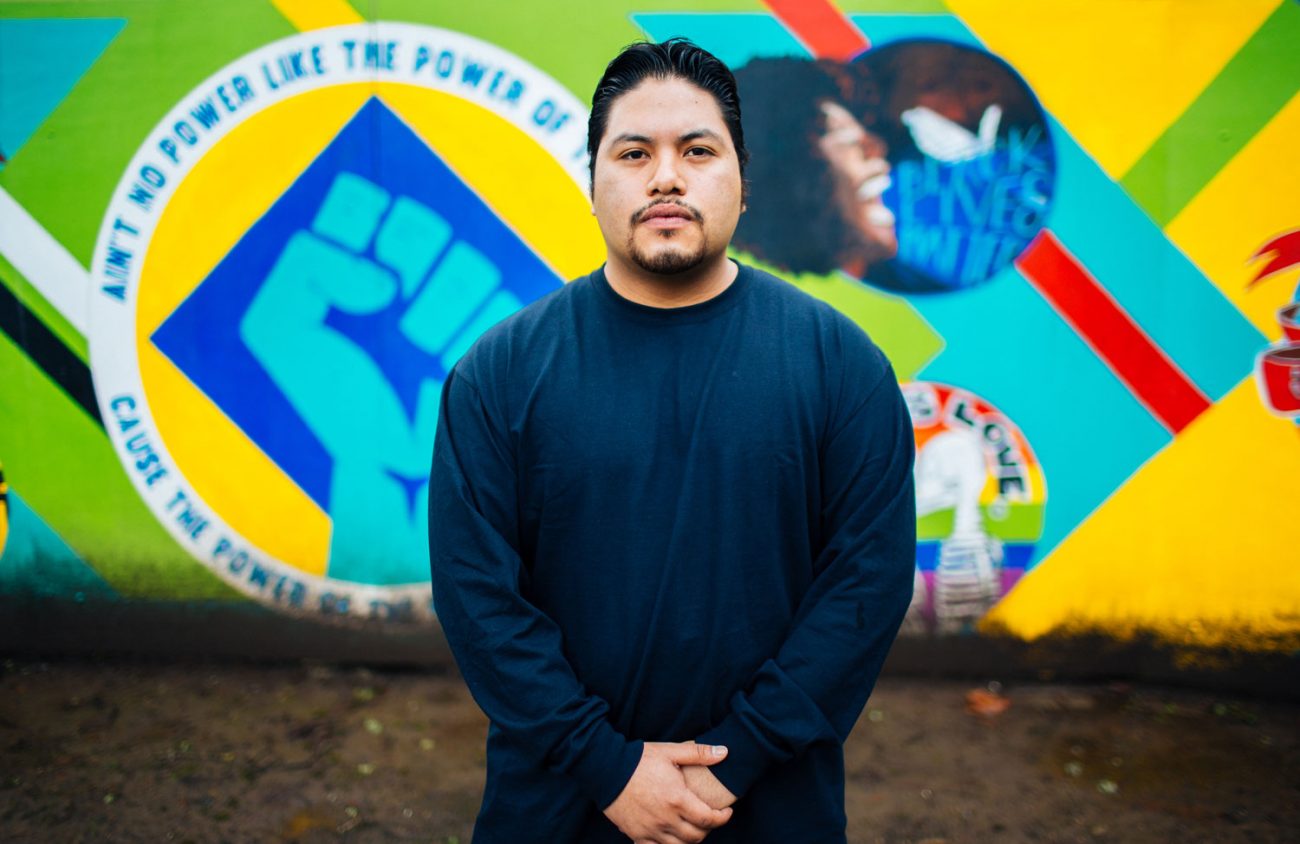
“If you teach ethnic studies to students, teach them about their culture, get them involved, they start caring more about their education and are able to succeed,” says Johanis Tadeo, organizer of Springfield/Eugene’s City Wide MEChA and community organizer at Community Alliance of Lane County.
Tadeo organizes for the local chapter of Movimiento Estudiantil Chicano de Aztlán, a nation-wide student-run organization. MEChA focuses on education and history, specifically Chicano history — a curriculum that isn’t taught in most classrooms.
“I was contacted by a student a year ago, around this time, they were talking about how they were facing a lot of racism and discrimination,” Tadeo says. Meeting the Latino students at Thurston High School was life changing. The students had no support at all and didn’t know what their identities were, he says.
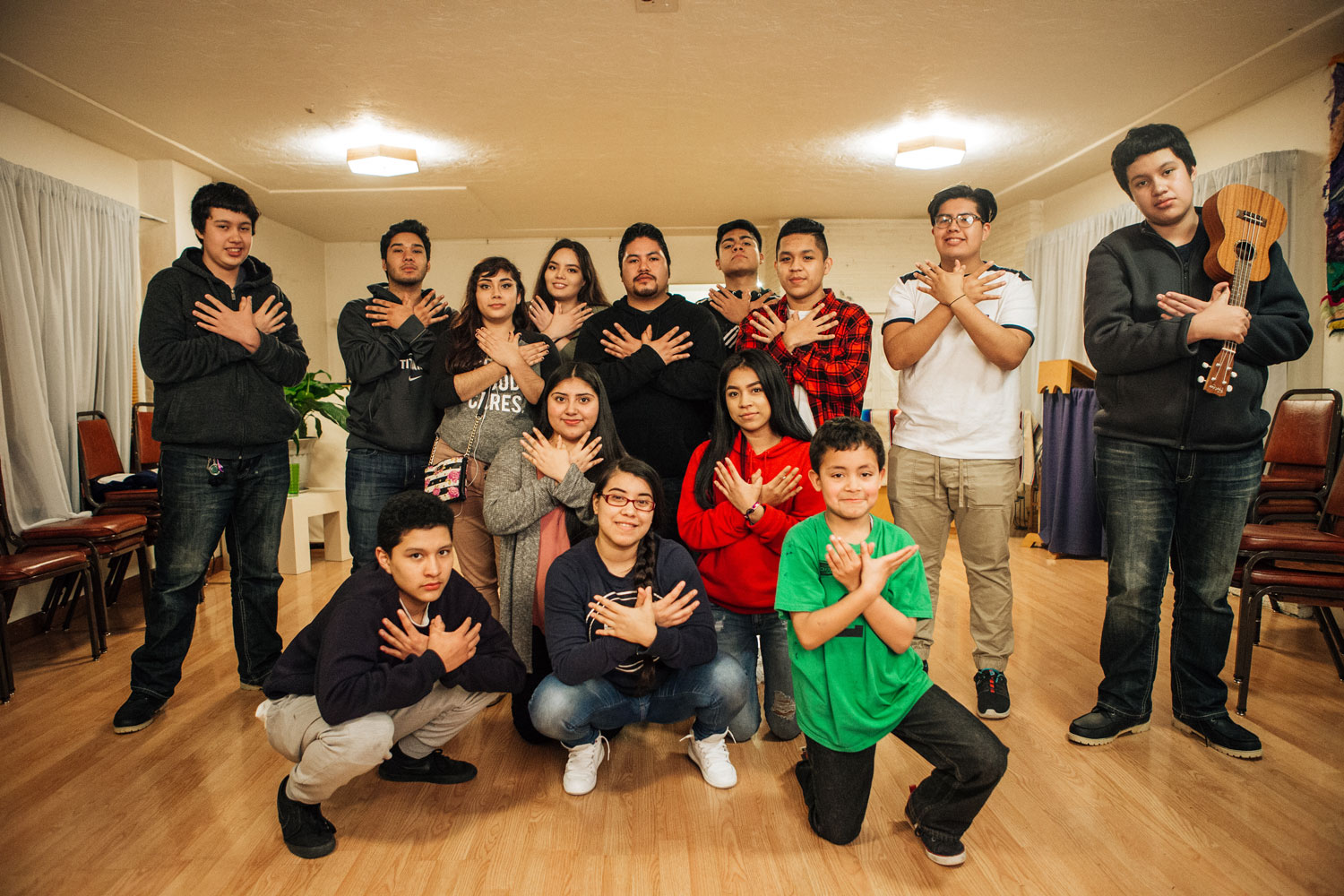
Tadeo was later contacted by students at Springfield, Willamette and Churchill high schools as well as Briggs and Cascade middle schools — and all, he says, were facing similar problems. So he decided to expand the Thurston program to City Wide MEChA to accommodate these students.
“We have a center thanks to the Church of Brethren, which lets us use their facility. Upstairs we have an office as well as a library and a game room,” Tadeo says. “We offer tutoring services, we help them with math, science and history. We also teach classes there. We create a safe space there that feels welcoming — where they can be themselves and express a lot of their issues and concerns.”
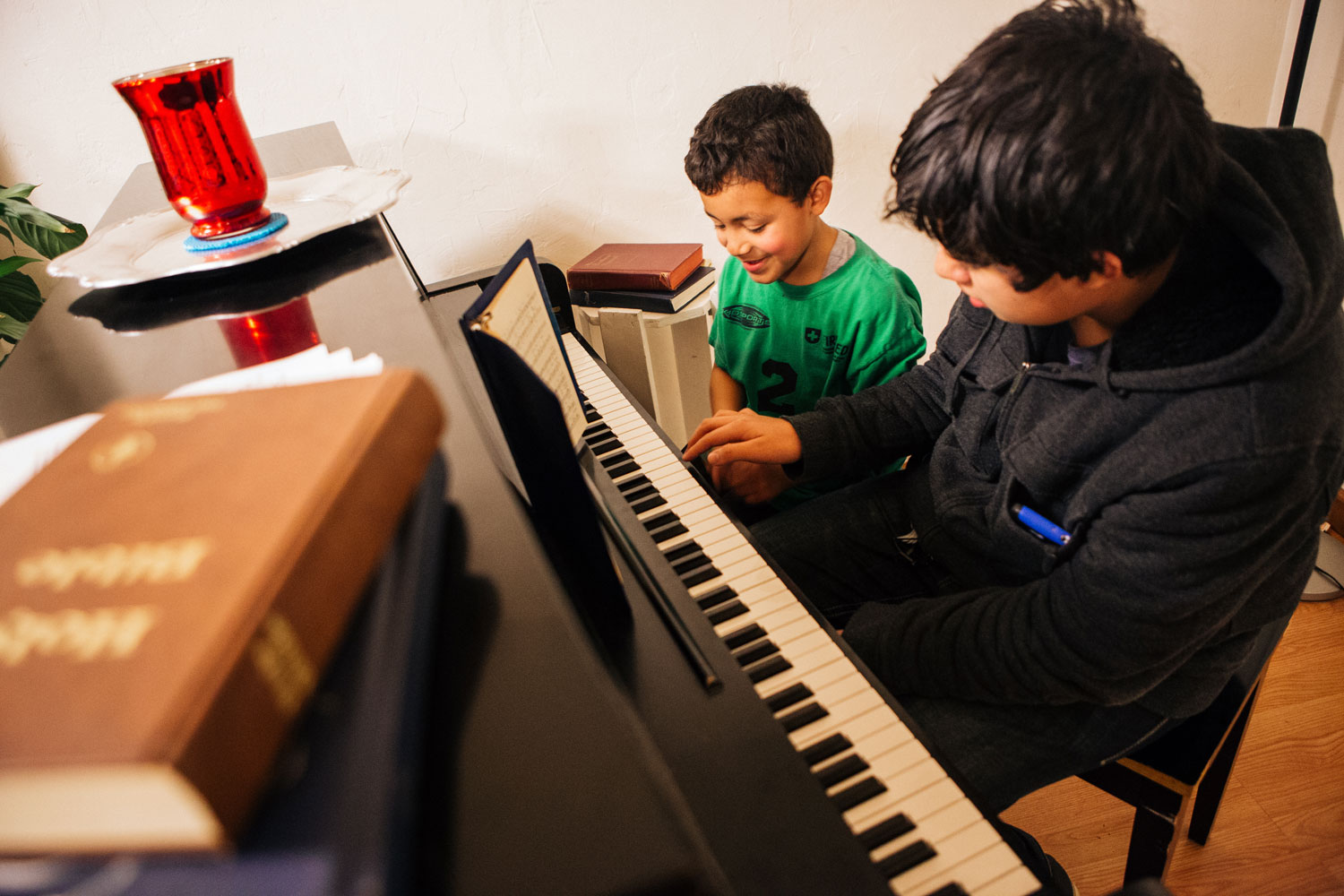
Tadeo may be the perfect fit for this job, because, he says, he has been facing the same issues his entire life.
Tadeo has lived in Springfield since he was three years old and says he has faced problems with racism and his own identity. “We lived in poverty, and for a while we lived in our car.” But once the family was finally able to get an apartment, “this woman heard us speak Spanish and assumed that we were undocumented.”
This was during the immigration raids in the ’90s, “where immigration just came in and started grabbing people,” Tadeo says. “They grabbed my father and he got taken away. So, my mom raised us. Raising three boys on her own and working three jobs, she didn’t really have time for us.”
It was at Guy Lee Elementary that his first name was changed. “My name was taken away,” he says. Instead of Johanis, he was called “Jony.”
“They told me that Johanis wasn’t American, and Jony was going to be my new name,” he remembers. “I asked my teacher, ‘How do you spell Jony?’ She told me to spell it however you can, so I spelled it J-o-n-y.”
He was made fun of for it.
“I remember hating my own skin to a point where I would try to cut the brown off me,” Tadeo continues. “So now I have to live with these scars.” He shows the discolored areas on his forearms caused by the injuries.
Despite his experiences, Tadeo considers himself one of the lucky ones. His two brothers were brilliant kids. One of them got a full ride scholarship to play football for UCLA; the other one, for UO. “One ended up taking his life, and the other one’s incarcerated. There’s always these incidents because we are always trying to find our identity,” Tadeo says.
When you can’t find your own identity, he says, then you look at stereotypes to tell you what your identity is, and then you become that stereotype and perpetuate that very idea.
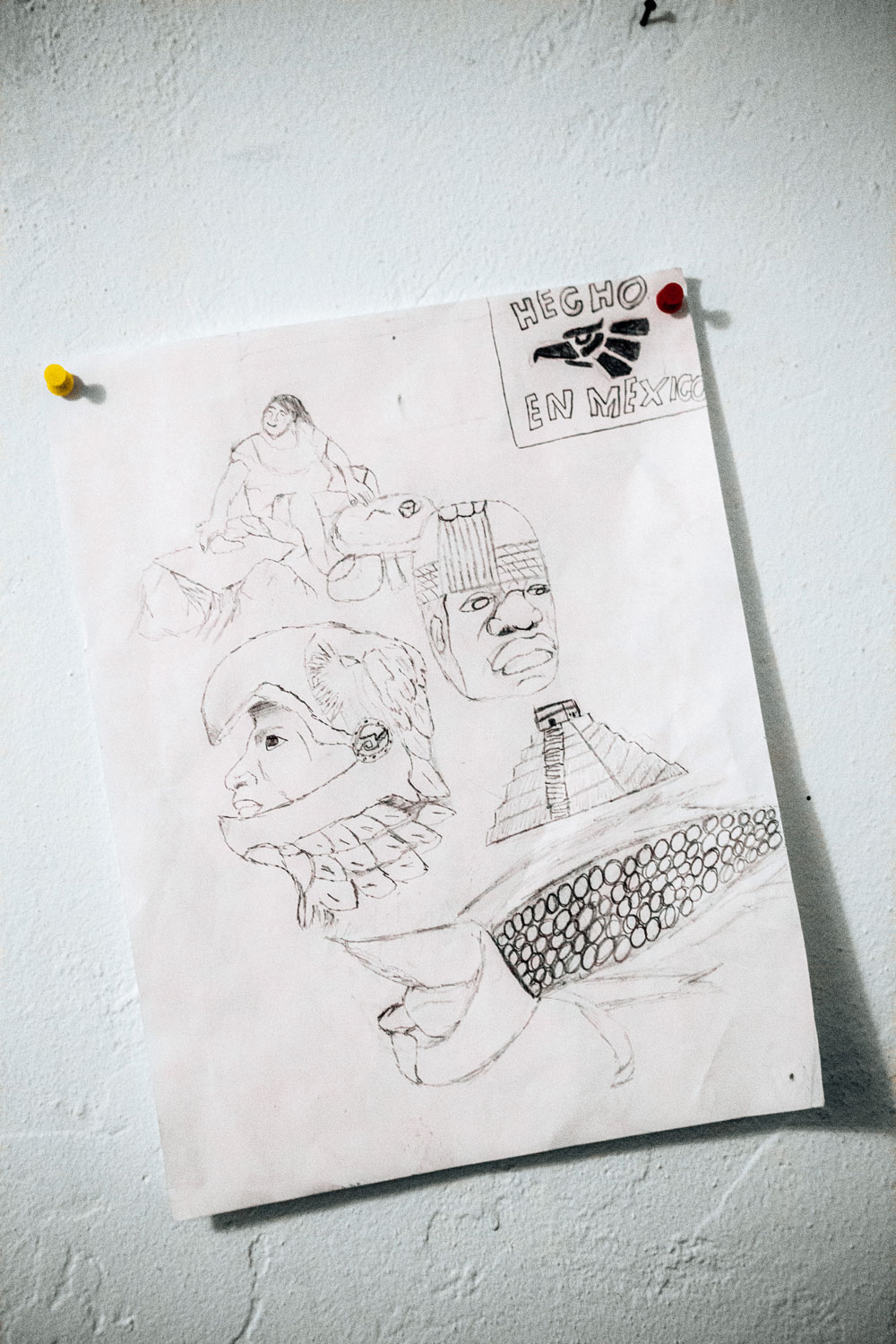
Tadeo attended a summer program called Puertas Abiertas that’s run by Jim Garcia, the Chicano/Latino student program coordinator at LCC. “It was like a seed that he gave me. I didn’t know we were indigenous … I didn’t know we were colonized and that’s why we speak Spanish. All of this was like putting the missing pieces to the puzzle which is who I am.”
He then built up the courage to reclaim the name Johanis: “I was 21 years old. Now I’m 23 and finding out the true meaning — that it means ‘beloved one,’ and that’s why my mom named me that.”
After attending LCC for a few years, Tadeo decided to take a break and became a teaching assistant at Cascade Middle School. He never saw himself as a teacher, but after a while he knew that he wanted to do more for the students. So began CityWide MEChA.
That summer Tadeo used his entire last paycheck from Cascade to self-fund his own summer program. “We didn’t have permission from the University of Oregon or anything. It wasn’t like they knew what was going on, but I had a colleague that gave me a room. That’s all I needed,” Tadeo says. He and his guest speakers spent the summer teaching ethnic studies to the 25 students who attended the program.
He spent two hours each morning personally driving each student to the classroom.
After seeing his work at his summer program, CALC hired Tadeo as a community organizer. Recently, Tadeo was able to connect 15 local Latino-owned businesses and is working with them to set aside money to help Springfield and Eugene’s Latino communities.
Tadeo puts everything he can from his CALC paycheck into his City Wide MEChA program, but he says it’s not enough. The program has the Brethren facility only until June, “and then it gets demolished,” he says. Tadeo hopes a new location can be found.
City Wide MEChA will be doing a podcast, inviting local politicians, business owners and other prominent community members to talk about the issues that their community faces. It’s also hosting a fundraising film screening of “The Golden Dream” 6 pm Friday, Feb. 24 at 1072 Main Street in Springfield. Admission is $5.
“This all started from Thurston students who contacted me who are all powerful young women who wanted to see something different within their school and their community,” Tadeo says.
Find out more about City-Wide MEChA at facebook.com/CityWideMEChA201 or email citywidemecha@gmail.com.