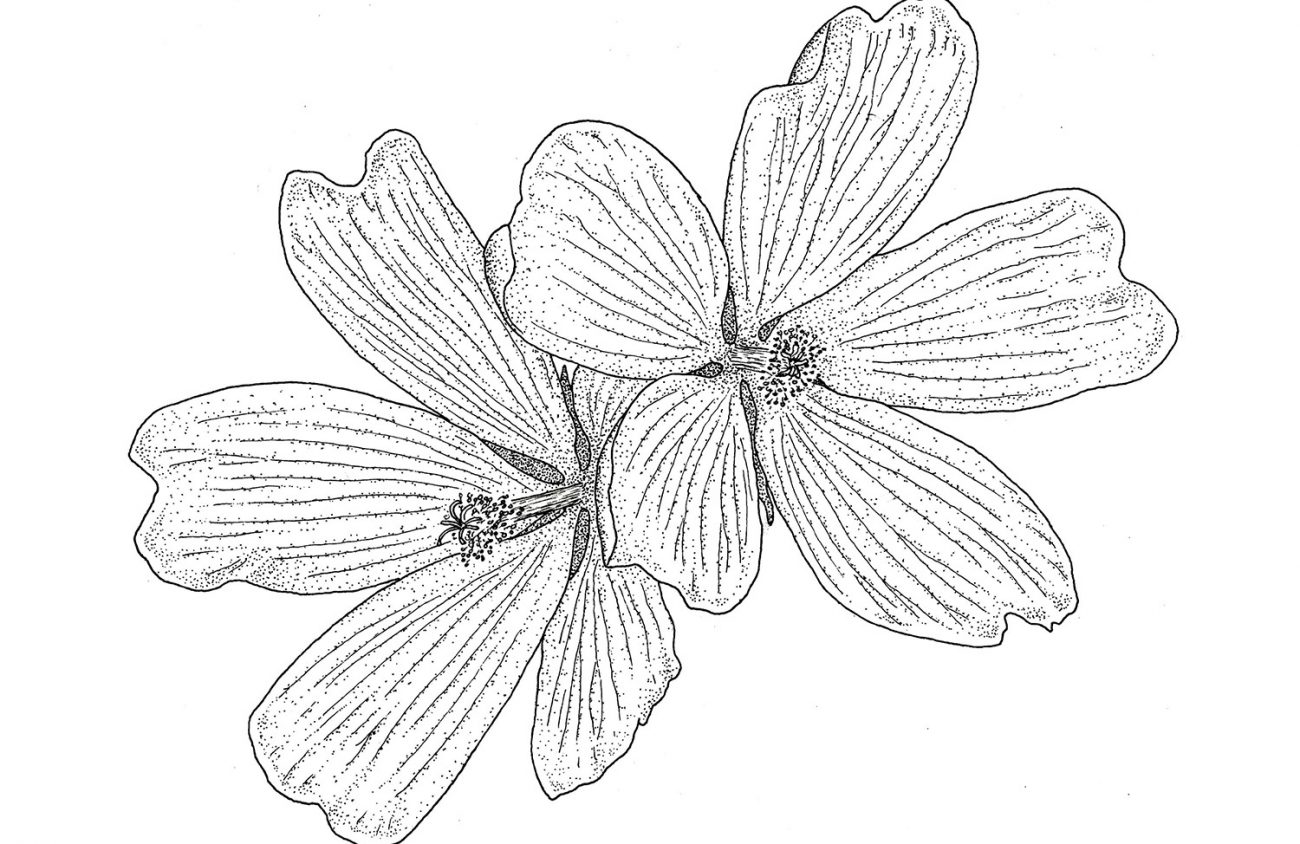
Each solstice brings with it a change of the season, a slowing down in nature’s landscape, while the equinoxes are periods of rapid change. The passage of the sun is the driver, changing day length slowly around a solstice. The seasonal extremes trail the sun’s lead because the oceans change temperature more slowly than the day length changes. Oceans are still warming up after the summer solstice has passed.
With the peak of flowering in the valley coming to a close, flower and butterfly watchers will seek meadows in the mountains. Ridgetop rocky slopes and grassy openings are where the greatest diversity of wildflowers and wildlife are sought. What we see in these places today is different from how the mountain meadows looked a century ago, when huge flocks of sheep and goats were pastured in the high Cascades. In eastern Oregon, many of the great meadows are still recovering a century since over grazing ended.
The greatest loss of grassland ecosystems, however, has taken place in the Willamette Valley. Almost all the upland grasslands have been converted to agriculture with great loss of native flora. Most Willamette Valley grassland preserves are wet prairies with standing water in winter.
Some of the best representations of upland grassland flora are now found on roadsides and the strips of land between fields. Flowering plants that were once abundant are crowded into these linear fragments. The field checker meadow and the endangered peacock larkspur are two species seen in roadside strips and rarely elsewhere.
David Wagner is a botanist who works in Eugene. He teaches moss classes, leads nature walks and makes nature calendars. He can be contacted through his website, fernzenmosses.com.
A Note From the Publisher

Dear Readers,
The last two years have been some of the hardest in Eugene Weekly’s 43 years. There were moments when keeping the paper alive felt uncertain. And yet, here we are — still publishing, still investigating, still showing up every week.
That’s because of you!
Not just because of financial support (though that matters enormously), but because of the emails, notes, conversations, encouragement and ideas you shared along the way. You reminded us why this paper exists and who it’s for.
Listening to readers has always been at the heart of Eugene Weekly. This year, that meant launching our popular weekly Activist Alert column, after many of you told us there was no single, reliable place to find information about rallies, meetings and ways to get involved. You asked. We responded.
We’ve also continued to deepen the coverage that sets Eugene Weekly apart, including our in-depth reporting on local real estate development through Bricks & Mortar — digging into what’s being built, who’s behind it and how those decisions shape our community.
And, of course, we’ve continued to bring you the stories and features many of you depend on: investigations and local government reporting, arts and culture coverage, sudoku and crossword puzzles, Savage Love, and our extensive community events calendar. We feature award-winning stories by University of Oregon student reporters getting real world journalism experience. All free. In print and online.
None of this happens by accident. It happens because readers step up and say: this matters.
As we head into a new year, please consider supporting Eugene Weekly if you’re able. Every dollar helps keep us digging, questioning, celebrating — and yes, occasionally annoying exactly the right people. We consider that a public service.
Thank you for standing with us!

Publisher
Eugene Weekly
P.S. If you’d like to talk about supporting EW, I’d love to hear from you!
jody@eugeneweekly.com
(541) 484-0519
