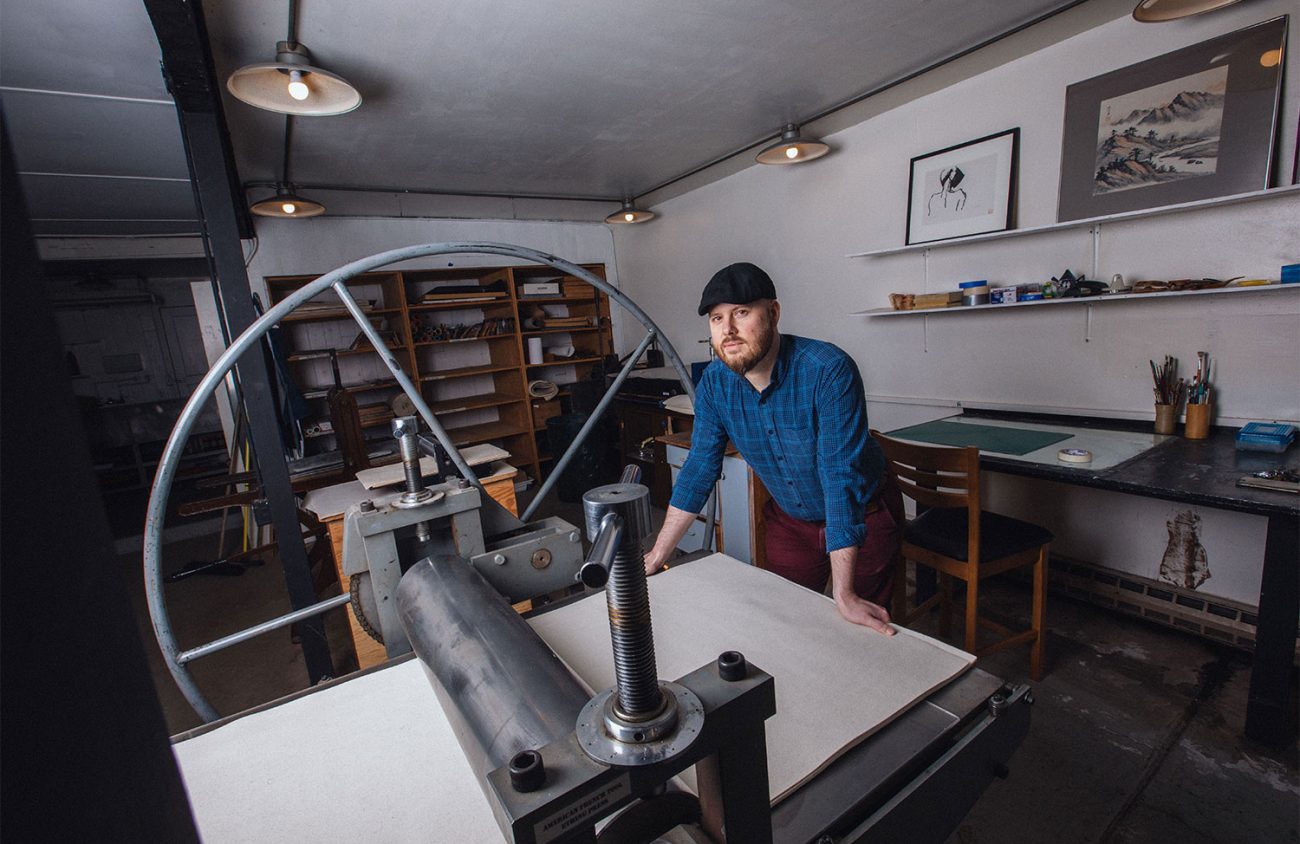
Talk about working your way to the top. Michael Fisher, who took over last year as executive director at Eugene’s Maude Kerns Art Center, started at the community art center a decade ago as an intern.
Now Fisher is the boss, a job he moved into in May 2018, replacing Karen Pavelec, and things are happening fast at Maude.
Since the end of 2017, membership has gone up from about 300 to more than 400 people. The center is in the process of re-opening studio space that had been unused in recent years. The long-closed photo darkroom is back in business and the printmaking studio has been brought back to life.
More cash is coming in. The past year’s winter fundraiser drew more money — $31,000 — than ever before; previous years brought in more like $10,000 to $12,000.
What happened?
Enlarge
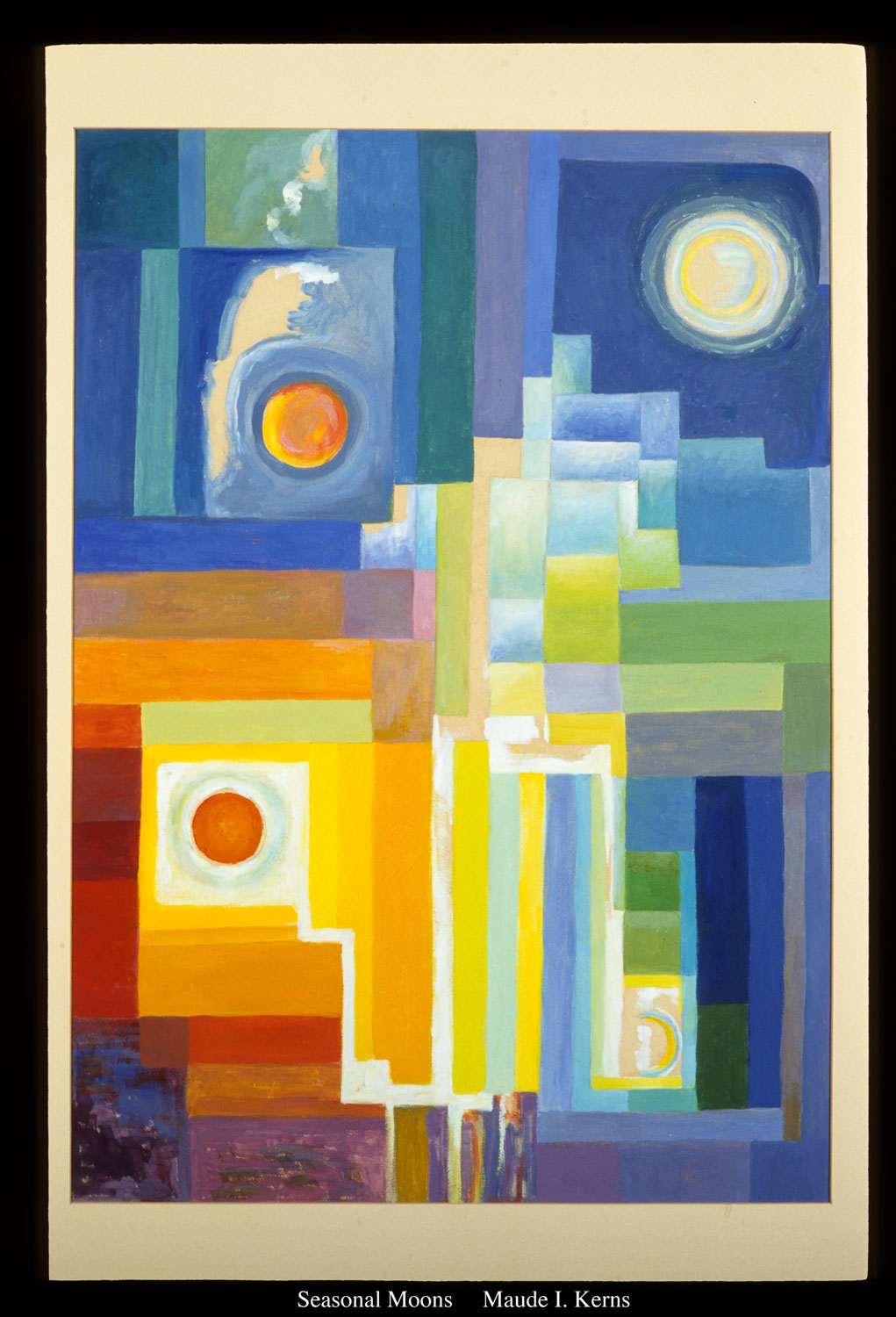
“We actually made an effort,” Fisher says. “We put together an actual fund-raising steering committee, and we actually said, you know, ‘What can you do to help the arts center?’”
Finally, he says, a lot more people are using the center’s services.
“I really want the art center to be a really good resource for local artists,” he says. “A place where they feel like they can come here and they have access to professional development opportunities. They can learn how to frame, they can learn how to mat. They have access to tools to be able to do that. They can learn about how to put together an exhibit history and have opportunities to develop their exhibit history here. And they can really feel that this is a good place to start to build whatever future they see for themselves as an artist.”
Fisher, 37, brings the cheerful, easy-going demeanor of a small-town Midwesterner — he’s from Nebraska — to the job of running a sometimes struggling nonprofit with a $400,000 annual budget.
Part of what Fisher brings to the job is a background not just in visual art but in performance. His bachelor’s degree, from the University of Missouri, Kansas City, is in theater, and when you meet Fisher in person he has the slight sparkle of an actor.
“I had always done visual arts and performing arts at the same time, and it just happened the performing arts were going to pay for my undergraduate education,” he says. “So I was like, ‘OK, that sounds great!’”
He’s also learned a thing or two about business.
College was followed by a job at a New York consulting firm that did corporate training. “I learned this really great skill set of business skills, and I was like, I like this, but I want to bring it back to the arts,” he says.
Love of the arts brought Fisher to the University of Oregon, where he got a master’s degree from the now-defunct Arts and Administration program, with a certificate in nonprofit management.
It was while he was a graduate student at UO that he first worked, in 2008, as an intern at MKAC. The following year he was hired part-time to do office work. In 2010 the center’s exhibits coordinator decided to move to California, and Fisher got the full-time job.
Enlarge
He’s created all the center’s shows since then.
Among the best of them was a 2015 retrospective for Oregon sculptor and folk artist Charles Tatum (1937-2008). “He was the first African American sculpture artist to have his work at the Jordan Schnitzer Museum of Art,” Fisher says.
Another retrospective Fisher brought to the center was a look at the sometimes-whimsical work of Eugene artist Mike Van.
“That was a wonderful experience to be able to show 50 year’s worth of his work,” Fisher says.
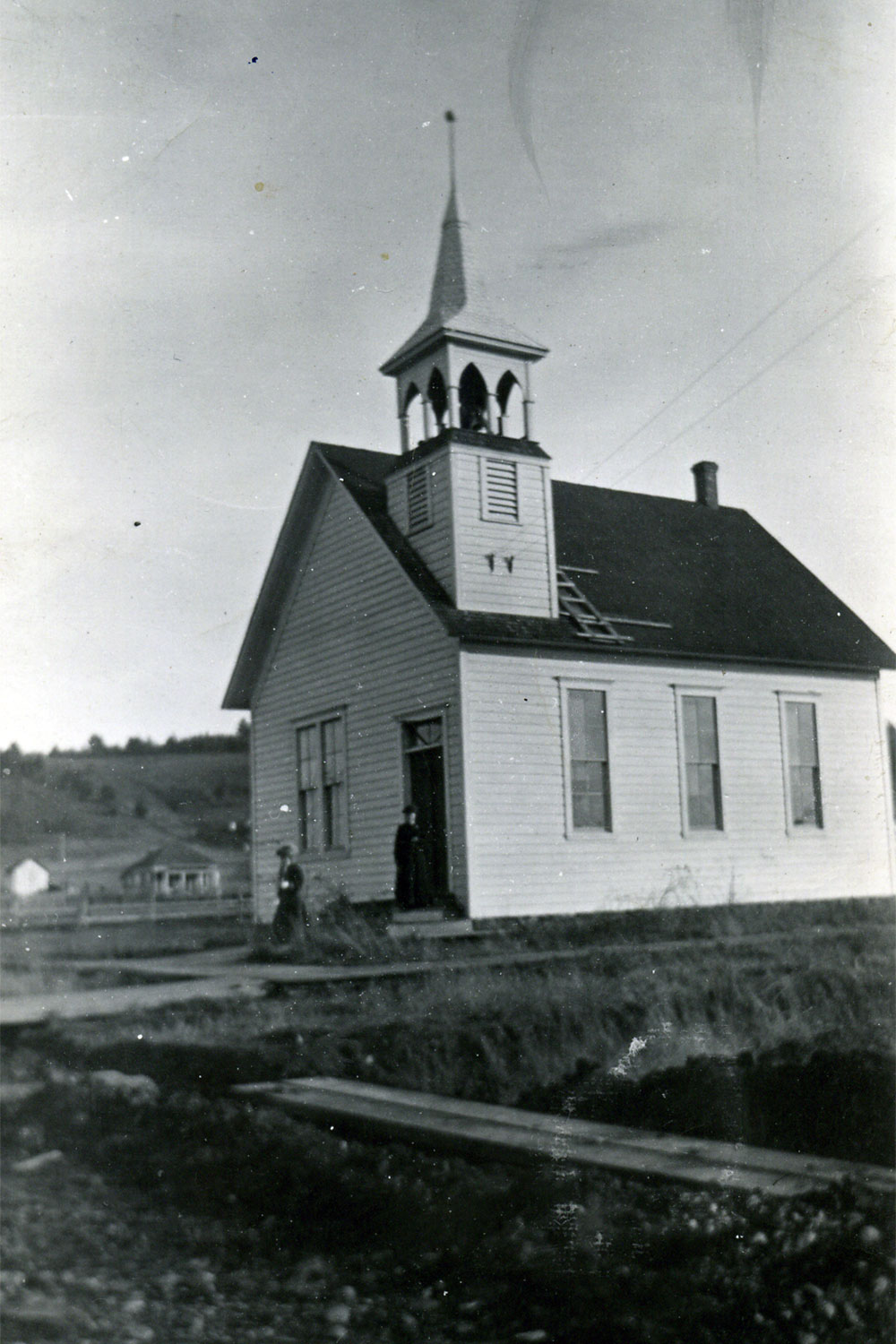
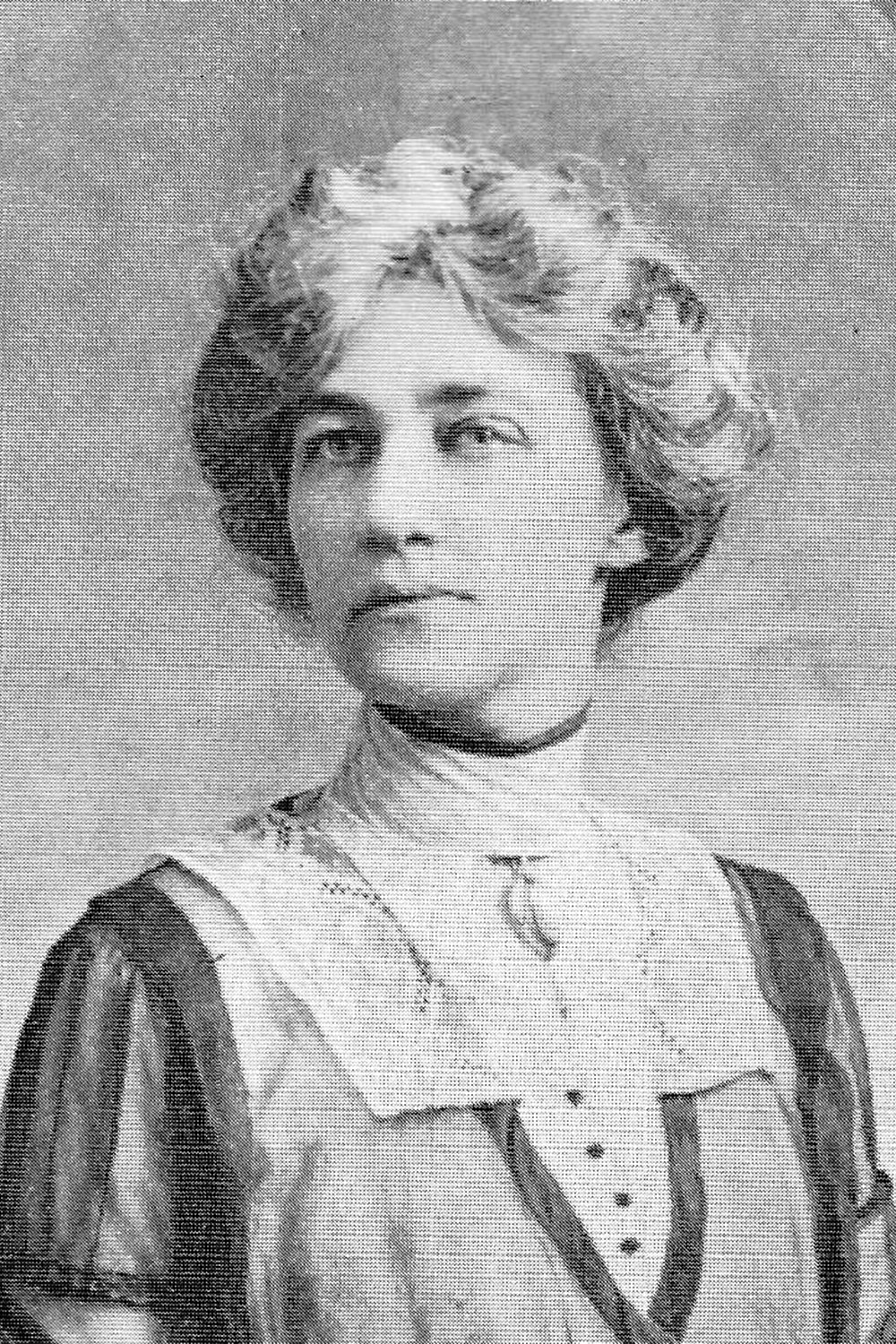
Founded in 1950, the art center occupies an old church building, complete with clapboard siding and a bell tower, at 1910 E. 15th Avenue near the UO campus. It’s named for Eugene artist Maude Irving Kerns, who was among the founding members.
Kerns, who died in 1965, was dedicated to teaching art; she was the first head of the art education program at the UO. As an artist, Kerns was fascinated by the non-objective work of such painters as Wassily Kandinsky; she became known both regionally and nationally for her own non-objective painting, which you can regularly see at the center in shows of work from her estate.
Enlarge
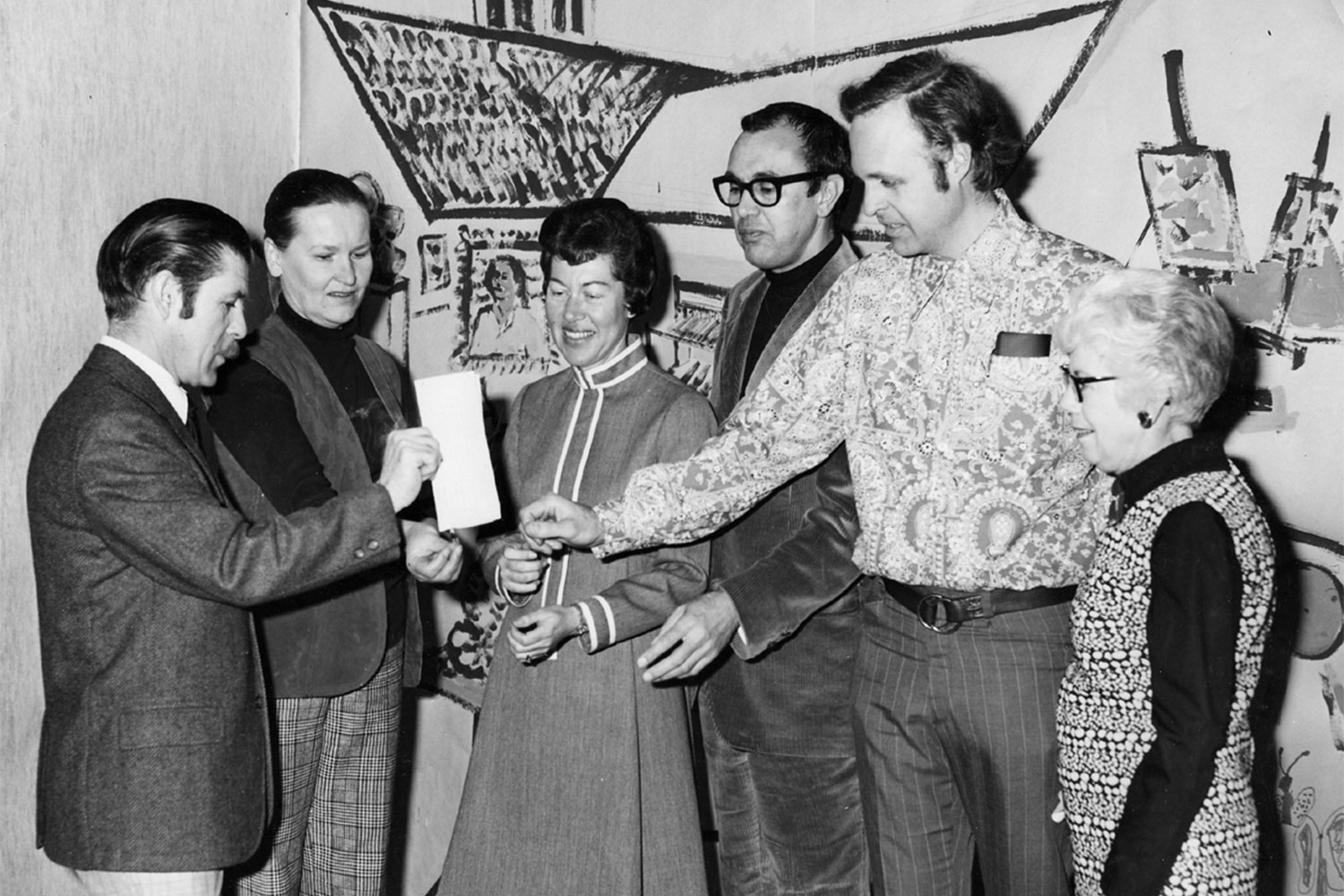
Kerns’ work can also be seen in the Portland Art Museum, the Seattle Art Museum, the Jordan Schnitzer Museum of Art and the Guggenheim Museum in New York, among other collections.
In the 1940s and into the ’50s Kerns worked closely with a group of painters who exhibited at the Museum of Non-Objective Painting, which later became the Guggenheim.
“I am continually fascinated by Maude’s artwork and think that her non-objective paintings are as contemporary today as when she first created them,” Fisher says. “Her work is especially surprising when you consider the time in which it was produced.”
As he looks to the future, Fisher says he has more on his to-do list at Maude. He wants to strengthen fundraising. “We’ve never really had a strong fundraising drive here at the art center outside of Art in the Vineyard,” he says of the center’s annual July festival.
He also wants to expand the boundaries of what constitutes art.
“We developed a new thing for this year, which is a new installation art experience at Art in the Vineyard at Alton Baker Park. So we’re inviting installation artists to come in and create experiences for people when they come to the festival that they actually experience and interact with, and they’re all different.”
Enlarge
The festival will also feature a plein air painting event, so that when people arrive at Alton Baker for the festival they’ll see artists with easels painting outdoors either from the landscape or from models supplied by the center.
Fisher smiles at the thought. “So that’s really fun!”
As he looks Maude Kerns’ place in the larger art world, Fisher sees more work to do making connections. People want to belong, he says.
“They want to be a part of the story. They want to be a part of the experience. They want to feel like that. It’s something that they can, you know, relate to. It’s not just walk in and see something up on the wall, but it’s walk in and you can interact with it.”
What would Maude Kerns think if she were to walk into the art center that bears her name today?
“Maude would probably say, ‘Good! Now what’s next?’” Fisher says. “She seemed to always be looking to the future.”
The center’s next exhibit, Curator’s Choice: Lane Five, opens Friday, April 12, and features work by Weltzin Blix, Margaret Coe, Jon Jay Cruson, Analee Fuentes and Dennis Gould. Curator Craig Spilman will introduce the show at 5:30 pm Friday, April 12, with an opening reception to follow at 6 pm.