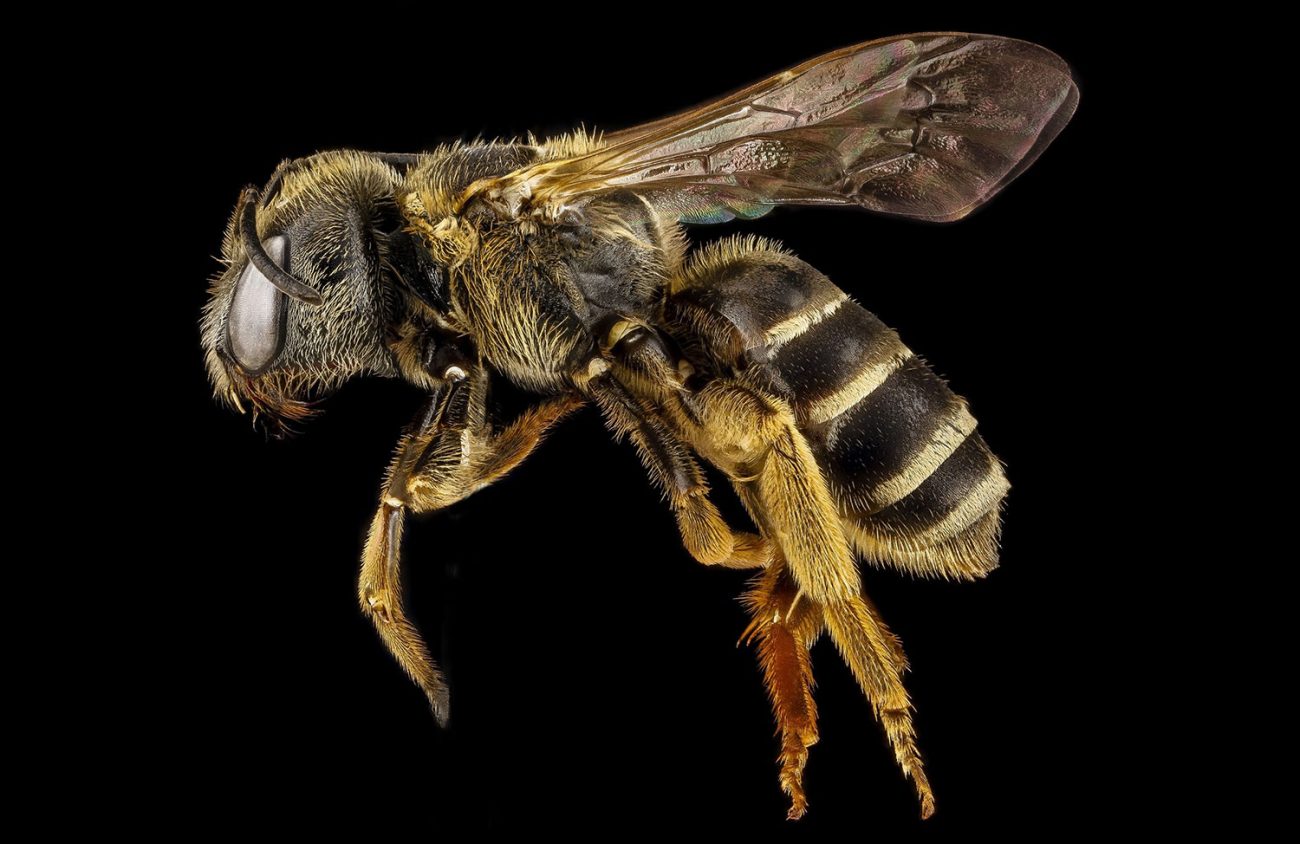
Franklin’s bumblebee may already be extinct. Its presence hasn’t been recorded in 13 years.
But despite the species’ ongoing decline, the rare Oregon bee has never been given protection under the federal Endangered Species Act.
Noah Greenwald, endangered species director with the Center for Biological Diversity, says that over the years the U.S. Fish and Wildlife Service (USFWS) hasn’t met its deadlines when it comes to listing species in need of protection. So the center filed a lawsuit April 17 against the Trump administration and its newly appointed — and controversial — Secretary of the Interior David Bernhardt.
The lawsuit seeks endangered species protection for the bee as well as 23 other animals and plants the group says are in danger of extinction. The list includes another species found in Oregon, and sometimes in the Willamette Valley, the tricolored blackbird.
Greenwald says Franklin’s bumblebee hasn’t been seen since 2006. According to the Oregon Department of Fish and Wildlife’s Oregon Conservation Strategy, the bee needs the nectar and pollen of flowering plants, including lupine, California poppy, horsemint and pennyroyal. The bee is primarily found in a very narrow range of southern Oregon and northern California.
The International Union for Conservation of Nature put the bee on the “Red List of Threatened Species” and classified it as “critically endangered” and in “imminent danger of extinction” in 2010. In 2011 Franklin’s bumblebee moved to the ESA’s 12-month review list, Greenwald says.
A 2016 USFWS work plan called for decisions on the bee and the 23 species in the lawsuit to be made by the end of 2018. “But Bernhardt and the Trump administration are preventing the agency from doing its job of protecting at-risk species,” the Center for Biological Diversity says in a press release.
Greenwald says that despite the fact it might already be too late for Franklin’s bumblebee, “that is no reason to wait.” Other Oregon species, such as the Humboldt marten, have been thought to be extinct and then resurfaced. Greenwald says that since the ESA was enacted in 1979, 47 species have gone extinct waiting to be listed.
“Franklin’s bumblebee is sadly a candidate to join that list,” he says. Federal ESA protections include recovery plans, the ability to purchase habitat and protection from harm from federal activities.
The reason for delays, Greenwald says, include a lack of funding from Congress for the listing program, USFWS not having an efficient program for listing species, and the fact that some species generate a lot of opposition. But, he says, Republican administrations are generally slower to list species, and under Trump only 16 species have gained ESA protections.
Greenwald says that back when Bernhardt was the Interior lawyer in the George W. Bush administration, only 62 species were put on the endangered list in eight years. Under Democrat Bill Clinton an average of 65 species a year were listed.
Brian Hires of the Office of Public Affairs for USFWS says the agency is unable to comment on pending litigation. He does say that there is a “12-month finding pending for the Franklin’s bumblebee.” He adds that these 12-month findings are generally accompanied with “not warranted” findings to list under the ESA, or proposals to list.
“These actions are based on and include full details of the best available science and information” and are “used to determine a species’ current and projected future status,” Hires says.
Greenwald says that because of climate change and the growing human footprint, more and more species need protection. “We need to do more and more for conservation — the extinction crisis is accelerating.”
Support local bees: From 11 am to 11 pm Saturday, April 27, Viking Braggot is donating $1 per pint sold at its Southtowne Pub to Beyond Toxics’ Pollinator Protection Program for the Fourth Annual Pints for Pollinators benefit. Friday, April 26 to Saturday, April 27, is GloryBee’s 45th Annual Bee Weekend. Go to GloryBee.com for more on live demos, honey sampling and more.