There’s a debate about the truth behind being “nice” and being “kind.” Nice is polite, a gesture that is for the most part an empty something to get through your day without disruption. Kindness comes from a place of compassion or empathy — a thought of togetherness.
Nice white people have good intentions. They often talk about how they “tried,” and they “believe,” and they “felt terrible” and they “can’t imagine” and how it “must be awful” to go through the world experiencing racism. How, if racism would stop existing, somehow the world would be a better place … it would be nice.
Here is the stretch; it’s that impact. What does it take to understand your relationship to racism? Yes, we all have a relationship to racism. However white people’s relationship to racism seems to carry on with some sort of niceness, a disconnect from systemic racism and their benefit from it.
How can you anticipate impact? In order to do so, at the very least would require kindness. It takes a reflection of your own experience and your own disposition when faced with adversity. Keep in mind that adversity is the closest white people get to the discomfort BIPOC experiences daily, even while enduring “white niceness.”
The relationship white people have to the perpetuation of white supremacist culture has to be examined in a truth that feels unkind.
Those who are privileged can choose niceness and default to nonconfrontation to maintain balance within themselves, a balance that is comfortable and content. It does nothing for anyone else. The impact of the spaces white people create in niceness is devastating for their BIPOC counterparts. They are operating out of self preservation, and not out of clarity in their impact. It is intrinsically unkind.
The position of your average “non racist” white person is one that battles with guilt around facing accountability to ongoing ignorance to their own racism once the person discovers how tightly they are holding onto white supremacist culture. It would be kind to stay in the moment of fragility. It is kind to lean into the narrative that does not center the benefits of whiteness.
Kindness is facing the truth of white supremacy and personally deconstructing the fact that it is a lie. It is perpetuated by the willingness to be nice and ignore it. Discard it as over there, those people, or within the system, they have no power to change. Even with full awareness the system works to benefit white people — perhaps not seeing themselves as those people. It is nice to avoid confrontation, even if the result in the confrontation is with yourself, and that confrontation could ultimately be introspective healing, along with others.
Holding onto niceness is a disguise for flying under the radar of self conception. Facing your personal relationship to racism and how you, yourself, unconsciously hold onto the culture of urgency and what that means for anyone who does not hold the same privilege as you, and is required to function in the same spaces as whiteness, in the name of “equity.”
To create a reality of inclusion within our lifetime, it requires internal work by white people to explore the relationship to the utilization of white niceness as a tool against self awareness and as a barrier to the ability to move into the work of facing racism and deconstructing it.
Ultimately, choose kindness.
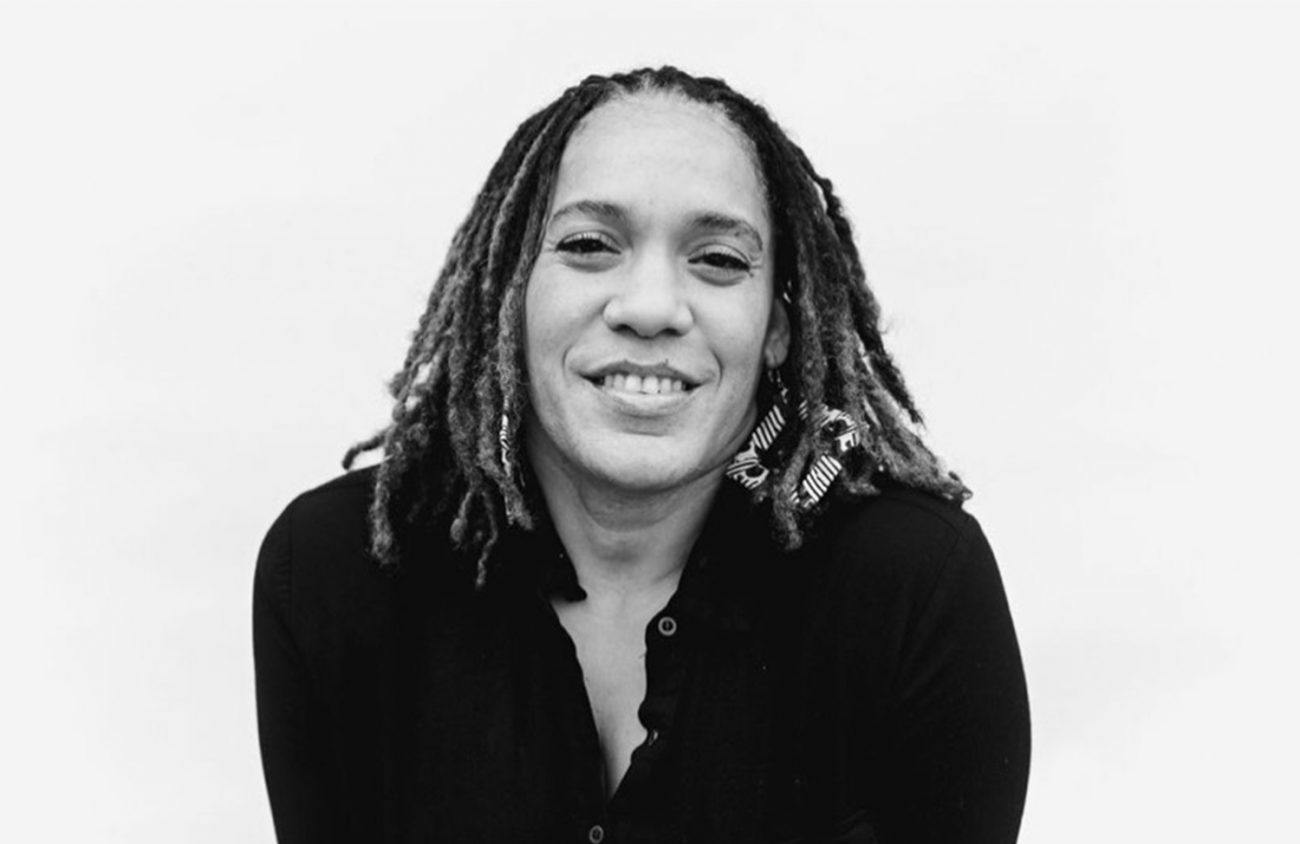
Ayisha Elliott’s podcast Black Girl From Eugene is raw and uncensored monologues and conversations about living while Black in the PNW. Listen locally at 11 am Sundays on FB Live; simulcast on KEPW 97.3 FM. It can also be found on all major podcasting platforms.