The entertainment industry’s current predicament could be symbolized by a half glass of water.
Planning and preparing amid a minefield of COVID-19 regulation changes and risk levels is frustrating and stressful, but bringing art back to audiences after so much time away can be joyful and uplifting.
Many audience members are ecstatic to return to auditoriums, but some patrons continue to avoid performance halls for the time being. Some directors express the disappointment of scrapping performance plans last-minute, while also crediting the ways in which the pandemic has strengthened the resolve and nimbleness of their organizations, characteristics that will outlive the virus.
“It’s not been easy. But I think you have a choice,” says Fred Crafts, executive director of Eugene theater company Radio Redux. “You can look at the glass half empty or half full. And I want to look at it as half full.”
The Hult Center for Performing Arts is doing what it can to keep that glass from tipping over. As of Sept. 1, the Hult requires patrons to show proof of vaccination or a negative COVID-19 test administered within 48 hours of a performance. Rich Hobby, director of marketing for the Hult, says reactions to the change have been predominantly positive, partially because many audience members understand the financial precarity of performing arts right now.
“The ramifications of another shutdown for the entertainment industry aren’t even fathomable at this point,” Hobby says. “We have to find a way forward, and the way forward right now is having a vaccine policy and testing policy.”
On Sept. 23, the Hult is welcoming back the Eugene Symphony, and on Sept. 24-26, Radio Redux. Both groups are putting on their first live indoor performances since pre-pandemic times.
Eugene Symphony’s program will include Libby Larsen’s “Deep Summer Music,” Florence Price’s Piano Concerto, played by pianist Michelle Cann, and Sergei Rachmaninov’s “Symphonic Dances,” featuring a solo from saxophonist Idit Shner.
The symphony put on outdoor concerts earlier in the summer, and Eugene Symphony’s associate executive director Lindsey McCarthy says the orchestra’s enthusiasm to perform again was “palpable.”
“I think that same energy and joy of being together again with their colleagues who they haven’t been able to perform alongside in months will be something that the audience can really sense,” McCarthy says.
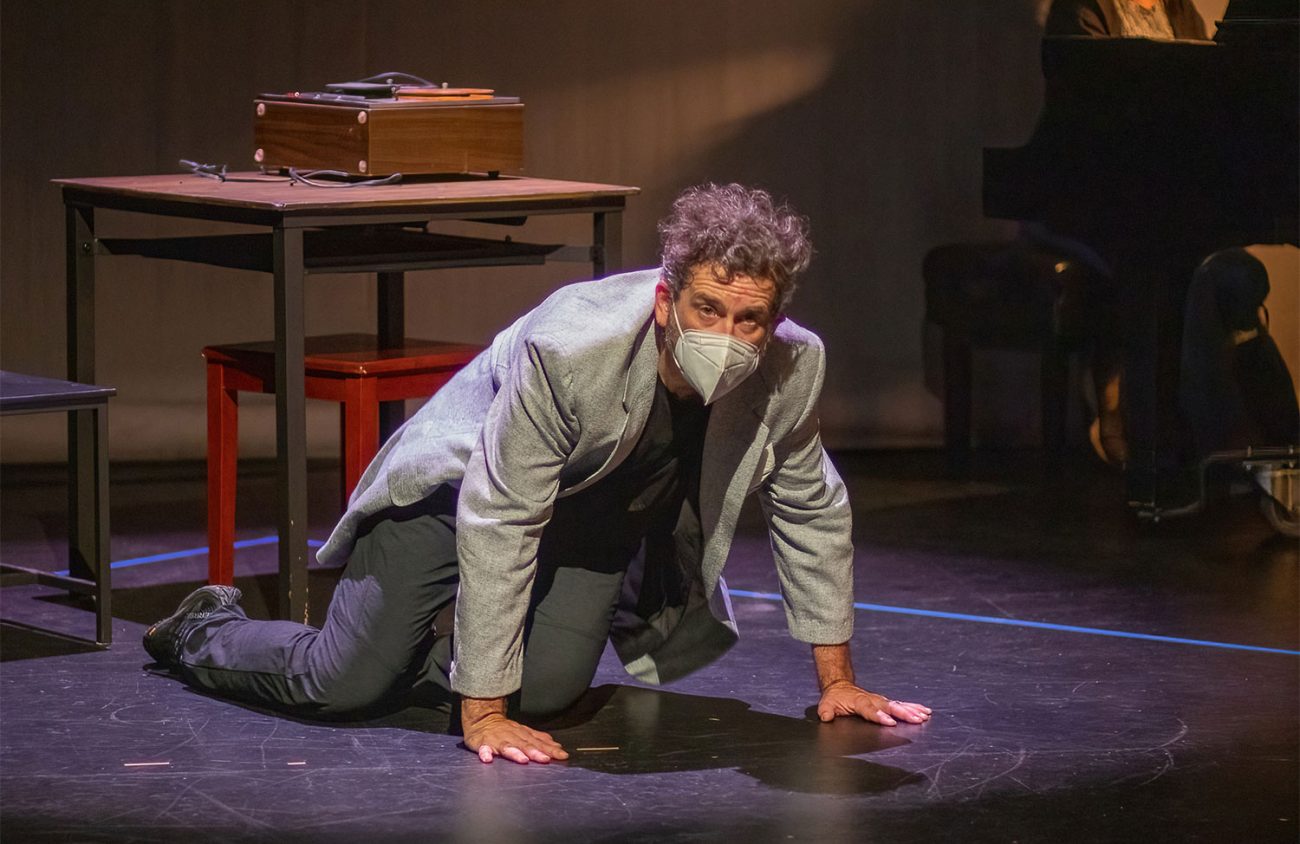
The other group set to reprise their time at the Hult, Radio Redux, plans to perform The Burns and Allen Show, a nod to comedy team George Burns and Gracie Allen. But Crafts says that if a COVID-19 related wrench is thrown in the gears and the audience or performers’ safety comes into question, he is willing to pivot, as he has done many times in the last 18 months.
Actors Cabaret of Eugene and Oregon Contemporary Theatre have already done so. Actors Cabaret’s premiere of Forbidden Broadway is moving online, says co-founder Jim Roberts, as the small performance space does not feel safe just yet, and OCT is delaying its reopening to October or November.
The John G. Shedd Institute for the Arts, however, has a busy season lined up, all while following state requirements. On Sept. 29, American singer Ruthie Foster will perform what The Shedd website calls “her combustible blend of soul, blues, rock, folk and gospel.”
Another vocal performance to look forward to is Eugene Opera’s Lucy, the story of a psychologist and his adopted chimpanzee, Sept. 24 and 26 at the Wildish Theater. Audience members must be fully vaccinated or show proof of a negative PCR COVID test.
The opera will be preceded by a panel discussion at the Museum of Natural and Cultural History on the University of Oregon campus Sept. 23. The panel is free, but an RSVP to mnchticketing@uoregon.edu or 541-346-3024 is necessary to attend.
Erika Rauer, executive director of the Eugene Opera, notes that operas typically take a year, if not two, to plan out. The fluctuation of the current situation is not conducive to putting on a show of any kind, especially those that require lots of planning. McCarthy says she’s lost count of the number of times the symphony has revised messaging to their subscribers because something has changed in the matter of a day.
But their effort is not wasted. Those comfortable at live performances have made that clear, time and time again.
“I’ve heard an audience of 50 clap louder than an audience of 300,” Hobby says. “Just because they are that thankful.”