It is a madly accelerating techno-world, one of endless interruption. So-called social media have clearly made social existence worse.
Popular books and articles treat online immersion as a threat or an affliction. Outsmart Your Smartphone, by Tchiki Davis (2018); Overcoming Internet Addiction for Dummies, by David Greenfield (2020); “I Gave up my Phone for 30 Days to Tackle My Screen Addiction — and it Changed My Life,” by anon. (2012), for example.
It’s instructive that the designers and purveyors of social media are very likely to keep their own kids away from it. Apt to send them to Waldorf schools, where electronics are banned!
“Detox” programs and camps proliferate, especially in summer. The negative and addictive effects of social media could hardly be more widely known, as per countless studies and reports.
In the rushed technosphere, do folks daydream anymore? Some of us still write letters, but they’ve been pretty much replaced by tweets, “likes,” and the rest of fast-food-type “communication.” Even though we know that outside social media, people have more time and enjoy better mental/emotional health.
“The Machine Stops” is an E.M. Forster story written in 1909. Forster envisioned people averse to human interaction and living in separate underground pods. They communicate electronically, controlled by a network called the Machine — until it begins to fall apart.
Jaron Lanier, who, ironically, brought us virtual reality, finds hope in the storied collapse of the Machine as he tries to imagine a reformed model for social media. This could somehow be realized via a big changeover, called for in his 2018 book, Ten Arguments for Deleting Your Social Media Accounts Right Now. Social media needs a makeover because, after all, “We can’t afford to ditch it,” he asserts. We can’t afford not to try to fix it, “because otherwise we’ll eventually have to gut a whole universe of digital technology.”
A whole universe that is carrying us further and further into the isolated, unhealthy, deskilled, surveilled, alienated dimensions of technology. Lanier is desperate to salvage this universe, but my hope is that it will collapse like the Machine in Forster’s story. It is really up to us to decide what needs to go.
Always wired, ever more so? Or… ?
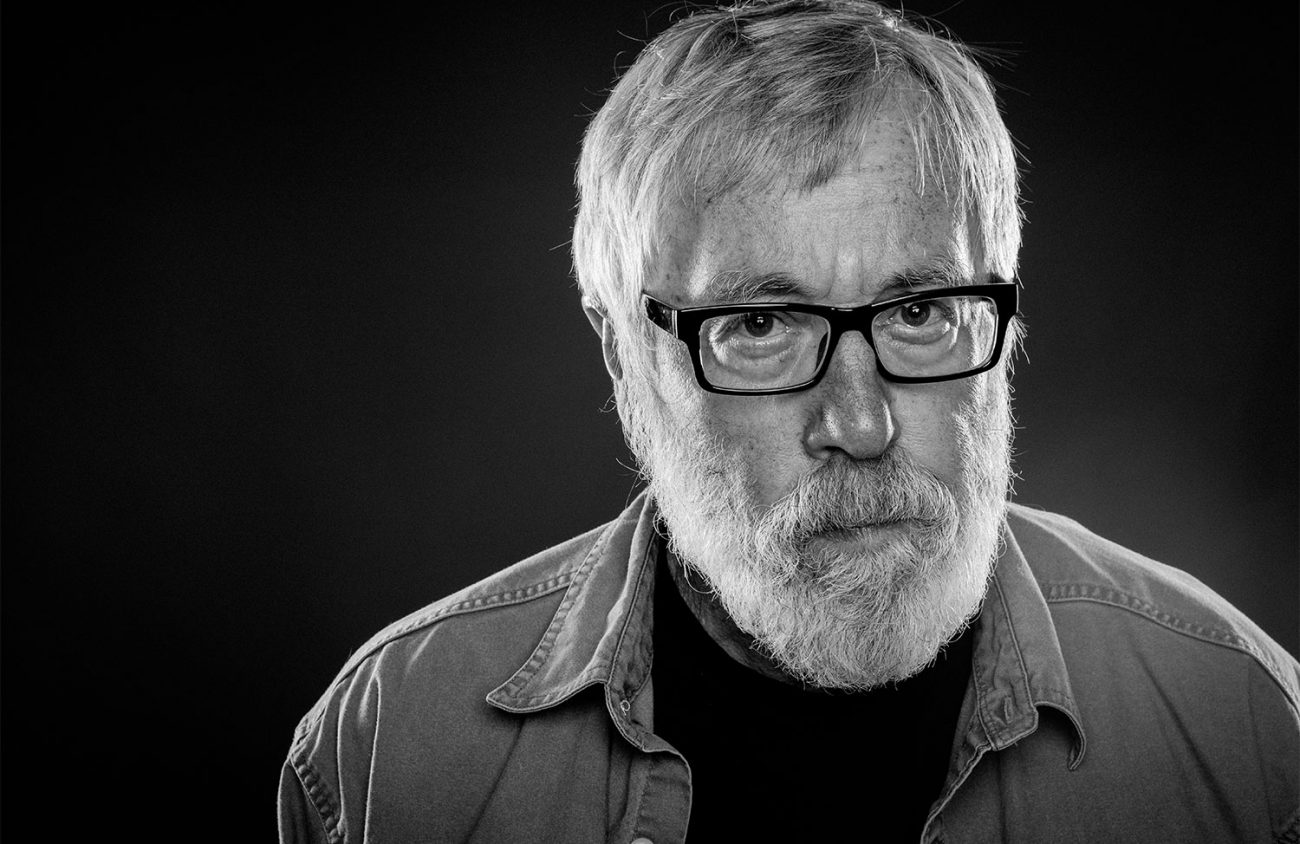
John Zerzan is a local anarchist writer whose books include Elements of Refusal and Future Primitive. You can listen live to his “AnarchyRadio” at 7 pm Tuesdays on KWVA 88.1 FM or via audio streaming.