Language is heavily symbolic. It is not only words, but facial and bodily expressions, energy, boundaries and silences. The meanings are contextual, cultural and latent with history, which is why, for many reasons, language means so much.
What about symbols? They signal and provide guidance and information to only those introduced and trained to recognize them. Symbols indicate an understanding that also holds history, context, meaning and usually some sort of pride attached to it. When you see them, you are informed, you are linked, and you are all of a sudden “clued-in.”
What does it mean for a person surrounded by language and symbols that reflect a history of violence, isolation and pain?
When I write I realize that I always think of the rebuttal that comes undoubtedly from a fragile defensive space of white folx and white-adjacent folx. So, with that in mind, living within the U.S. as a Black woman is to constantly and consistently redefine the violence that reverberates in these symbols and language that are now (arguably) considered patriotic.
When you see the American flag, what do you feel? Is it clear, or is it complicated?
The names of buildings and streets, hidden origins appropriated and sold back to us in ways that degrade our existence by asking permission for what was already ours. See, as we grew up, and those of us who had the protection of Black elders, community and family, we were told what was true about our history. Growing up knowing two stories: one that is true and one that is comfortable for the privileged people we had to endure. We also grew up knowing which story we would have to pretend to be true.
Privileged people are ignorant to what we know. They are ignorant of the weight we carry. This weight gets passed down and so does the ignorance of the dominant culture. This ignorance is protected by the half truths of their definitions. This unfortunate dance continues.
Since the events of 2020 led us to a global awakening the weight is no longer tolerable, and entertaining this ignorance is no longer a viable choice. There is only tension and choices to be made. The beautiful thing about an awakening is there is no going back. The scary part is, no one knows what it looks like to truly move forward.
However, for Black people, the dominant culture made sure Black and Brown people would always be familiar with fear and uncertainty. Reminded daily — not only with relics of old language, symbols and practices that are protected by comfortable ignorance, but also by casual defiance to change. Passive statements of solidarity with no change to management are made: The “It breaks my heart,” and ”What can we do, it’s systemic?” Meanwhile, what changes have you insisted upon in a space you’re currently comfortable in?
Here we are again; it’s up to the dominant culture to face what it has created. Please do not believe you are not part of the problem. You most certainly are, and the casual bystanding is how we are still here. This is not an intellectual problem.
Black people not only know the answer, they are the answer. Your discomfort with the language and symbols we understand and persist in changing, the symbols that are stifling the dominant culture’s growth, is more indication of performative change, not tangible movement.
When you say it is systemic, do you understand that the system is you and those adjacent to you? Your CEOs, your physicians, your principals, your coaches — what do they do when Black and Brown people aren’t there, and what are they doing to ensure the Black and Brown people who are there are safe?
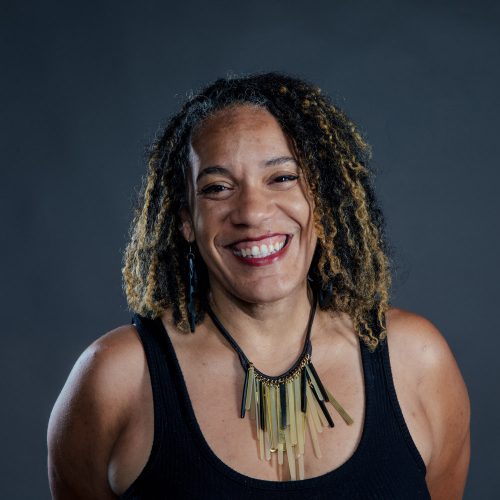
Ayisha Elliott’s podcast Black Girl From Eugene is raw and uncensored monologues and conversations about living while Black in the PNW. Listen locally at 11 am Sundays on FB Live; simulcast on KEPW 97.3 FM. Find it on all major podcasting platforms. You can support BGFE at Patreon.com/Blackgirlfromeugene_1.