On Oct. 4, Eugene’s beloved onigiri-Western restaurant and bar Izakaya Meiji announced on Instagram that it was closing its doors for good. Hundreds of hangry people flooded the comments section of the post, grieving the closure, blaming each other and demanding an answer as to how a restaurant with a consistent waitlist every Friday night could close?
No more than 24 hours later, Meiji went back on Instagram to reassure the general public that the closure could be better described as a rebrand and urged Meiji fans to look out for its new project centered around poultry, Junglefowl.
A majority of the formerly hangry Instagram commentators let out a sigh of relief that this wasn’t so much a goodbye as a makeover.
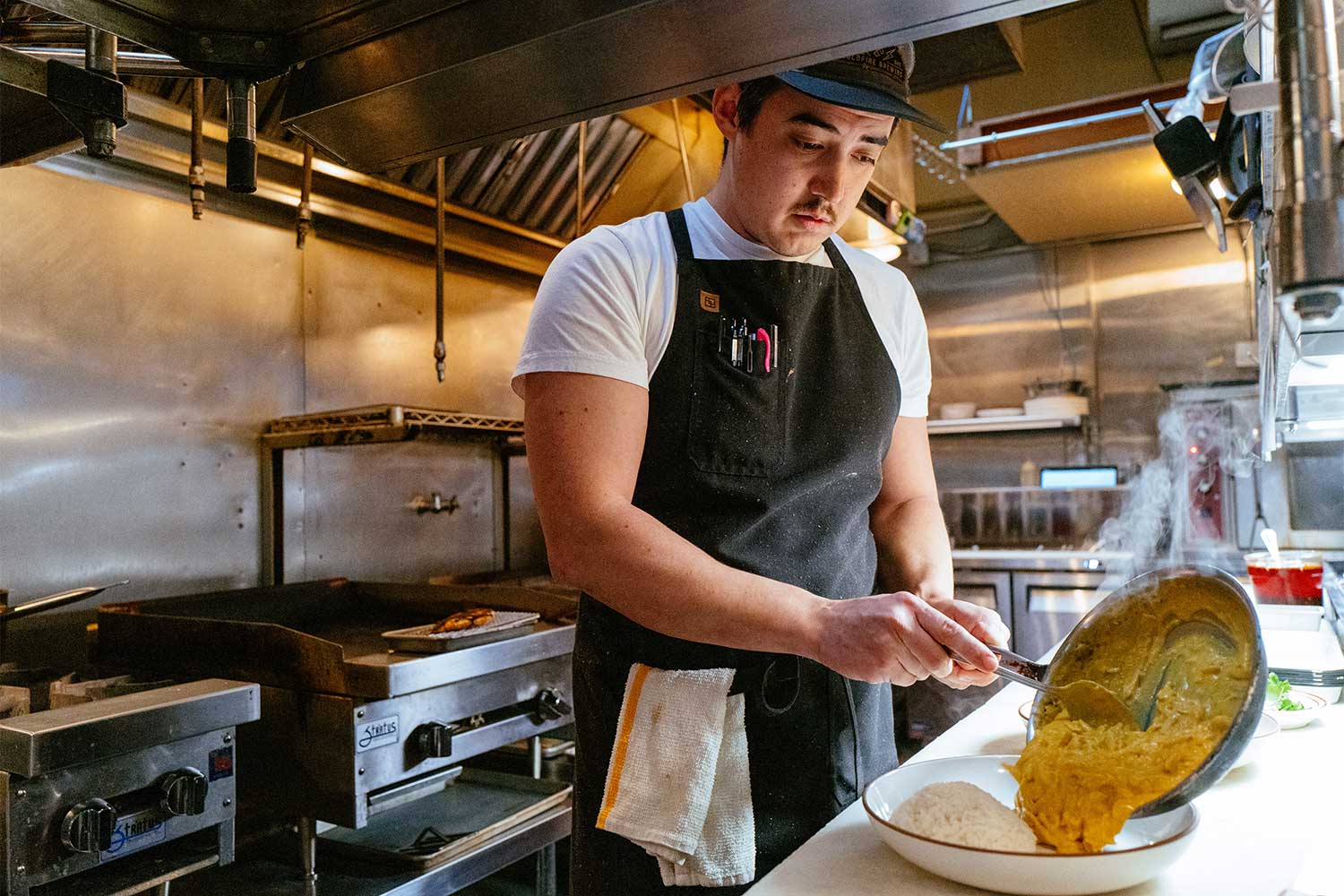
Head chef and manager Alex Dakers says that after the pandemic, dining culture — for better or for worse — changed. “People were eating out less frequently and drinking a lot less,” Daker says. “Because of the way dining culture changed, combined with all the pandemic changes, it just felt better to honor its legacy by cutting it right there and starting something fresh to match the new reality of dining.”
Dakers and his team gave themselves 10 days to close Meiji and open Junglefowl, which he says can only be described as “hectic.”
Fortunately for Junglefowl, this wasn’t Dakers’ first rodeo opening a restaurant. Since starting his career as a chef when he was 18, Dakers has been a part of countless restaurant openings, including Tailored Coffee, Yabai Nikkei and Oregon Electric Station, to name a few. Dakers says, “When you open a restaurant you always have an idea of what you’re doing, and then you realize what you’re really doing.”
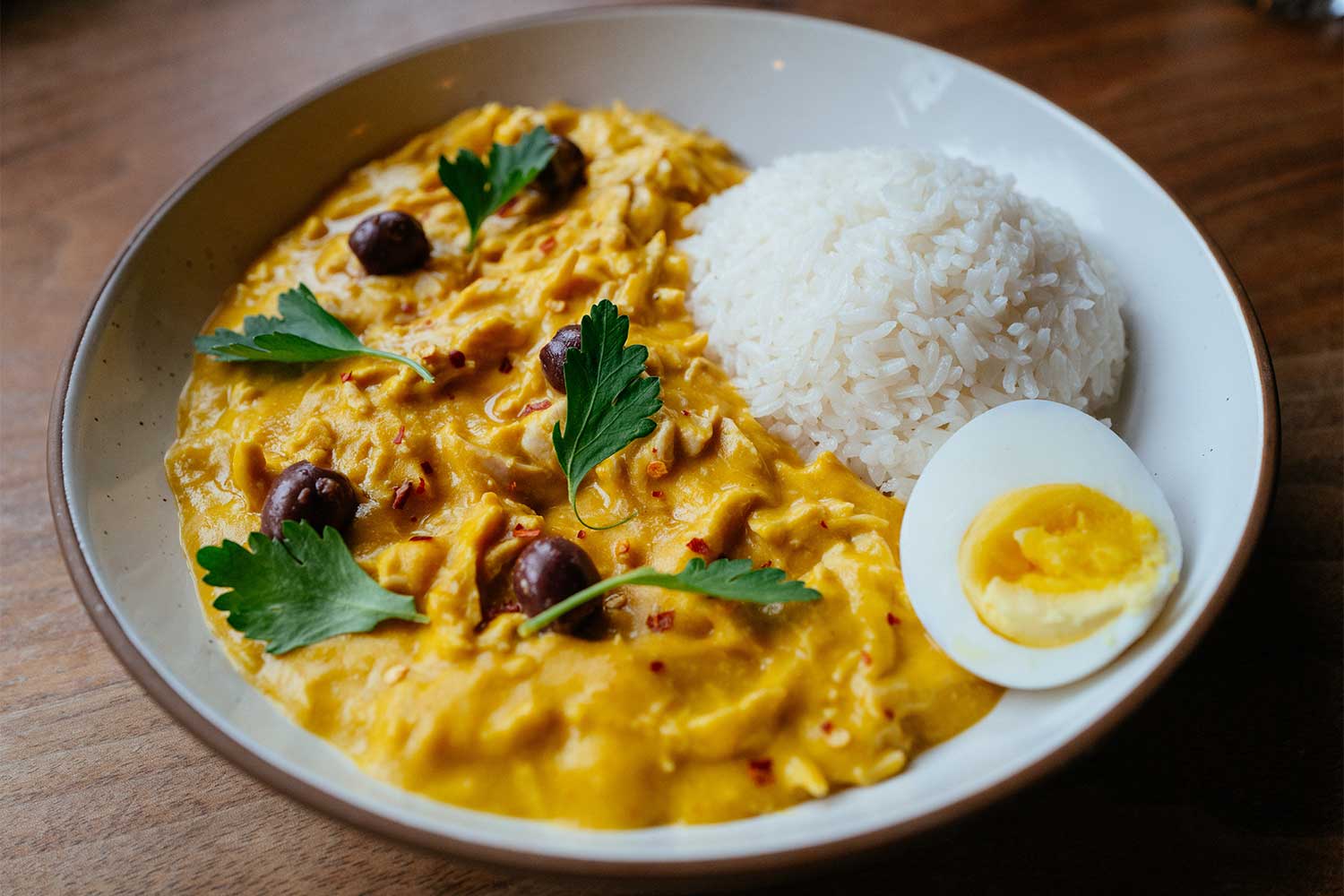
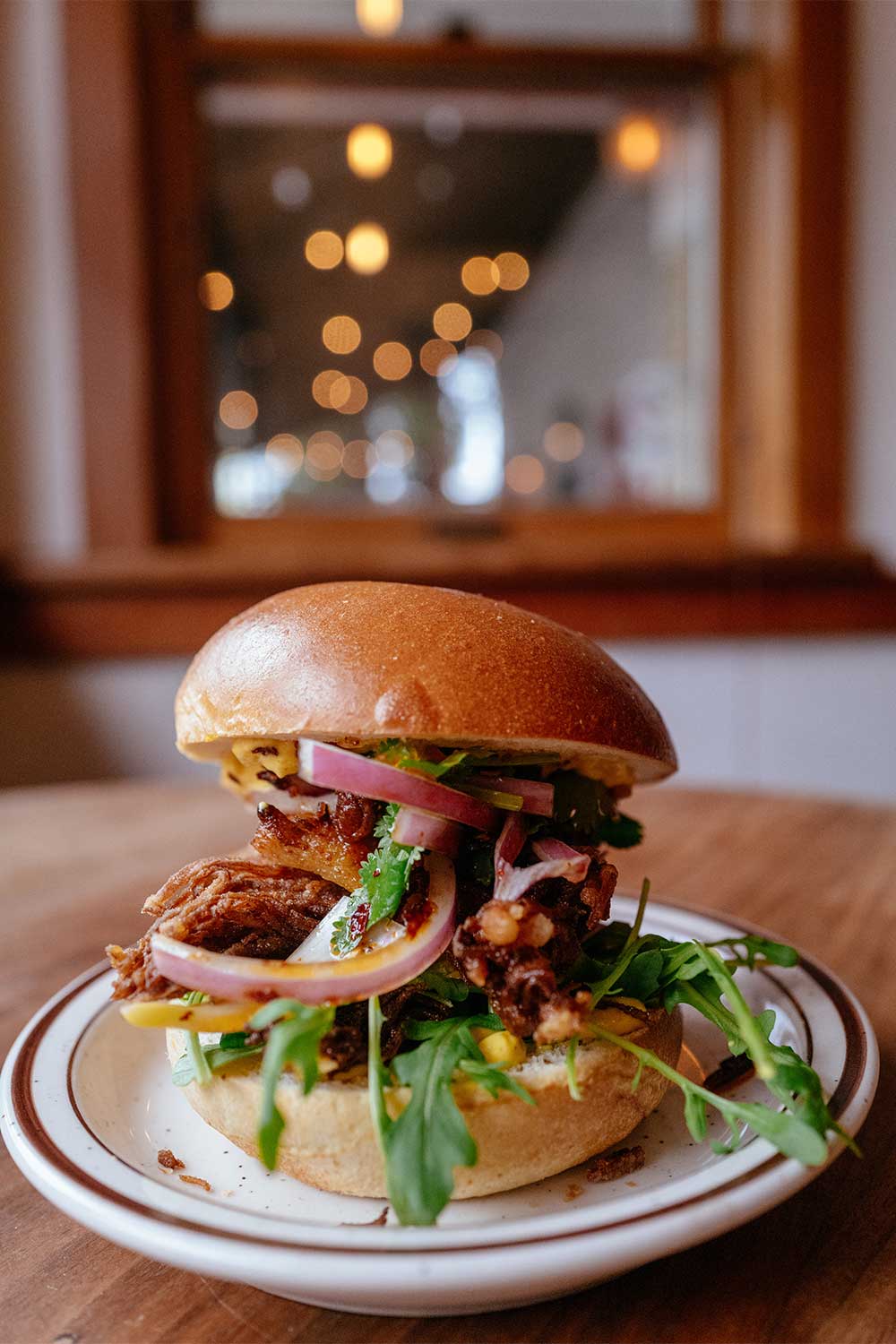
Dakers set out to create a menu that draws on a variety of cultural traditions, with chicken being the star of the show, hence the name “Junglefowl,” which is the wild bird that domesticated chickens descend from. Vegetarians will be delighted to find miso eggs still on the menu and an array of new dishes like fried enoki mushrooms.
“In other countries, chicken is not treated like a second tier protein like it is treated here,” Dakers says. “A lot of times chicken is a total star and not only taken care of in how it’s prepared, but also with how it’s raised to the point where you can eat it raw.”
Dakers recalls going to Japan a few years ago as a turning point in the way he viewed chicken. “It was the first time I started to see chickens treated and prepared in a variety of ways and being so incredibly delicious that I realized it was kind of like people who don’t like vegetables because they only had vegetables that were cooked badly.”
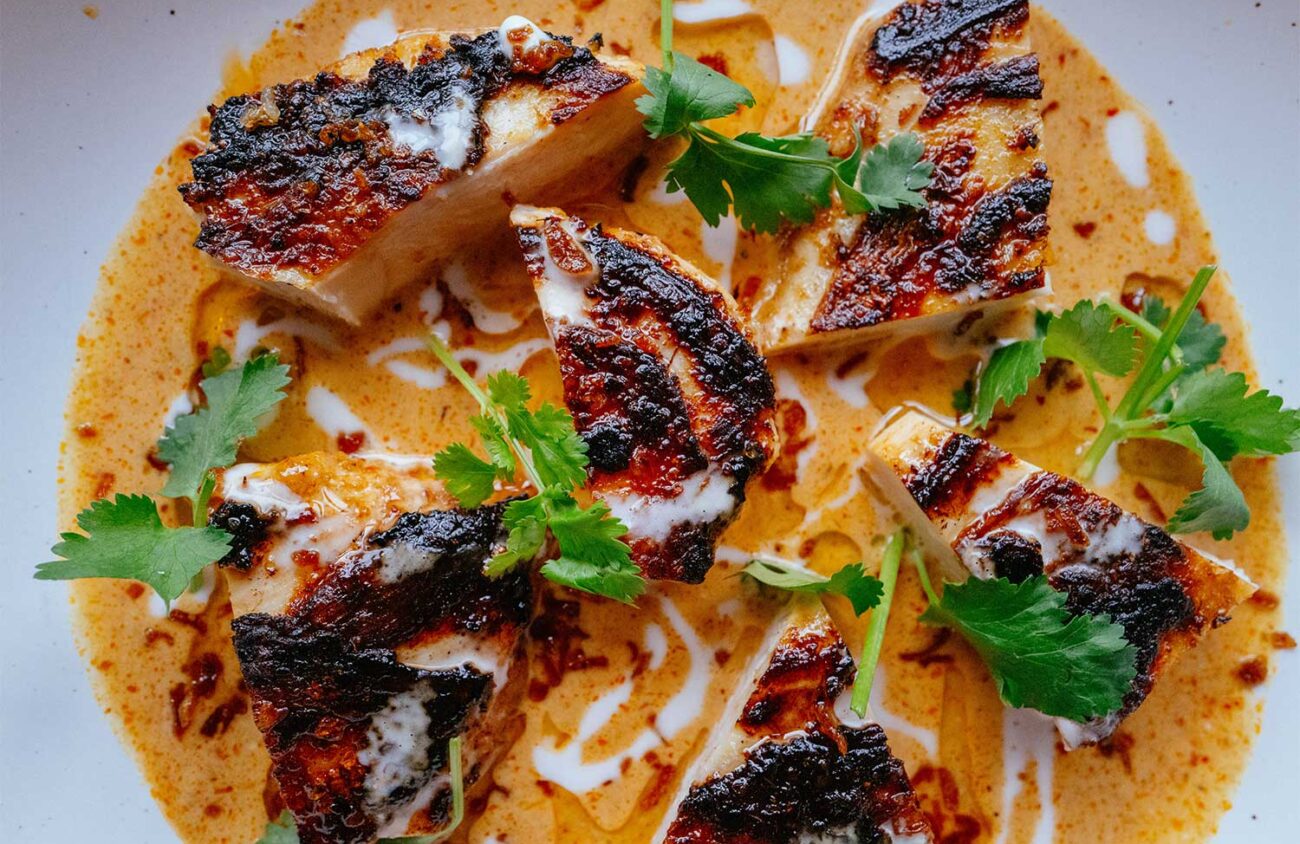
He says that one of the cuts they’re doing is a classic thin chicken breast with the skin left on as it’s being cooked to keep the chicken moist and render the fat. He says he uses that method of cooking for the Seven-Spice Chicken, which is inspired by a combination of Cajun and Chinese five-spice seasoning, and is paired with salsa verde and carrots.
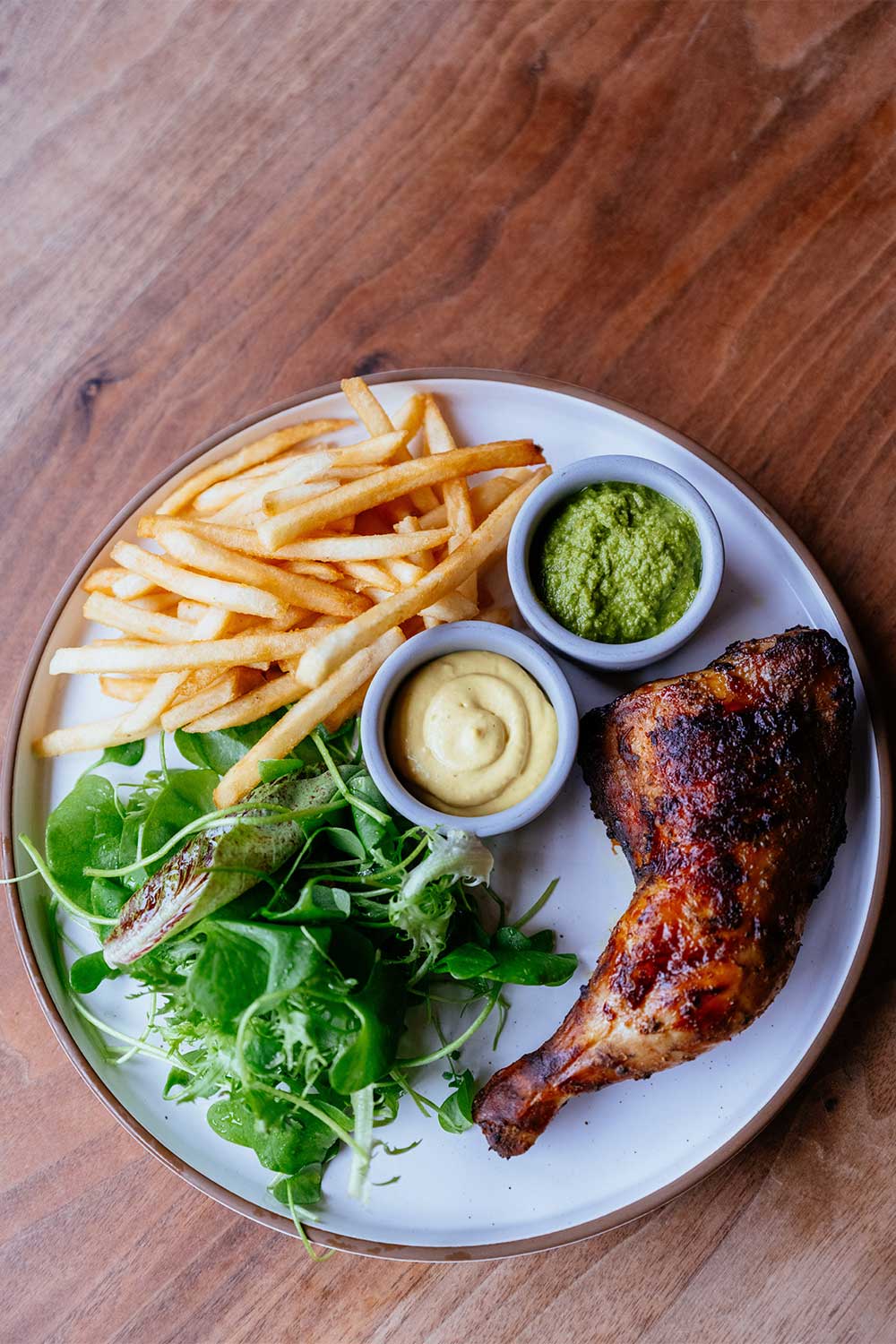
One of the ways that Dakers is able to try a variety of methods in cooking chicken is by purchasing it locally or using Central California-based Mary’s Free-Range Chicken, which is recognized as a better and widely available place to buy free-range chickens due to the company’s emphasis on good animal welfare practices. Utilizing local farms and/or Mary’s allows Dakers and his team to butcher the chicken themselves, thus having more control over the cuts and preparation.
“What we’re trying to do is take the care and extra steps that you would in making a great steak dish or fish or duck and applying that to chicken,” Dakers says.
He understands that there will be chicken haters, but he’s confident that they, too, will come around to appreciate all that chicken has to offer. “Hopefully when four of their friends tell them how good it was, they’re going to jump on the bandwagon and check it out.”
Junglefowl is at 345 Van Buren Street, open 11:30 am to 10 pm every day Thursday through Tuesday, closed on Wednesday. 541-505-8804. JungleFowlEug.com.