For those who haven’t used THC in years, or maybe even at all, venturing into the cannabis community today may be intimidating. Since statewide recreational legalization started in 2015, the Oregon cannabis industry has boomed, and the number of ways to consume the drug has grown exponentially. Eugene’s marijuana dispensaries say it does not have to be as daunting as it seems.
From vapes to edibles and even transdermal patches, there’s a little something for everyone who wants to get high or relieve some pain.
Smoking and Combustion
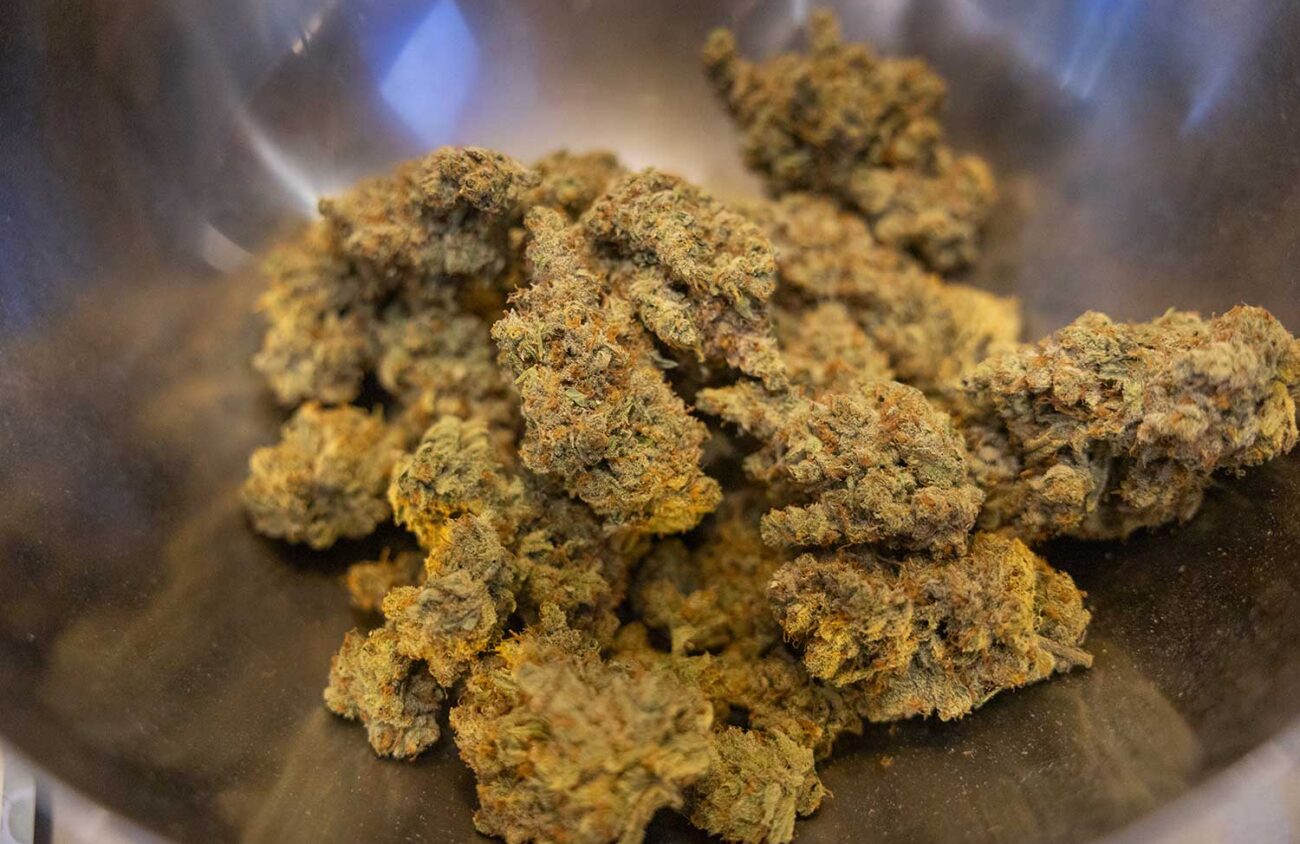
The classic of classics, smoking, is the best known and likely oldest way to consume marijuana. The ways you can smoke weed have changed over time, but the general method has remained the same: A flame touched to the dry plant — the flower — ignites it, producing smoke that you inhale.
Kirby Ferrell, lead budtender at NoDak Green Prairie dispensary on Coburg Road, says, “A lot of people are actually moving away from flower.”
But let’s start old school.
First up is joints and blunts. These are the classic ways you see weed consumed in movies and television. How do you do it? Well, first you have to decide whether you want to roll it yourself, pack the weed into an already rolled joint, or buy one that someone else rolled for you. For beginners, buying pre-rolled joints and blunts is the easiest way to go.
A joint is a cigarette paper filled with marijuana and a blunt is typically a hemp or tobacco leaf filled with marijuana.
After those are pipes, bongs, bubblers and other glassware. All of these devices follow the same principle: The smokers ignite the weed in a “bowl” as they suck through a mouth piece. The smoke travels through the glass, and enters the stoner’s lungs. With water-filtered glassware, the bowl connects to a “stem” that transfers the smoke into water, where the suction from your lungs pulls out the smoke through bubbles.
Ferrell says with the adoption of electronic smoking devices that use concentrates and oils, flower is becoming outdated, as the effort required to smoke in the traditional sense exceeds the effort to use electronic devices.
Mia Jewell, store manager of Moss Crossing, says those who are still smoking flower are increasingly looking for the “terpene” profile of a marijauna strain rather than the classic sativa vs. indica.
The old adage that indica means you’ll be “in da couch” and sativa means you’ll be “sunny,” can be a little outdated, Jewell says. Nowadays, she says some growers are focusing more on terpenes, organic hydrocarbons that may interact with the way THC is absorbed and processed. Think of terpenes as the hops of weed.
“What we’ve been noticing a lot, too, is that so many strains are becoming hybridized,” she says. “One day, you’ll know it as a sativa and then the next, all of a sudden, it’s an indica.” Jewell adds that “terpenes will really tell you what it’s going to feel like, and terpenes kind of make up the scent and the taste of things.”
Vaping
Just like with tobacco, vaping marijuana is quickly becoming the most popular way to consume. To vaporize weed, the concentrate or dry flower is heated to a temperature range that is hot enough to release THC and terpenes as a vapor, but cold enough that it does not catch fire and produce harmful smoke.
The most classic way to vaporize weed is by doing a “dab.” Traditionally, dabs involve heating a glass piece called a banger, which is attached to a bong or “dab rig.” The user must heat the banger with a blowtorch, then place marijuana concentrate into it, which vaporizes it. Doing dabs manually introduces some risk of making the vapor too hot, or smoking too much.
That’s why Ferrell says more users are opting for electronically heated concentrate devices. One example Ferrell points to is Puffco products, some of which can be operated via a phone application. They resemble a bong or pipe and feature a self-heating chamber where users can put in their concentrate, press a button on the device or on an app, and inhale once it indicates the weed is properly heated.
“A lot of people aren’t really buying a plastic bong or a plastic pipe anymore,” Ferrell says. “They’re gonna possibly spring for a full, more electronic setup where they don’t have to sit there and use lighters or torches, and they can just use their phones and have everything set up for when they get home.”
Other vaping options include cartridges that are filled with marijuana concentrate. These tobacco-vape style devices heat the oil when a button is pressed, or when the user inhales through the mouthpiece, delivering almost instantaneous and sometimes discrete THC.
Eating
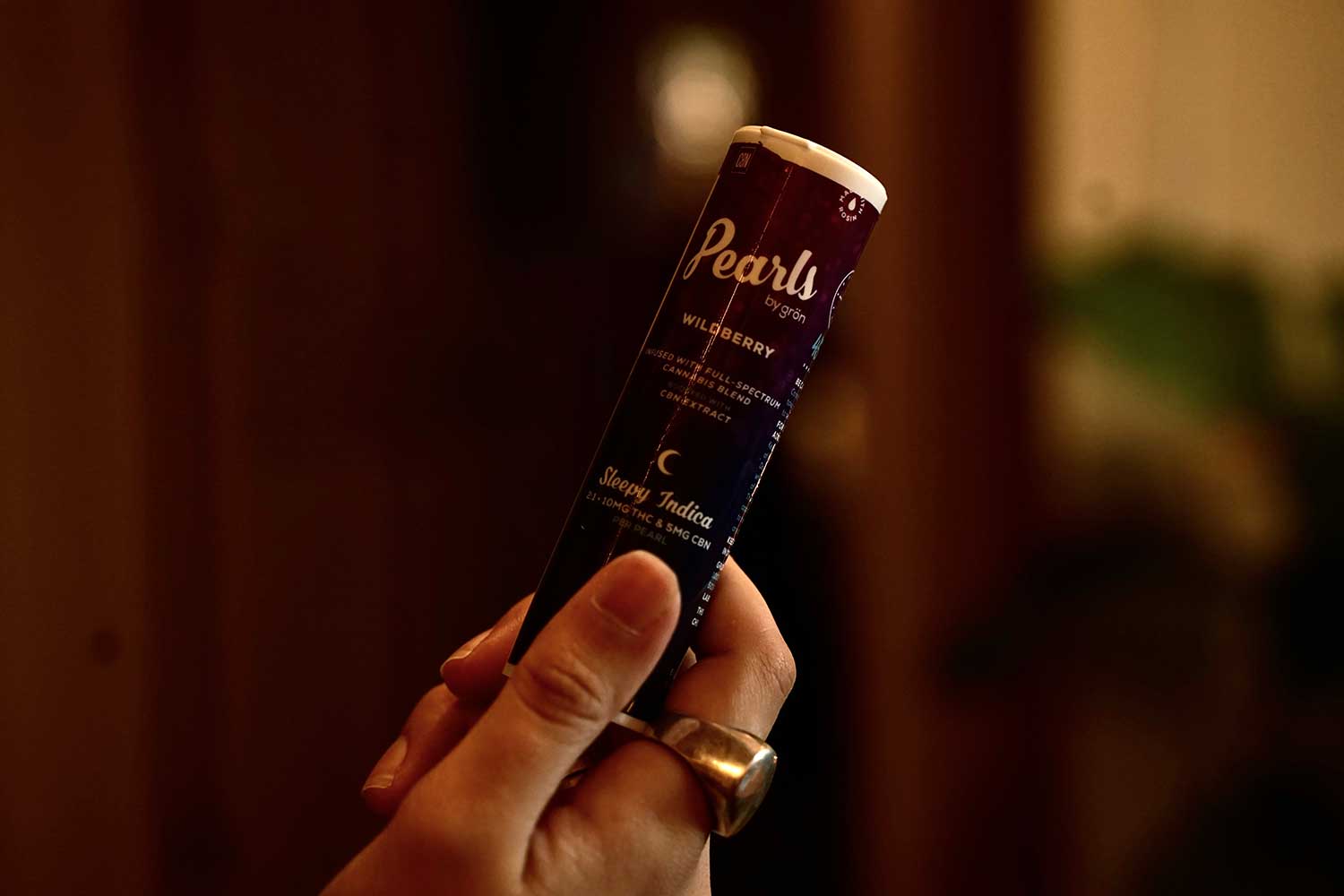
The dynamics of eating marijauna have not changed much since people found out you can do it. The method to take edibles is pretty simple: Just eat it, using caution with just how much and how strong it is. Today, there’s more than just your friend’s pot brownie. There’s gummies, cookies, chocolates, syrups and even drinks.
One recent advancement in edible technology is “activated” edibles, which absorb much quicker into the bloodstream, bypassing the normal 45-minute wait time. Jewell says for people who are looking to get into THC again or for the first time, one of the best ways is to start with small, low-dose edibles, working your way up to higher doses.
“We usually start them off with an edible because it’s not like smoking,” says Josh Wood, general manager of The People’s Wellness Center. “You go with the healthiest route, which would be to consume some edibles, and we always ask kind of like what they’re going for.”
For people seeking to use marijuana for medicinal purposes, Jewell recommends Rick Simpson Oil, a highly concentrated oil that averages 30 mg of THC per serving. Jewell says many cancer patients and people suffering chronic pain will take this as a supplement when traditional pain medications do not work.
Topicals
Topicals are perhaps the least well-known option of consumption. They involve either rubbing a lotion or cream on a part of the body, or applying a transdermal patch similar to a nicotine patch to the skin. Topicals are more commonly used for medicinal purposes, although Ferrell says they can be “a bit more recreational for the working person these days,” since some do not as readily show up on a drug test.
Topicals like lotions typically provide localized therapeutic effects like pain relief and reduced inflammation at the applied area. Topicals are different from other methods because they do not produce a “high,” with the exception of transdermal patches that pass the skin barrier.
Moss Crossing is at 2751 Friendly Street, MossCrossing.com, 541-636-3724. NoDak Green Prairie is at 390 Coburg Road, NodakDispensary.com, 541-505-8740. The People’s Wellness Center is at 71 Centennial Loop Suite B, ThePeoplesWellnessCenter.com, 541-505-8100.