
That’s Life, Kid
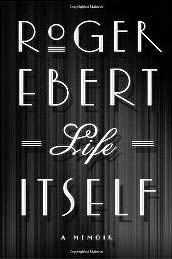
Roger Ebert’s memoir tells story of the man, not the movies
 |
I once heard an odd claim about Roger Ebert. As part of his work as a film critic, Ebert avoids being photographed with celebrities. To do so, it was said, would endanger his standing as a critic. No way that’s true, I thought. How can someone as prominent as Ebert avoid the spotlight? But sure enough, Ebert discusses this personal rule in detail in a blog post written to aspiring critics. He explains, in a deadpan, old-school journalistic fashion: “You diminish yourself by asking for a photograph.” End of story.
Ebert employs the same voice in Life Itself — on the nose, but never unkind. The same no-nonsense charisma that characterizes his film reviews is present in his memoir, as is the confidence that what he writes is worth reading. He seems to inherently know that his story is interesting; no sentimentality is needed.
Life Itself depicts Ebert as a man removed from the dry wit and brazen one-liners that made his career. He was active in newspapers from a very early age and never thought he’d make a career out of film criticism. His personal description of traveling in London reveals a reverence for daily ritual across continents. The stories of young love are always touching, even in the context of South African apartheid. The tales of camaraderie in various haunts (complete with vivid scenery descriptions) put any episode of Cheers to shame. After all, how many episodes of Cheers involve cigar-chomping, ever-curious Chicago reporters?
Ebert admits when he doesn’t remember a detail. This is troublesome in the short-term, though Ebert expresses his frustration right along with the reader, a device that humanizes him. And the amazingly intricate recall of mundane, everyday activities (shaving, driving or eating at the Steak ‘n Shake) makes small narrative gaps tolerable.
At some moments the author pats himself on the back a bit much. The full reprint of his 1970 interview with Lee Marvin borders on arrogance. However, eventually Ebert brings everything back to some universal theme, or he humbly emphasizes his own humanity by saying what a kid he was then, or just marveling at his good fortune at having that great opportunity. His thoughtful forays into the nature of being and his unflinching self-analysis redeem the moments of hateur that inevitably come with a writer of his stature and popularity.
There’s a feeling that Ebert still reels from the popularity and acclaim he’s received. For instance, here he is on writing the script for director Russ Meyer’s Beyond The Valley Of The Dolls: “Meyer offered me the screenwriting job, Jim Hoge gave me a six weeks’ leave of absence, and I fell into a delirious adventure.” Ebert reveals a sense of unexpected serenity, accepting his extraordinary opportunities and good fortune as just the way things are just supposed to go. As the anticipated reflections on life and mortality begin toward the end of the book, he settles into this mood comfortably.
There’s something inherently likable about Life Itself. Ebert makes no attempt to be endearing. There’s no sappy feeling of admiration, sadness or even inspiration, and what remains is an appreciation for whatever the hell in life just happens to you. Life Itself isn’t flashy, because its author isn’t flashy. And that’s exactly how we like him.
Life Itself (Grand Central; 436 pages; $27.99) by Roger Ebert is now available in hardcover and audio CD.
A Note From the Publisher

Dear Readers,
The last two years have been some of the hardest in Eugene Weekly’s 43 years. There were moments when keeping the paper alive felt uncertain. And yet, here we are — still publishing, still investigating, still showing up every week.
That’s because of you!
Not just because of financial support (though that matters enormously), but because of the emails, notes, conversations, encouragement and ideas you shared along the way. You reminded us why this paper exists and who it’s for.
Listening to readers has always been at the heart of Eugene Weekly. This year, that meant launching our popular weekly Activist Alert column, after many of you told us there was no single, reliable place to find information about rallies, meetings and ways to get involved. You asked. We responded.
We’ve also continued to deepen the coverage that sets Eugene Weekly apart, including our in-depth reporting on local real estate development through Bricks & Mortar — digging into what’s being built, who’s behind it and how those decisions shape our community.
And, of course, we’ve continued to bring you the stories and features many of you depend on: investigations and local government reporting, arts and culture coverage, sudoku and crossword puzzles, Savage Love, and our extensive community events calendar. We feature award-winning stories by University of Oregon student reporters getting real world journalism experience. All free. In print and online.
None of this happens by accident. It happens because readers step up and say: this matters.
As we head into a new year, please consider supporting Eugene Weekly if you’re able. Every dollar helps keep us digging, questioning, celebrating — and yes, occasionally annoying exactly the right people. We consider that a public service.
Thank you for standing with us!
Publisher
Eugene Weekly
P.S. If you’d like to talk about supporting EW, I’d love to hear from you!
jody@eugeneweekly.com
(541) 484-0519