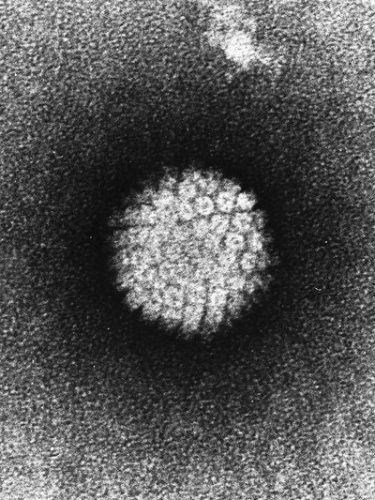
HPV aka human papilloma virus, can be as scary as it is common. About 40 strains of the disease are spread through sexual contact, the worst of them able to cause genital warts and cancer in the cervix, vagina, throat, penis and anus.
Enter Gardasil, a vaccine the FDA approved in 2006. It’s been shown to protect against types 6, 11, 16 and 18 of the disease, which cause the majority of cervical cancer and genital warts. (A previously introduced vaccine protected against some cancers but not genital warts.)
Eight years later, the vaccine, given in three shots, is approved for use in both males and females aged 9 to 26 and has a good safety record after a worldwide distribution of more than 100 million doses.
So why the lack of FDA approval and lack of insurance coverage for the $500-plus series of vaccinations after age 26? Paul Cieslak, an MD and medical director of the Oregon Immunization Program, says that people are much more likely to be exposed to HPV before age 26 and it becomes a question of cost: How much disease can be prevented for how much cost?
“The powers that be, the people who make these recommendations, weigh these things as carefully as the data allow,” Cieslak says. “I think they haven’t made a convincing argument that public health money or health money is best spent at that level.”
That’s not to say there are no circumstances in which a person older than 26 shouldn’t ever get the vaccine. Cieslak says people above the age limit who think they might benefit from the vaccine should talk to their doctors.
“The national recommendations are made for a population, and not for an individual,” he explains. “There’s no reason to think that it won’t work. In fact, there are data that suggest that it will work in people older than 26 years of age.”
A 2009 study published in The Lancet reported that Gardasil remains very effective in women through age 45 if they have no additional strains of HPV infection. It’s less effective in women who are already infected with another strain.
Still, health experts say it’s best to vaccinate early, and not just to take advantage of the insurance. “They’ve looked at the incidents of infection by HPV, and it turns out that you’re most likely to get infected early in your sexual history,” Cieslak says. “The highest risk, where most of the infection is occurring, is between the ages of 20 and 24, and to a lesser degree in the 15-to-19-year age group.”
After 26, the infection rate tends to drop off sharply, he continues. The risk rate isn’t zero, but people who haven’t acquired an HPV virus by age 26 are likely in a low-risk group or have already gotten it and recovered. “Most people who encounter these viruses, their immune system overcomes it and they don’t have any problems with it,” Cieslak says. Still, vaccinating early, ideally around the ages of 11 and 12, can prevent a later encounter with cancer.