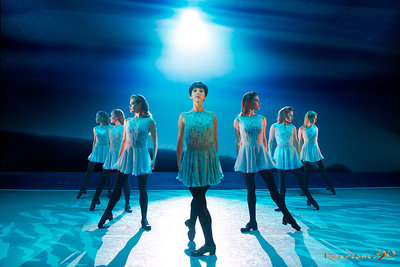
Since bursting onto the scene in 1995, Riverdance has employed more than 2,000 dancers and performed more than 11,000 shows before 25 million people in 467 venues across 46 countries. But who’s counting?
In advance of the show’s return to the Hult Oct. 28-29, we caught up with senior executive producer, Irishman Julian Erskine, who’s been with Riverdance since the beginning.
I remember the wild enthusiasm that audiences had for Riverdance back in the mid-’90s. What’s the appeal? Why do audiences keep coming back?
It’s the music, the choreography, the energy of the dancers, the haunting vocals, the beautiful costumes … But most of all, I think it’s the all-round entertainment value of the show that sends audiences home with smiles on their faces as they dance their way out of the theatre.
Music is a driving force in a Riverdance performance. Has the sound evolved over the years?
The music by Bill Whelan won the ’97 Grammy for Best Stage Show Album and has always been at the very heart of the show. Bill worked hand-in-hand with the original choreographers in developing the content while being utterly respectful to traditional Irish music. Bill brought in other musical influences and instruments to allow the show to incorporate and accommodate other cultures, and his background in jazz comes through every so often, especially in one of Riverdance’s standout numbers “Trading Taps.”
Michael Flatley exited the scene fairly early, and if memory serves, dubbed himself “The Lord of the Dance.” Any behind-the-scenes drama?
There is no denying the important role that Michael played in the development of the original Riverdance show, but it’s also important to put this in context by noting that we are now celebrating 20 years on the road with Riverdance and Michael performed in the show for less than 15 weeks. I think we have certainly managed to weather the storm!
A Riverdance dancer has to have what skills? How do the dancers take care of themselves?
Life on the road with Riverdance is rewarding but it is also very demanding. Our dancers are similar to professional athletes in the level of care and attention they pay to diet and body maintenance. One thing that certainly helps make this all possible is the extraordinary dedication of the dancers to their craft. It’s not a job to them, it’s a vocation and they really do give their best at every show, treating every night like a first night. And I think that shows onstage.
How would you define this kind of dance?
The core dance form in Riverdance is traditional Irish step dance and it has always been important to us to only engage dancers who are world-class Irish dancers. However, as with the music, there are deliberate interactions with dance styles from other cultures, but at the heart of the show is pure Irish dance.
Catch Riverdance: The 20th Anniversary World Tour 7:30 pm Wednesday and Thursday, Oct. 28-29, at the Hult Center; $35-$75, with college and youth discounts available. Tickets at hultcenter.org