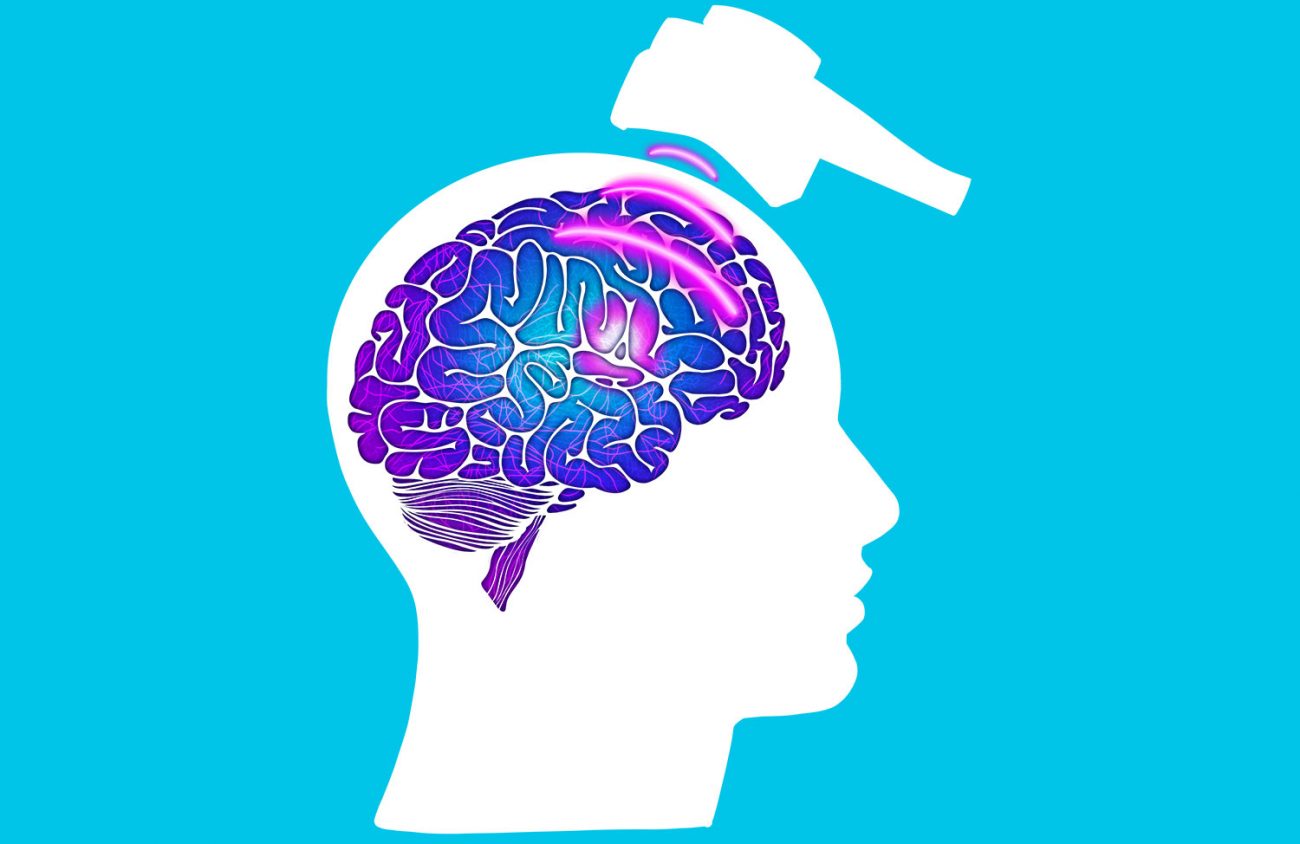
When medications and psychotherapy fail to offer much relief for people suffering from depression, a relatively unknown therapy called transcranial magnetic stimulation (TMS) might provide an alternative choice for patients in Lane County.
Emerald TMS opened its Eugene clinic in June, and the doctors involved hope this non-invasive treatment will make a difference in the treatment of depression.
Transcranial magnetic stimulation uses a machine to transmit electromagnetic pulses to the brain. The idea is that the pulses target the area in the brain believed to cause depression. As a practice, TMS received approval from the FDA in 2008.
These treatments last 4-6 weeks, with the patient coming in every day for about 20-40 minutes. There are minimal side effects, and people can easily return to their daily activities, the Mayo Clinic says.
The technician who runs the machines at Emerald TMS, Brendan Curran, compared TMS to opening up new paths in the brain.
“We are stimulating the neuro pathways,” Curran says. “It’s like cutting through brush and creating a new path. If you do it over again, the path becomes smoother and smoother. If you are breaking the consistency, you are not going to get as quickly to that spot.”
To qualify for TMS treatment, a patient must suffer from major depression and have tried several medicines. Symptoms of major depression can be subjective but usually include lack of appetite, low mood, apathy, suicidal thoughts and loss of sleep, as well as feelings of guilt or hopelessness.
Dr. Jocelyn Bonner, medical director of Emerald TMS, is in charge of screening patients. She meets with them to evaluate whether they fit the criteria, which include looking at information from a patient’s doctor.
Bonner says she hopes TMS eventually becomes a first line in treatment, though insurance providers still require that patients try several medications before using the relatively new treatment.
“It seems to be effective on a lot of people,” says Dr. Roger Hall, founder of Emerald TMS. “For some people, it is lifesaving. A lot of patients are no longer suicidal or have sleep deprivation.”
Hall brought TMS treatment to Eugene after watching a friend suffer from significant clinical depression, with no relief from medications.
“I talked to him about treatments,” Hall says. “I ran across transcranial magnetic stimulation and checked out their website. I decided it would be a therapy that might help him.”
Previously, doctors who had prescribed TMS treatment could only send patients to Portland or Medford, which are the closest clinics to Eugene. Because TMS is a daily treatment, it makes it difficult for patients to commute and it disrupts their day-to-day life.
In order to have the most effective treatment, patients are advised to not miss treatment days. Additionally, Hall says usually people don’t feel any change in their symptoms until about four weeks into treatment.
“You don’t suddenly wake up and run a marathon,” he says. “But you do wake up and feel better. Family and friends say you look better.”
In TMS research conducted by Stanford and the Mayo Clinic, 35-40 percent of patients have remission for depression. An additional 30 percent or more show significant improvements.
The main issue Emerald TMS faces right now is a lack of patients. Lack of awareness about the treatment is a factor, as is the different hoops people have to jump through to get it. The process of being screened and receiving insurance approval can take a while, as well.
“It’s a major delay and it’s understandable, but it does take quite a while,” says Hall.
At this point, Emerald TMS has only seven patients, with an additional four about to begin treatment; there is also a separate list of patients awaiting approval from their insurance companies. Bonnor says she is hopeful that as awareness rises, more doctors will recommend TMS for their patients.
“I think when you are that motivated for something new that’s been helping you, you get yourself there,” she says.
Emerald TMS is at 1140 Willagillespie Road, Suite 44, in Eugene. Call 541-735-3241 for information.