From the Viennese dance halls to high-end art songs from Germany in the late 1800s, with a touch of opera from the same time period, Eugene classical music fans received a relaxed, warm treat on a bone-chilly evening Sunday, Jan. 27, courtesy of the chamber ensemble microphilharmonic.
The audience, young and old alike, was invited early on to dance in spirit, and it did — even to the subtle sounds of an accordion.
The 11 instrumentalists had the good-sized Jaqua Concert Hall audience at The Shedd swaying to Johann Strauss II (“The Emperor’s Waltz” and “Roses From The South”), Claude Debussy’s Prelude to the Afternoon of a Faun and a charged special arrangement of Strauss’ Overture to Die Fledermaus.
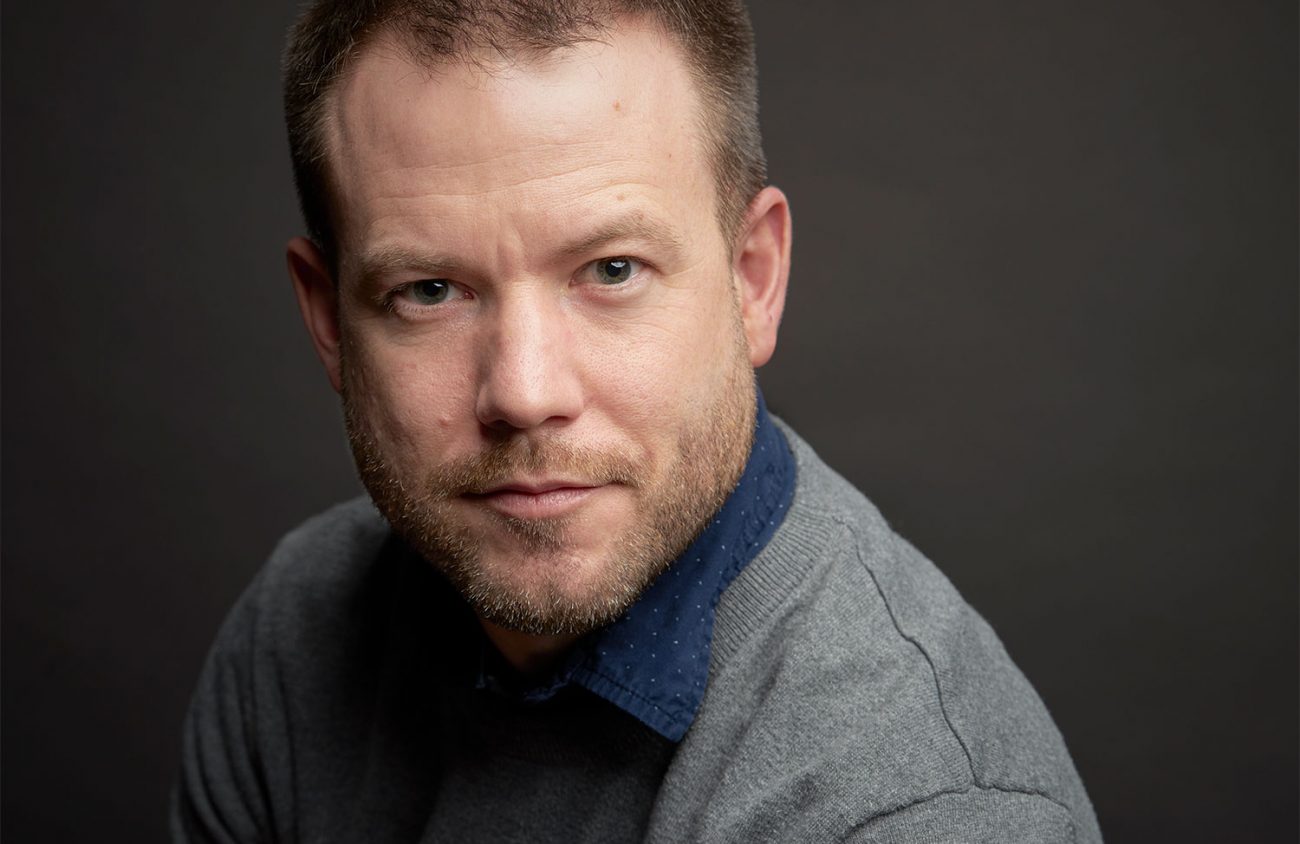
Sandwiched between this was the splendid baritone Harry Baechtel, an assistant professor of voice at Portland State University, who sang four pieces from Gustav Mahler’s Songs of Wayfarer. He received a standing ovation from the knowledgeable audience, and he deserved it.
All of it was a salute to the 100th anniversary of the Viennese Society for Private Musical Performances, a series of performances in Vienna from 1919-21 that featured contemporary works of the time, and to which critics were not welcomed.
I found nothing to criticize on this Sunday night, especially Baechtel’s performance. His diction was perfect, as were his stage presence and his voice. In a group of greatly trained musicians, Baechtel was the highlight of the evening.
Enlarge
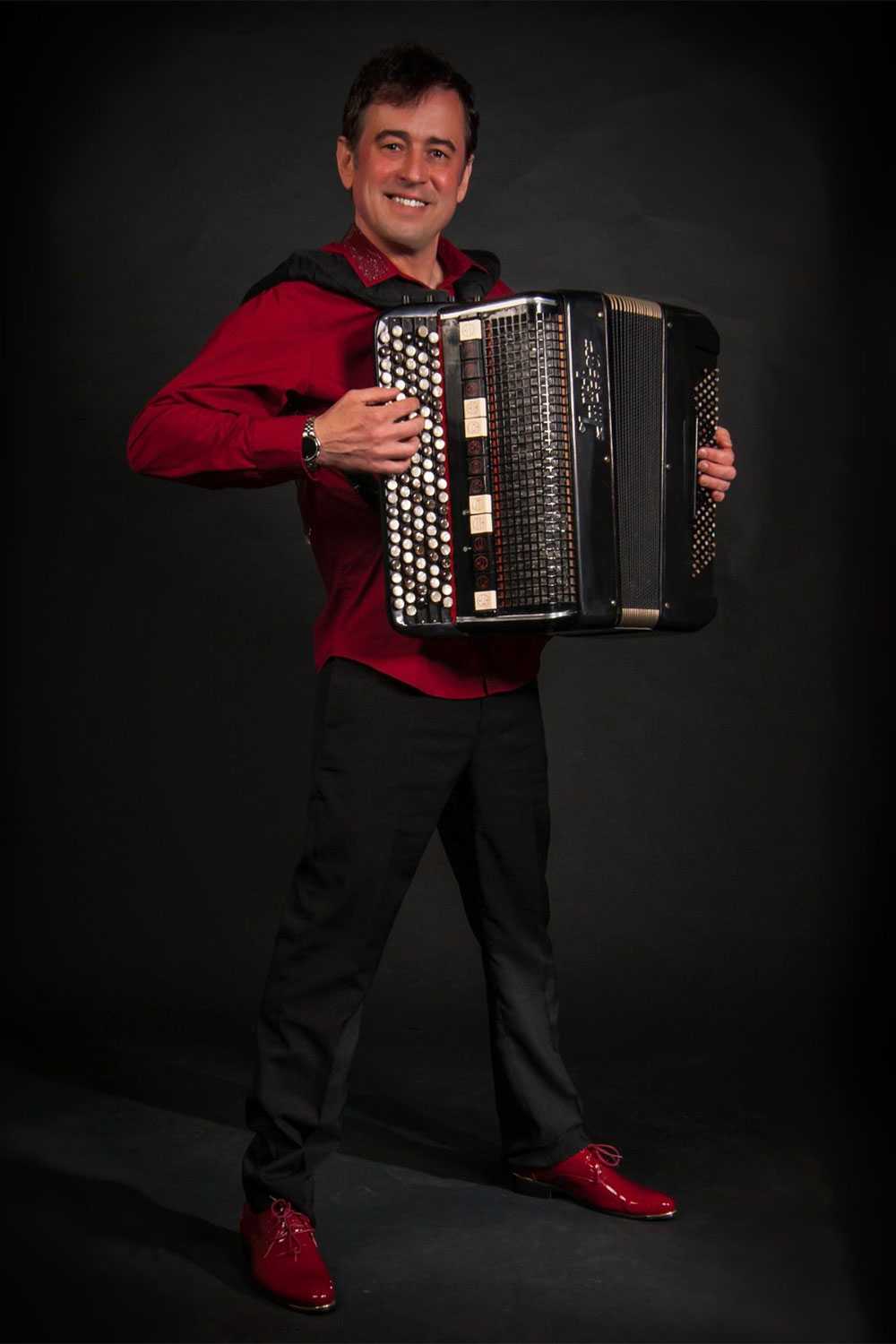
This is not to overlook the instrumentalists of microphilharmonic, particularly Sergei Teleshev on the culturally maligned accordion. I’ll admit some misgivings when he appeared on stage, but I was prepared to be pleasantly surprised.
I was. Teleshev, classically trained in Russia, blended nicely in a supportive role to the ensemble.
The ensemble microphilharmonic performs in a semi-circle with no conductor. Think of it as a finely tuned basketball team. The string players occasionally make quick eye contact as they start and end phrases, but the ensemble generally runs on blind (and professional) faith. No one missed a beat.
microphilharmonic is in just its second season, “devoted to performances of large scale symphonic works by a small ensemble,” according to its program. Its co-artistic directors are the husband and wife team of Michael Anderson (clarinet) and Alice Blankenship (violin), and it offers a first-rate and intimate portrait of classical music. The Jaqua Concert Hall is the perfect venue for the ensemble.
Next up for microphilharmonic is a Sunday, March 3, date at Jaqua Concert Hall. Blankenship will lead the ensemble in a tribute to Baroque music featuring Georg Philipp Telemann, Antonio Vivaldi and Biagio Marini.