
It’s a busy spring for Eugene School District 4J.
As schools and students transition from virtual learning to hybrid in-person instruction for the first time in a year, the 4J Board of Directors is preparing for its May 18 election, where several board positions are up for reelection.
Two candidates have filed to run for position three on the board: incumbent Judy Newman, who is seeking a second term, and challenger Tom Di Liberto, a retired 4J Spanish immersion teacher. After the past year of remote learning, both candidates highlight the need for equity and representation when it comes to taking care of students and teachers — an issue exacerbated by the COVID-19 pandemic.
Both candidates have received endorsements from prominent community members. Di Liberto is endorsed by the Eugene Education Association and former Eugene Mayor Kitty Piercy. Newman is endorsed by Oregon Labor Commissioner Val Hoyle, current Eugene Mayor Lucy Vinis, as well as several local state representatives.
Newman, who started her term on the board in 2017, says she decided to run again because her work isn’t done. She says her first few years on the board have helped her attain a broader level of experience that she wants to continue to use moving forward.
As the director of Early Childhood CARES of Lane County, which provides early intervention and special education to young children, Newman says she’s learned to be a good listener to parents and students from various situations. She says she’s worked with children whose parents are incarcerated, children of Black Indigenous People of Color (BIPOC) and kids with disabilities. If re-elected, Newman says one of her priorities is to continue building and supporting wrap-around services for schools, so that all students have resources moving forward, especially post COVID-19.
“This past year, COVID has been a huge focus and push to work with partnerships to make sure students’ and families’ basic needs are met,” Newman says.
She says the pandemic showed the importance of giving students access to technology. Now that they are returning to classrooms, Newman says staff should adjust their approach, ensuring 4J schools have the right social and mental health services available to meet students’ needs, because some may be struggling after all those months at home.
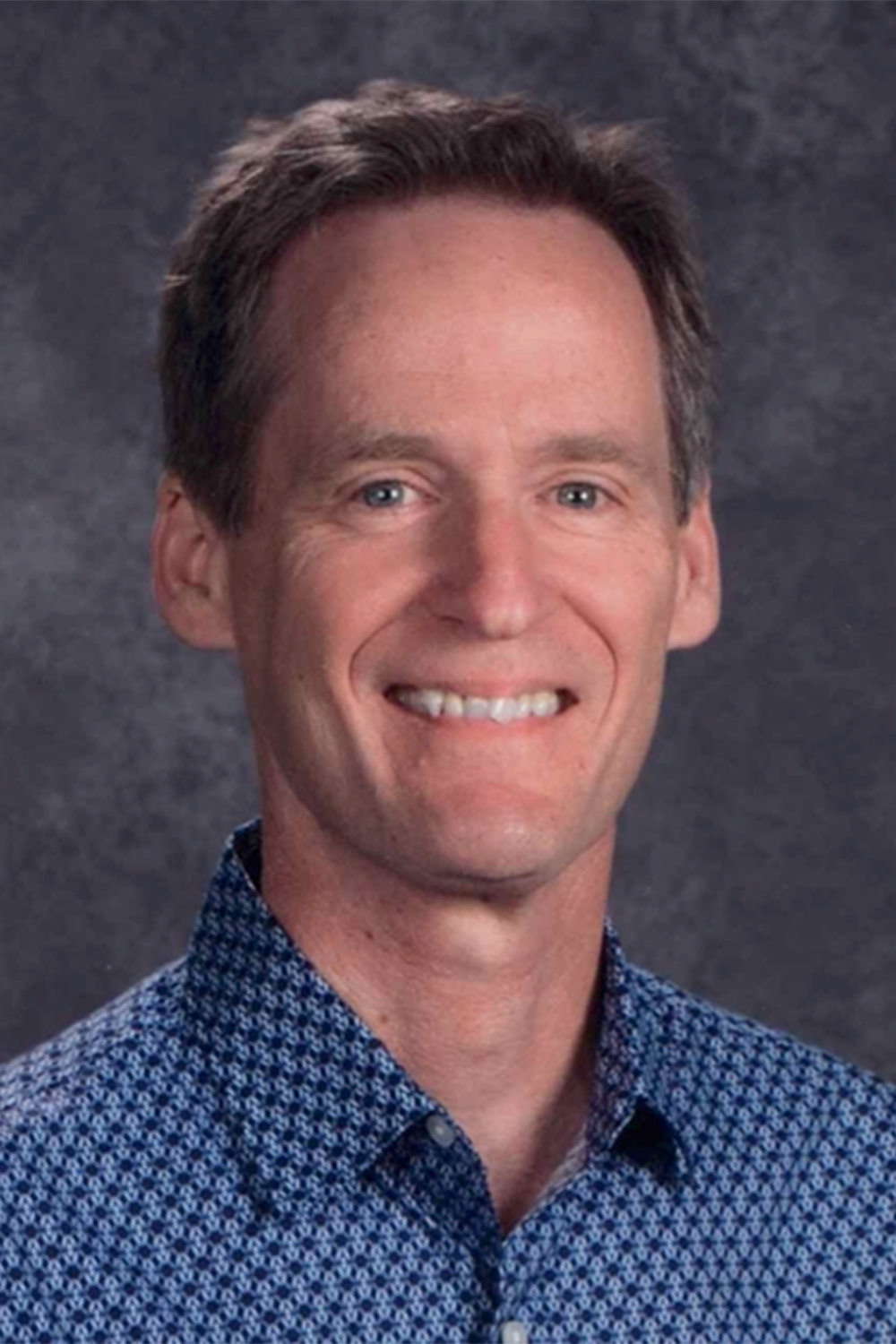
Di Liberto, who spent 31 years as a teacher for 4J, also has ideas on how the district should approach students returning to school, while keeping students and staff healthy. He says in addition to everyone having proper PPE, there needs to be extra cleaning measures in place, though it can get tricky with secondary grades who move more between classes.
Rather than having all the focus on catching them up, Di Liberto says students need to be met where they are at, both emotionally and physically.
“Just being dropped back into a classroom is pretty traumatic. I don’t want those kids to be pushed off to the side,” he says.
Both candidates say they believe the district needs to take large strides in addressing equity. Newman mentions the importance of wrap-around services again. The district’s outside partnerships need to be expanded, she says. And because these systems in schools were built on a system of white supremacy, 4J needs to be working with consultants on how to restructure services so that all students benefit.
“To me, equity and inclusion isn’t a stand alone thing. Whether it’s food service or mental health service, it’s not a separate initiative,” Newman says. “It’s got to be front and center.”
And to be inclusive, there must be representation. Newman says the district has made progress on hiring BIPOC teachers, but there is a long way to go.
“Our student population is really changing and becoming more diverse. Students are really seeing themselves in the staff and the school,” Newman says.
Newman also serves on the district’s budget and legislative committee. In creating policy for the district, she says it’s crucial to hear and respect different perspectives.
In addressing equality, Di Liberto says the district’s Equity Tool — an assessment for decision making that analyzes the equity of the policy or decision — is an excellent first step, but warns there needs to be a continual effort to communicate with the community, because the needs of families and schools vary across the district.
“It’s not just proclaiming, ‘We have a tool,’” Di Liberto says. “We have to do it right.” Another part of the equity issue, he continues, is that class sizes and caseloads are too high, though Di Liberto acknowledges that it’s expensive to do.
Di Liberto spent the last seven years of his teaching as a bargaining chair of the Eugene Education Association. In listening and advocating for teachers, Di Liberto says he has learned a lot and realized there needs to be more emphasis on community involvement. For example, he says the board should encourage and expand staff input during meetings.
Teacher retention is also an important aspect of that, Di Liberto says. One idea he has for this is a teacher mentorship program, something the district did years ago but doesn’t have the budget for now. He says this would pair seasoned teachers with newer teachers, and they would provide support for each other.
“If you really want to keep good teachers you have to help them be successful,” Di Liberto says. ν