By Dan and Barbara Gleason
This month, the Garden Palette is offering something different. Gardens attract insects and insects attract birds. If you are new to the area, here are some tips by Dan and Barbara Gleason, owners of both Wild Birds Unlimited shops here in Eugene.
Feeding birds is enjoyed by millions of people worldwide, and it’s interesting to see different birds coming to feeders at different times of year due to the migratory patterns.
One of the most common backyard birds is the black-capped chickadee, which is present year-round, but visits feeders more in winter. In the spring it nests and raises young, and those young birds need insects to survive, so adults only occasionally visit feeders. Come fall, however, insect populations wane and many birds, like chickadees, consume more seed, thus making more frequent feeder visits.
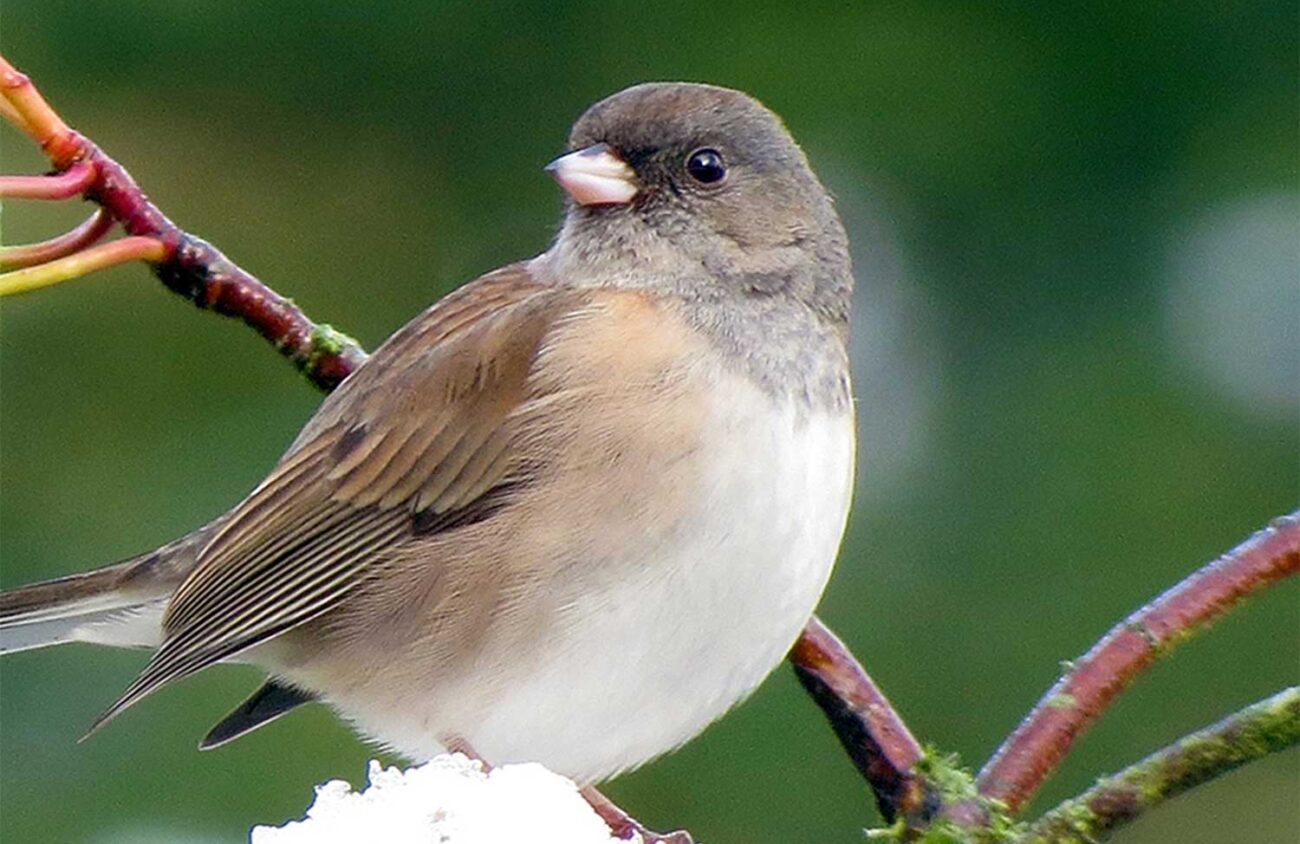
Dark-eyed juncos breed at higher elevation, tending to visit yards less in spring and summer. In winter, they move into the valleys and are frequent visitors.
When considering what you will feed, one of the best foods for birds is sunflower seed, found both in or out of the shell, as “chips” or whole seeds, sometimes called “no mess” seed. Most small feeder-visitors will enjoy it all year.
One caveat: Sunflower seed in the shell can leave a mess, since birds toss shells to the ground, leaving them behind. Those shells still smell like the food the birds took, so visiting creatures think there must be food close by, and the shells can attract unwanted rodents.
Sunflower seed has a high oil content and birds need this fuel throughout the day. The fat layer they build up from the oil helps them survive cold nights, making it an important food source. Some seed mixtures may also contain peanut bits, another good source of protein. Never offer roasted or salted peanuts.
Avoid seed mixtures that contain wheat, rye, barley, milo or sorghum, as these are fillers that add weight to a bag, but are not desired by birds and they will toss these to the ground, wasting it or attracting rats.
(Note from Kim Kelly: rats are everywhere, so don’t make it easy for them to get food.)
Sunflower can be offered in a variety of feeders: tube feeders, trays, or even directly on the ground or on a ground-tray. If you use a tray, do clean it regularly, so bird droppings do not accumulate.
Many birds prefer a tray or a ground-feeding option during the winter: Dark-eyed juncos, song, white-crowned or golden-crowned sparrows prefer ground feeders. Spotted towhees will often join them. And this is very important: there are outdoor cats everywhere so if you feed on the ground, we recommend trimming bushes near the area at least three feet up from the ground so a cat cannot hide in wait to snag a bird. And if you have an outdoor cat, putting a bell on the collar can thwart a kill.
Another wonderful food, especially in winter, is suet. This hard fat is found around the kidneys of lamb and mutton. Be sure to use true suet, not plant-based fats. Fat is essential in the diet of a bird, so suet is very beneficial. Watch out for cheaper suet as it does not contain the right fats, so are far less useful or attractive to birds. Read the label and ask questions.
A wide variety of birds enjoy suet: bushtits, chickadees, winter warblers, such as the yellow-rumped warbler or Townsend warbler. Suet is also very attractive to downy woodpeckers and Northern flickers.
We are lucky here in the Pacific Northwest to have hummingbirds year-round. The Anna’s hummingbird is non-migratory and can easily be attracted throughout the year. Hummingbirds consume many tiny insects, the almost invisible-to-us egg cases of over-wintering insects or teensy spiders for protein, but when there are no flowers in bloom, they benefit greatly from nectar feeders.
Be sure to clean feeders regularly in order to prevent illness spreading among birds, and to help minimize winter stress. We recommend cleaning feeders at least once every few weeks. On cleaning day, empty feeders of all food and place in a bin or sink with hot water and dish soap in it, to soak. Then, run a stiff brush through the feeders, in order to break up any biofilm that has built up in the feeder.
Once cleaned, change the water and add bleach to the water to a 10 percent solution, approximately. Soak the feeders briefly, then rinse well. Dry the feeders thoroughly before placing them back out. If food in your feeders gets wet, we suggest buying a large dome to cover the feeder, to prevent mold from occurring in the food. The birds also appreciate a dry perch on which to eat.
Then retreat to your living room perch to watch the birds!