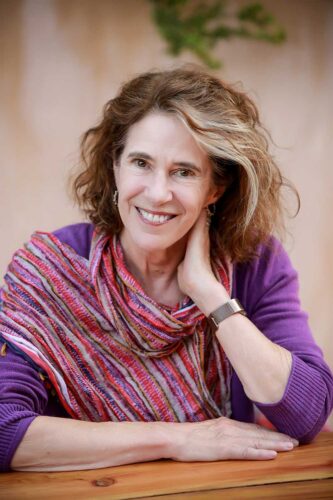
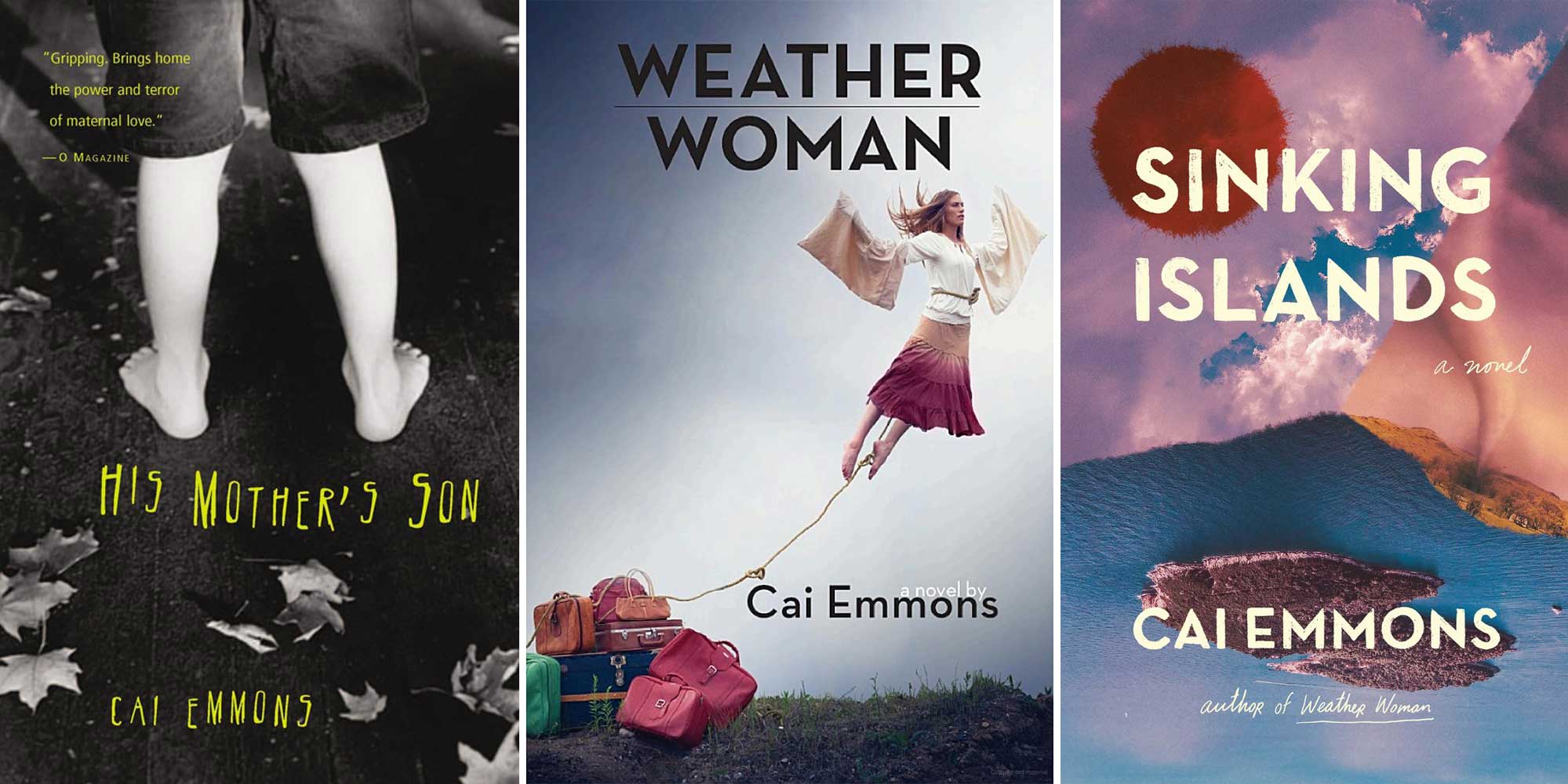
In Oregon’s long literary history, only one woman has contributed to it with nationally recognized stories about people who control the weather, women who turn into dogs and monks who reckon with their history of abuse. Cai Emmons was a renowned Eugene fiction writer, known for her magical realism in novels such as Weather Woman and Sinking Islands among others, as well as her popular psychological thriller debut His Mother’s Son. She was praised for her depiction of difficult and taboo themes throughout her writing. In January 2023, at age 71, after chronicling her ALS diagnosis, she wrote of her decision to end her life under Oregon’s death with dignity law.
But for local writers, Emmon’s contributions to Eugene’s literary scene have gone far beyond her storytelling. She was a writing professor at University of Oregon, a teacher with nonprofit writing organization Wordcrafters in Eugene and, for her colleagues, a beacon of knowledge and encouragement.
“If I saw her speak or teach, the passion and the energy that she exuded felt like home to me,” says Jeaux Bartlett with Wordcrafters. “I’m not quite sure how else to put it. I resonated with her as a person, and then also with her writing.”
To honor her work, Wordcrafters created the Cai Emmons Short Fiction Contest, open to writers across Oregon and Washington. 2026 marks its second year. In no more than 3,000 words, the contest encourages applicants to craft a story emulating themes central to Emmons’ writing, such as female protagonists, grief, family dynamics and magical realism. The grand prize winner receives $700 while the top seven stories are published in an anthology titled Cai Emmons Short Fiction Contest.
“She was a Eugenean through and through,” says Miriam Gershow, 2025 contest head judge and Emmons’ friend of 15 years. “Cai would be so happy to have this anthology with her name on it that celebrates a lot of up-and-coming writers.”
The contest was born when the Wordcrafters board decided to pay homage to her legacy by uplifting lesser known artists.
“Publishing and everything — it’s hard, and I think it’s easy to become envious of other people’s successes and do the whole comparison thing,” Bartlett says, but “Cai didn’t do that. She genuinely was encouraging of other writers and wanting success for people. She was a good model to follow.”
Gershow and Bartlett conceived the contest together, and approached Emmons’ husband, Paul Calandrino, for approval and funding.
As someone who was the first eye on most of Emmons’ work, Calandrino was eager for the opportunity. “Cai’s concerns as a writer are very important social concerns,” he says. “She was very interested in women’s issues and in the environment. Also, she was a science nerd, and she loved physics and climate science.” But more than that, he says, “I believe that Cai’s work was underappreciated when she was alive and writing. And I like to get her name out there — and some understanding of who Cai was — out into the public as much as I can.”
Calandrino and Emmons were together for 20 years, and married shortly after she got diagnosed, one year before her death.
The Emmons-Calandrino Family Trust has contributed to local theater, FOOD for Lane County and Emmons’ publisher, Red Hen Press. “I especially love the fact that WordCrafters has asked to do this fiction contest because I love encouraging new writers to work on their craft and have a place to submit their work,” Calandrino says.
Bartlett says that along with the opportunity for regional writers to get published, there are mental health benefits to writing within Emmons’ themes as well. “I think that there’s really this healing power in writing about difficult things,” they say, “because it makes you put them into language, which makes you process them in an entirely different way than if they are just circulating around your brain or in your heart.”
The contest goes through three rounds of judging. The first is a screening round to ensure that the entries follow guidelines. Then, the stories go through volunteer judges, who read and pass the final stories on to the head judge, who this year is memoirist Debra Gwartney.
Gershow says last year she felt Emmons’ watchful and appreciative eye as she judged the stories. The grand prize winner, “The Bechdel Protocol,” by Scott Colley, she says, “was inventive, it was strange in a great way, it was ambitious, it was weird and it is just like a little gem of a story where all the elements came together.” While she maintains that all of last year’s entries were incredible, Gershow says, “I think Cai has a hand in everything still, and I thought she’d be so delighted that this unexpected story was the undeniable winner.”
Bartlett opens up the opportunity to honor Emmons to the public by encouraging volunteer readers to take part in the round 2 judging process. By reading this year’s entries, volunteer judges “can be part of creating the new anthology, just by reading and scoring the stories.”
The Cai Emmons Short Fiction Contest ends Nov. 30. For more information about entering or being a volunteer judge, visit WordCrafters.org. Entry $7, $5 for members, or waived for BIPOC, QTGNC and disabled writers.