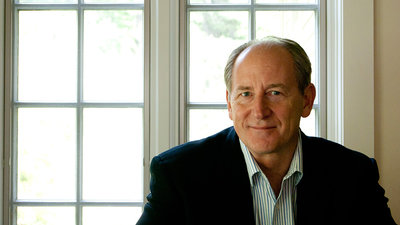
When we heard Christian Appy talk about his new book at a Morse Center event on the UO campus last month, we knew American Reckoning was a must read for more understanding of the “Vietnam War and Our National Identity,” as he subtitles it. Appy is a professor of history at the University of Massachusetts Amherst and the author of two previous books on the Vietnam War.
He weaves pop culture into history from the Cold War up to the global War on Terror. President Eisenhower’s role was new to us, probably a part of the experience that provoked his famous prophetic warning against the military-industrial complex. In reading Appy, it was difficult to accept Sen. Wayne Morse’s oft-repeated prediction that John Kennedy, had he lived, would have ended the Vietnam War. Maybe, but unlikely.
Appy also does away with the myth, expressed recently in interviews in our local daily newspaper, that we would have won that war if “they” would have let us. We were beaten, but that does not detract from the incredible bravery of the men and women who fought and died in the jungles of Southeast Asia.
His chapters on Vietnam’s impact on our national identity are not as tight as the earlier history of the war. This is harder for a historian, but here’s an important excerpt:
“Since the height of the Vietnam War many Americans have challenged the idea that their nation has the right or capacity to assert global dominance. Indeed, the public is consistently more opposed to war than its government. Yet there remains a profound disconnect between the ideals and priorities of the public and the reality of a permanent war machine that no one in power seems able or willing to challenge or constrain.”
A Note From the Publisher

Dear Readers,
The last two years have been some of the hardest in Eugene Weekly’s 43 years. There were moments when keeping the paper alive felt uncertain. And yet, here we are — still publishing, still investigating, still showing up every week.
That’s because of you!
Not just because of financial support (though that matters enormously), but because of the emails, notes, conversations, encouragement and ideas you shared along the way. You reminded us why this paper exists and who it’s for.
Listening to readers has always been at the heart of Eugene Weekly. This year, that meant launching our popular weekly Activist Alert column, after many of you told us there was no single, reliable place to find information about rallies, meetings and ways to get involved. You asked. We responded.
We’ve also continued to deepen the coverage that sets Eugene Weekly apart, including our in-depth reporting on local real estate development through Bricks & Mortar — digging into what’s being built, who’s behind it and how those decisions shape our community.
And, of course, we’ve continued to bring you the stories and features many of you depend on: investigations and local government reporting, arts and culture coverage, sudoku and crossword puzzles, Savage Love, and our extensive community events calendar. We feature award-winning stories by University of Oregon student reporters getting real world journalism experience. All free. In print and online.
None of this happens by accident. It happens because readers step up and say: this matters.
As we head into a new year, please consider supporting Eugene Weekly if you’re able. Every dollar helps keep us digging, questioning, celebrating — and yes, occasionally annoying exactly the right people. We consider that a public service.
Thank you for standing with us!

Publisher
Eugene Weekly
P.S. If you’d like to talk about supporting EW, I’d love to hear from you!
jody@eugeneweekly.com
(541) 484-0519