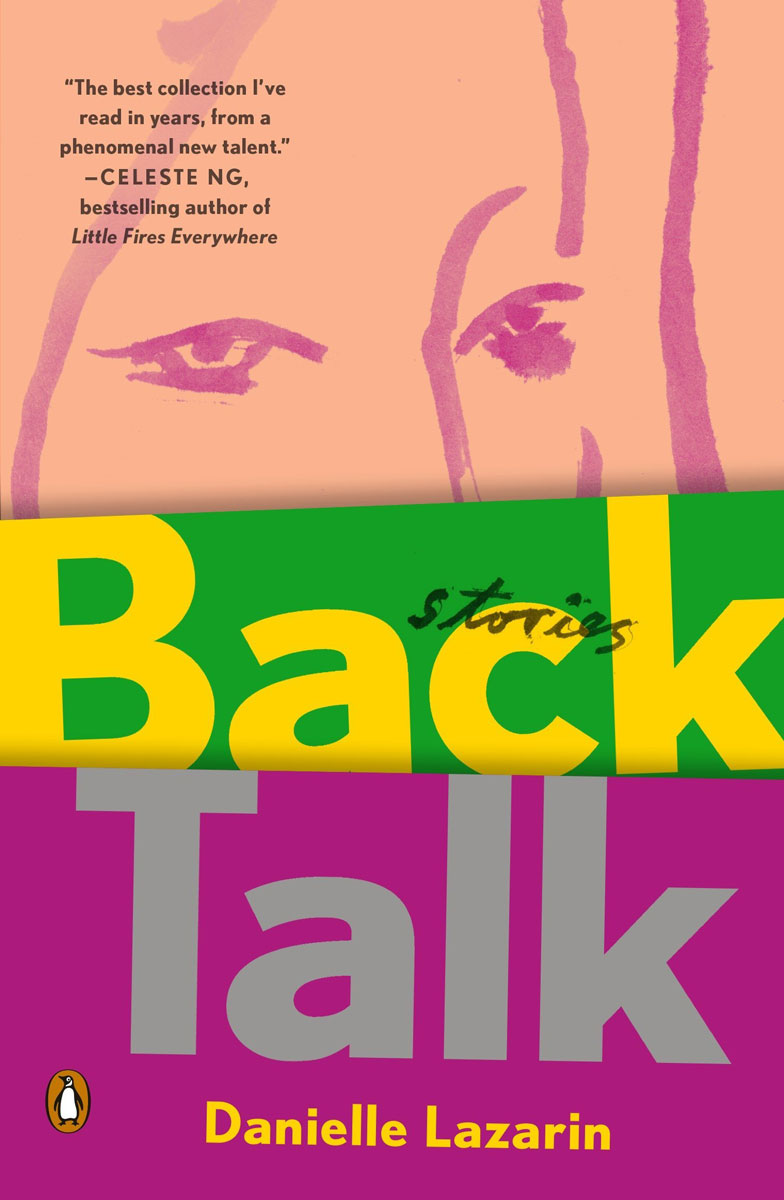
Back Talk by Danielle Lazarin. Penguin Books, $16.
Danielle Lazarin’s Back Talk is the author’s debut — a collection of slice-of-life short stories about girls and young women navigating life. The book’s 16 stories mostly focus on the intricacies of relationships in the form of the romantic (breakups, divorces and infidelities) and platonic (friendship, siblinghood and the loss of loved ones). Lazarin’s style is incredibly understated, taking a glimpse into her characters’ seemingly everyday lives, while still offering depth, empathy and a peek into unspoken desires. My favorites from this collection are “Floor Plans” and “Appetite.” — Meerah Powell
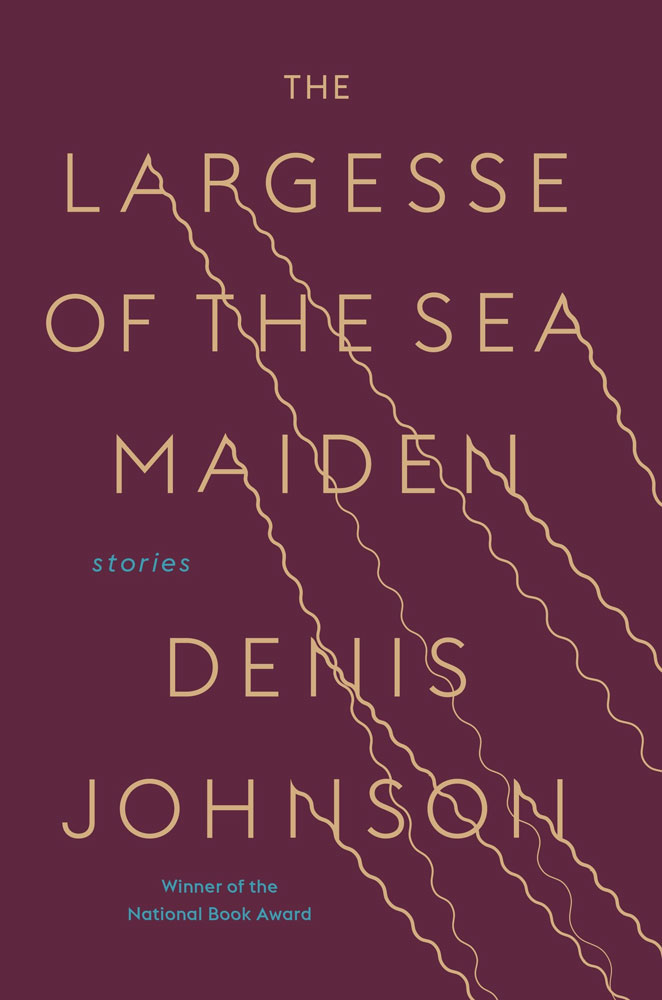
The Largesse of the Sea Maiden by Denis Johnson. Random House, $27.
By now, Denis Johnson’s seminal short story collection, Jesus’ Son, has been properly recognized not just as a cult classic but a classic, period — a universally adored work of trashed transcendence whose ripples are still being felt a quarter century after its release. It’s a book that is passed lovingly from reader to reader, like something sacred and a bit dangerous, and in a sense this sainted collection not only cemented Johnson’s reputation but froze it: Would he ever top his masterpiece? The answer is yes and no. No — because who could, really? — and yes, because his gift before death in 2017 was to bring the youthful fury and self-destructive striving of Jesus’ Son to bear on his own mortality in the posthumous collection, The Largesse of the Sea Maiden. Elegaic, bittersweet and yet ever generous of soul, these short stories singe where his previous collection seared, and the results are no less devastating and tragicomic. Not exactly a sequel, the collection nonetheless provides a bookend of sorts, with story after story portraying a narrator reeling from the consequences of life’s mostly bad decisions as he stares down his own impending oblivion, with humor, candor and a slouching toward redemption. Johnson was one of our finest writers, and Largesse is a fitting epitaph to a career spent wrestling with the angels and demons of existence. — Rick Levin

Friday Black by Nana Kwame Adjei-Brenyah. Mariner Books, $14.99.
In his impressive debut, Nana Kwame Adjei-Brenyah delivers a collection of short stories that present an all-too-familiar and cruel world through the lens of Black America. Though the stories range from the utterly surreal and wonderfully bizarre to straight up dystopian horror, the humanity of the characters will ground you in the present day muck of racism, capitalism, and a general lack of love and acceptance of one another. The language is often violent though wholly delightful to the senses.
The first story is particularly upsetting as we witness the narrator’s dizzying battle with gruesome injustice, both within himself and with the broken system around him. There is a beauty in this character’s breakdown that is especially moving, which echoes the sentiment of the entire collection. While each piece serves as its own entity, there is a fluidigy to the collection, mostly in the way the essence of that first narrator is seen through to the end.
Friday Black is truly one of the best debut’s I’ve read. This is what the textual model for both history and literature should look like in the future, if not now. — Alexis Reid
Winter Reading 2018
Larger than Life – A roundup of the year’s best photography books
Alt Histories – If hippos took over the South
A Note From the Publisher

Dear Readers,
The last two years have been some of the hardest in Eugene Weekly’s 43 years. There were moments when keeping the paper alive felt uncertain. And yet, here we are — still publishing, still investigating, still showing up every week.
That’s because of you!
Not just because of financial support (though that matters enormously), but because of the emails, notes, conversations, encouragement and ideas you shared along the way. You reminded us why this paper exists and who it’s for.
Listening to readers has always been at the heart of Eugene Weekly. This year, that meant launching our popular weekly Activist Alert column, after many of you told us there was no single, reliable place to find information about rallies, meetings and ways to get involved. You asked. We responded.
We’ve also continued to deepen the coverage that sets Eugene Weekly apart, including our in-depth reporting on local real estate development through Bricks & Mortar — digging into what’s being built, who’s behind it and how those decisions shape our community.
And, of course, we’ve continued to bring you the stories and features many of you depend on: investigations and local government reporting, arts and culture coverage, sudoku and crossword puzzles, Savage Love, and our extensive community events calendar. We feature award-winning stories by University of Oregon student reporters getting real world journalism experience. All free. In print and online.
None of this happens by accident. It happens because readers step up and say: this matters.
As we head into a new year, please consider supporting Eugene Weekly if you’re able. Every dollar helps keep us digging, questioning, celebrating — and yes, occasionally annoying exactly the right people. We consider that a public service.
Thank you for standing with us!
Publisher
Eugene Weekly
P.S. If you’d like to talk about supporting EW, I’d love to hear from you!
jody@eugeneweekly.com
(541) 484-0519