For parents and caregivers looking for new education options for their elementary and middle school-aged children, welcome news may be on the horizon. A local educator hopes to open a new type of school that is growing in popularity across the country.
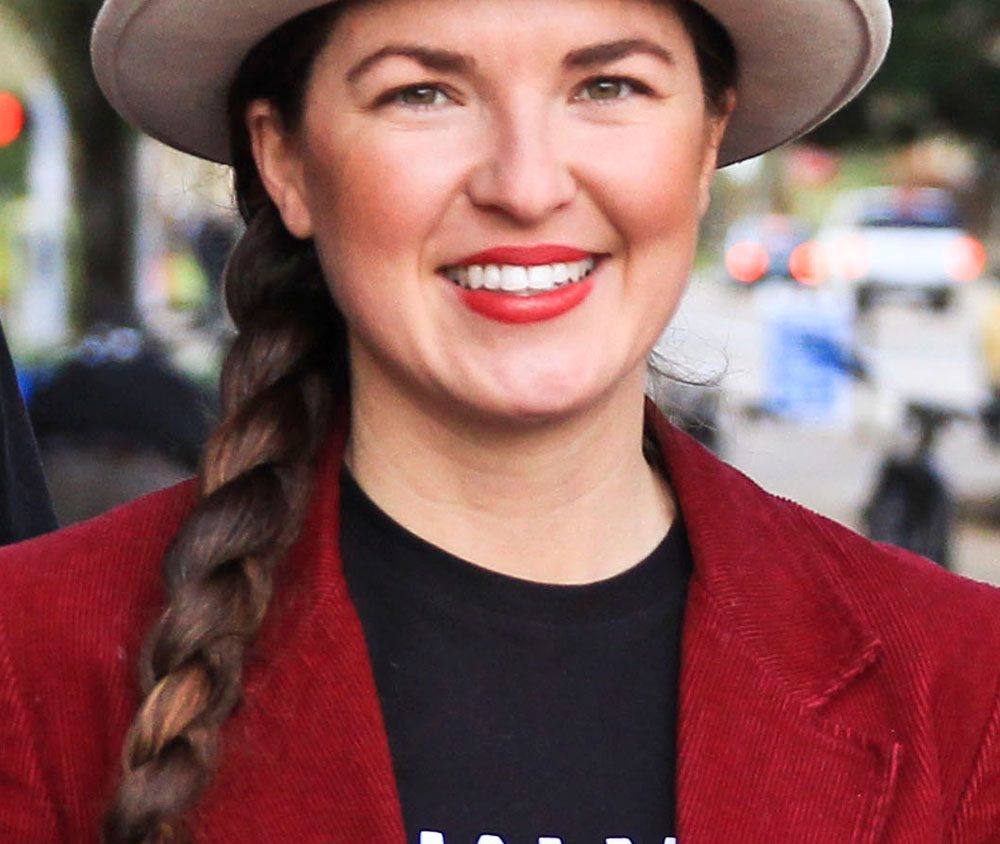
Hallie Roberts, a former middle-school teacher and tutor, wants to open a school focused on small class sizes and a more student-led and community-based teaching model.
Called The Academy of Wondrous Life, Roberts’ new school would be part of a growing movement in education called “micro-schooling.”
Roberts says she would like to limit her school to somewhere between four to seven students, as in her experience that size is ideal.
“One year I had the opportunity to work with seven seventh-graders. It was kind of a fluke when I was at Crow Middle/High School,” she says. “They usually had about 21 students per grade; there was this one grade that only had seven students.”
Roberts says of the smaller class size, “I loved working with that number of students as I got to know each one very closely, and I got to understand their learning skills and learning needs.”
Roberts, who was home-schooled as a child by her father, says the traditional public school model in the U.S. is needed and valuable, but not always a great fit for every family. She adds that it’s important for communities to have options, and she wants to fill a need that isn’t currently offered locally.
Roberts says she’s still in the early planning stages but is hopeful she can get the school up and running by the start of the 2019-20 school year. She says her curriculum would focus on a student-led approach to learning, and would be built around not only standard education, but also include elements such as having guest teachers present life-skills classes, artisan classes and other things the students are interested in.
Lane County serves 48,861 students in 157 K-12 schools, including public, charter, alternative and private schools, according to state records. Roberts says she is looking at organizing her school as a very small private school per the Oregon Department of Education (ODE) school categories.
ODE does not regulate private schools. According to ODE, private schools are not required to register with the state unless those schools take money from the state, are not required to employ licensed teachers, are exempt from compulsory education laws and are only required to “comply with requirements imposed by the jurisdiction, county, city or other locality in which it is located” and follow local health, safety and fire and codes.
“Oregon is very friendly toward families choosing their own paths toward education for their students,” Roberts says.
Roberts says she believes getting back to the “one-room” school model with children of different ages and skill levels under one roof can create a more dynamic learning environment. She says she’s looking for a location, but that she’s also open to the idea of the school being what she calls “community-based” and not necessarily anchored to one location.
“I’ve always struggled with the idea of kids going into a space and being separated from the community for 170 days out of the year,” she says.
She adds that being home-schooled meant she spent more time engaging with community as she grew up, countering perceptions that home-schooled children and children who go to small schools grow up isolated.
At this point Roberts wants to talk to families and students in the community who might be interested in the idea. As of yet she doesn’t have a website for the school but hopes to have one up in the near future.
In the meantime, Roberts encourages any families who would like more information to email her at theacademyofwondrouslife@gmail.com.