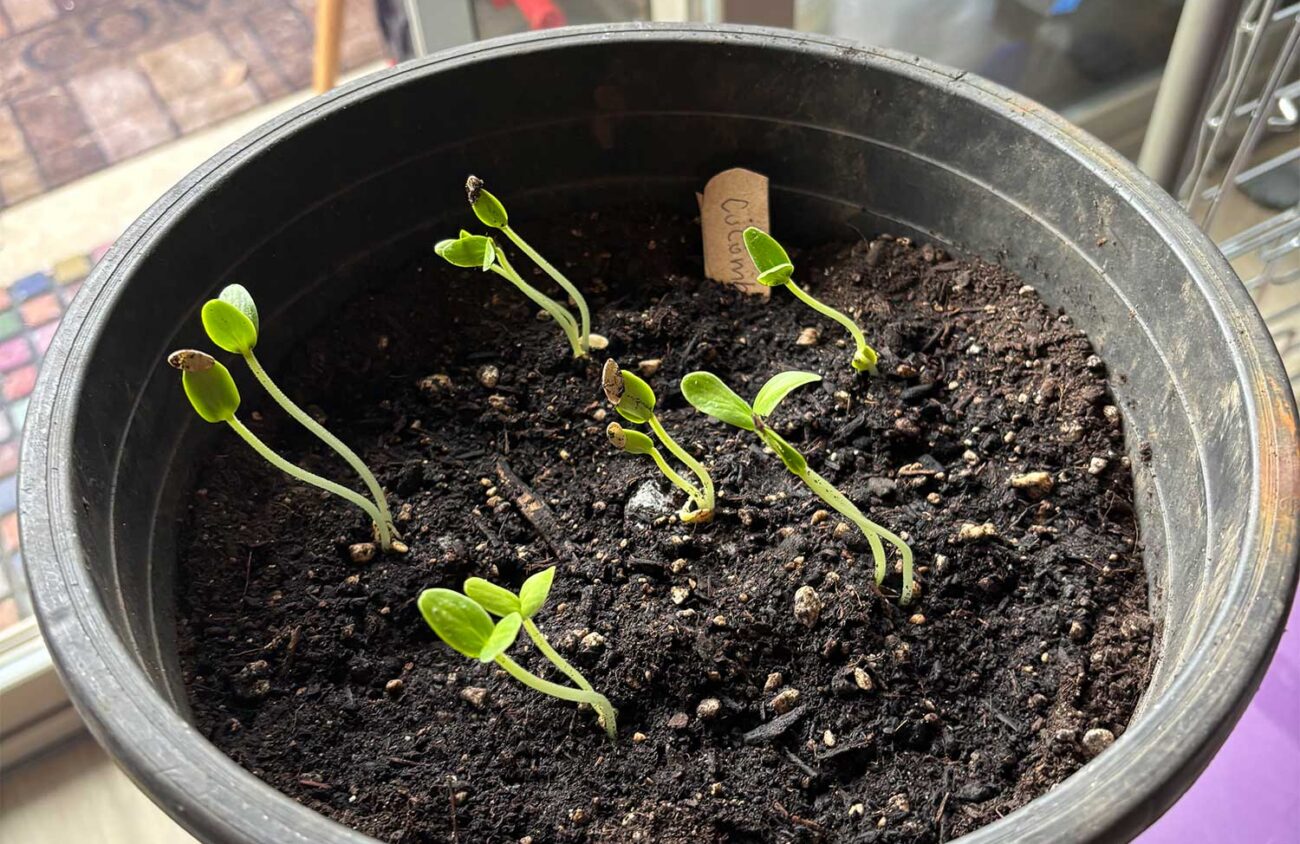
Not everyone has a backyard — but that doesn’t mean you can’t grow dinner.
In Lane County, where many people rent or live in apartments, container gardening offers a practical way to grow your own food. A sunny balcony, a strip of concrete or even a small porch can be enough space for tomatoes, herbs or peppers — if you set it up right.
Bucket gardening — commonly called container gardening — simply means growing plants in something above ground, whether that’s a five-gallon bucket, a grow bag or an old burnt-orange terracotta pot.
“I’ll just point out, it doesn’t have to be a bucket. There are all sorts of other types of pots we generally refer to as container gardening,” says Erica Chernoh, assistant professor of practice in commercial and community horticulture with the Oregon State University Extension Service in Lane County.
For Chernoh, success starts below the surface.
“The key to container gardening is really in the soil and making sure you have a good draining soil and pots that have holes in the bottom of them,” she says.
Drainage is essential. Regular ground soil is usually too dense for containers and can suffocate roots. A lightweight potting mix made for containers provides the air and structure plants need. If you’re reusing a bucket, drill holes in the bottom — without them, even healthy plants can struggle.
Chernoh also recommends mixing a dry fertilizer into the soil at planting and supplementing with a liquid fertilizer throughout the season to replace nutrients lost through watering. Size plays a role, too. Most vegetables do best in containers holding a few gallons of soil and at least a foot deep. Larger pots hold moisture more evenly and give roots room to grow. Tomatoes, peppers, beans, spinach, kale and herbs all adapt well to containers. Root vegetables require sufficient depth, and potatoes need larger vessels, but they’re doable.
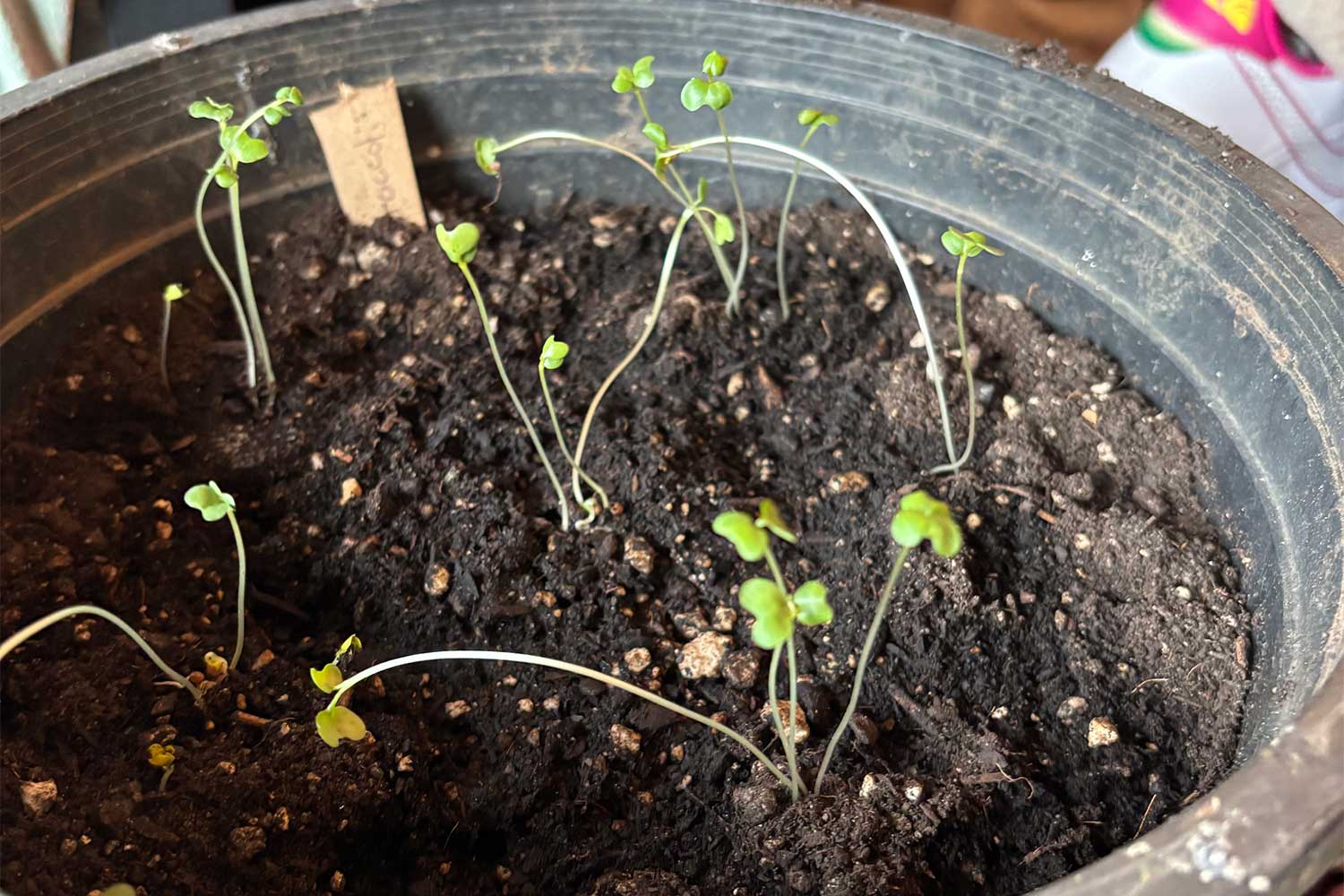
“You can grow a lot on a small patio or even a balcony,” Chernoh says.
There’s another advantage, especially with Oregon’s unpredictable spring weather.
“The nice thing about container gardening is you can move them,” she says. When warm afternoons turn into chilly nights, shifting pots closer to shelter can save a crop.
Francesca Negri, a Lane County master gardener who works in the OSU Extension plant clinic, is hosting a free “Edible Gardening: Garden Planning and Container Gardening” class in April. She says patience is especially important this time of year.
“You can grow almost anything in containers and almost any size of containers. We’re really excited — this is the first year we’ll be presenting on this particular topic. In addition to other Master Gardener and edible gardening topics, this one will be specifically related to how to grow your fruits and vegetables in various-sized containers.”
She says, “When the nighttime temperatures are around 50 to 55 [degrees], we can transplant those seedlings into pots.”
Plant too early and young starts can stall. Starting from seed is rewarding, but buying plant starters is just as effective.
Container plants require consistent attention. Pots dry out faster than in-ground beds, especially during warm or windy weather. Check soil regularly and water thoroughly when the top inch feels dry. Because nutrients wash out more quickly, fertilizing during the growing season helps keep plants healthy.
Negri says her co-presenter for the course brings firsthand experience to the topic.
“My co-presenter on this has actually been very successful with container gardening. Her name is Kim Van Hooser and she’s been growing an 18-year-old blueberry plant in a pot, which I think is remarkable,” Negri says. According to Blueberry.org, properly cultivated blueberry bushes can live up to 30 — and even 50 — years, making long-term container growing more possible than many gardeners might assume.
You don’t need specialized equipment to begin. Yogurt tubs, berry cartons and milk jugs can become planters with added drainage holes. Household items can serve as saucers or temporary frost protection. You can even turn newspaper — yes, even an old Eugene Weekly print edition, which happens to be printed with soy and vegetable-based ink — into seed pots. Soak torn paper in warm water, mash it into pulp, press it into shape and let it dry. Once planted, the entire pot can be placed into a larger container, where it will break down naturally.
On a budget? Start simple. You can pick up five-gallon buckets at BRING Recycling, 4446 Franklin Blvd., for as little as $1 each. Then head down the road to Lane Forest Products’ retail store at 3409 Franklin Blvd., where you can fill each bucket with potting soil starting at about $4 per bucket. Just like that, you could build a small container garden for $20 or less.
There’s also help available for Oregon Trail card holders. EBT benefits can be used to buy food-producing plants and seeds. According to SnapGardens.org, “If the places where you use SNAP benefits sell food-producing plants or seeds, then you can use your benefits to purchase those items. It should be as simple as that.”
Gardeners can also find free seeds at the Eugene Public Library’s Seed Library. Located on the second floor of the downtown library in a vintage card catalog — with smaller collections at the Bethel and Sheldon branches — the program offers seeds for beginners and experienced growers alike.
No library card is required. Visitors can select a variety, pour a few seeds into a provided envelope and label it using the jar’s information. To keep the collection sustainable, the library asks gardeners to take only a couple of seeds per plant they plan to grow.
Community members are encouraged to donate seeds. Purchased seeds in original packets — even partial ones — can be dropped off at the downtown library. Harvested seeds should be brought in sealed envelopes or containers with basic information attached.
No yard required. Just sunlight, good soil — and maybe a bucket.
For those seeking additional guidance, OSU Extension will host a container gardening class April 11 at 996 Jefferson St. Gardeners can also contact the Master Gardener plant clinic at 541-344-0265 or LaneMG@oregonstate.edu with questions. For more information about SNAP benefits visit SnapGardens.org.