Since becoming the third state to legalize adult-use cannabis in 2014, many local adults started practicing “Oregon sobriety.” Derived from “Cali sober,” the practice includes abstaining from illegal drugs or consuming hard alcohol.
Now, Oregon- or Portland-sober refers to a self-defined, self-monitored set of practices that could be anything from “not drinking beer unless it’s an IPA” to “smoking weed while gardening.”
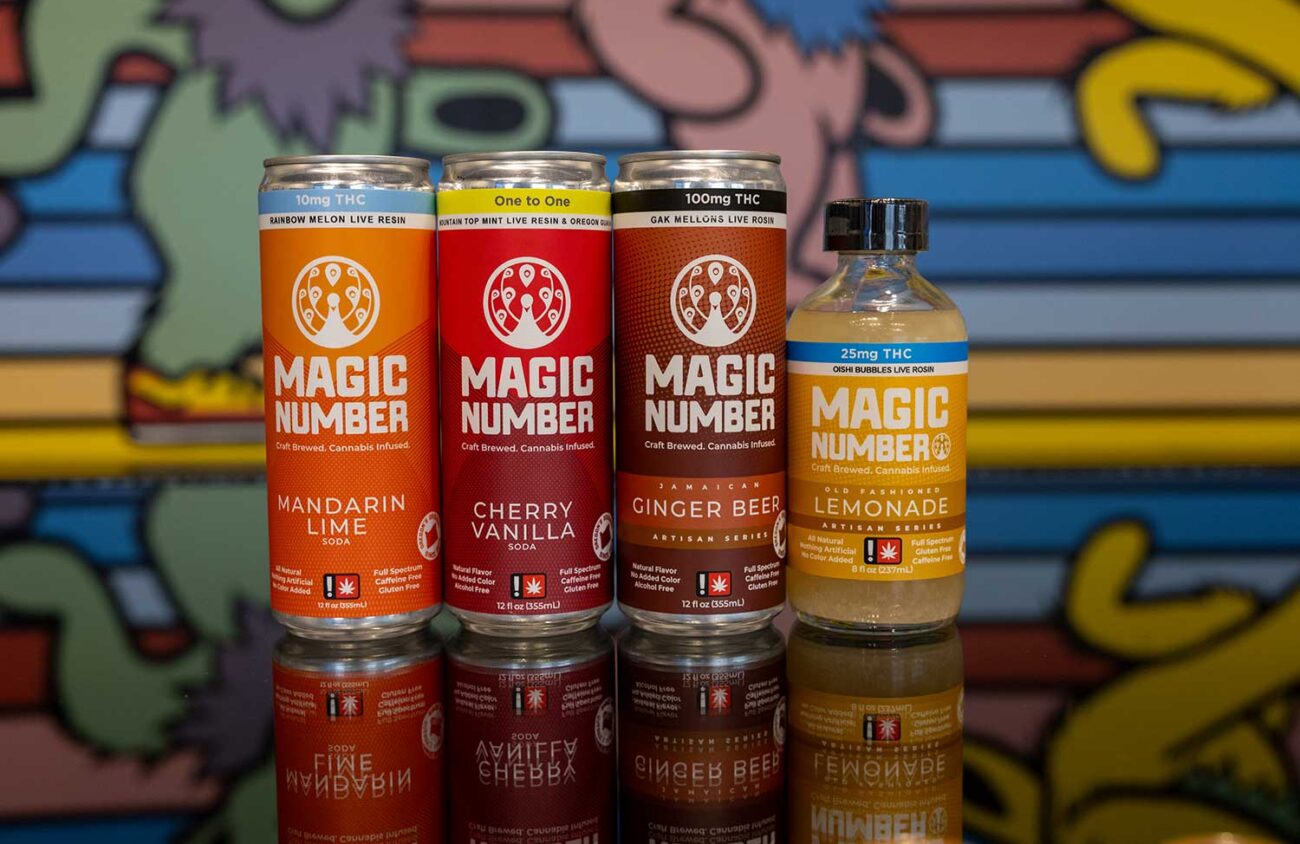
Whatever the parameters, Oregon-sober individuals might still crave a cold one. At several bars and dispensaries around Eugene and Springfield, adults can purchase a variety of drinks infused with cannabidiol (CBD) or tetrahydrocannabinol (THC).
Viktor Rzeteljski, Oregrown Dispensary manager, says of people opting into drinking their weed, “It really comes down to how you like to snack.” The variety of flavors Oregrown sells, including lemonade and fruit punch, are popularly used for mixed drinks.
Another appeal is the long- and short-term effects. While few long-term studies on the effects of cannabis exist, there are many on the liver, lung and neurological effects of alcohol. When wanting to have a good time, opting for the option that reportedly reduces stress and anxiety, and whose effects may carry over less to the following morning, is appealing.
Oregon has over 3,000 active marijuana licences and prices remain some of the lowest in the country, at about $4 per gram of flower. Hemp contains 0.3 percent or lower of THC, a psychoactive ingredient that produces a high, and CBD does not contain any THC but is derived from the same plant. Thus, drinks made with CBD can be sold to minors.
Drinks or edibles marketed with THC that contain over 0.3 percent and are intended to produce a high are 21 plus.
At Oregrown, the lowest dosage drink it carries is 10 milligrams, “definitely for our high tolerance users,” Rzeteljski says. Pubs in town, such as Claim 52 and Beergarden, sell CBD-infused drinks while beverages including THC are found in dispensaries.
Jared Yeck had recipes for ginger ale and root beer in his notebook. Eight years ago, he started Ultrapop Beverages and has been making hemp beverages ever since. The process of making the beverages starts with an emulsion of oils, natural flavors, cane sugar, filtered water, and carbonation bubbles and “out comes a tasty liquid.”
According to Yeck, the appeal for hemp beverages is that the onset is much quicker while drinking, and the effects are more gradual. And, “people just like having things in their hands and drinking liquids,” he says. “It’s been our human format for consumption for forever.”
Both Yeck and a 2025 Gallup Poll observe alcohol consumption is at a low, with 54 percent of adults reporting they consume alcohol, compared to 60 percent between 1997 and 2023. The average age of Gen-z is 21 1/2 and that generation is leading the charge of a sober-curious life.
Yet, people still want to socialize, Yeck says.
“A CBD beverage can help people feel better,” he says. “And maybe it takes away their arthritis pain or their back pain or maybe it calms them down.”
When the higher-ups proposed developing a hop water to sell commercially at McMenamins, Tucker Craig volunteered to take the reins developing the product. The company hoped to provide a non-alcoholic drink option, especially for their concert circuits.
The first drink McMenamins developed was the Trippy Tiger, a juice-based drink, and then Jam Session, a sparkling seltzer type, and they are always trying to develop new flavors. “Black cherry is a unicorn. It is cough syrup and like weird waxy candy every time we’ve tried to do anything with it,” Craig says.
McMenamins’ licenses allow it to sell hemp beverages throughout their locations in Oregon, but they cannot sell them in Washington locations, because sellers must be licensed cannabis retailers. “We have to go through a pretty rigorous labeling process where we have to turn our labels in and have them submitted for approval and have them approved,” Craig says.
With the growing popularity comes growing regulations, one being consumption of cannabis in public places under ORS 475.377. Activists and casual consumers would like to see that changed soon.
An amendment to ORS 475.377 was proposed and almost showed up on the November 2026 ballot, before members of the Oregon Cannabis Cafe Coalition removed the initiative last November. Activists’ efforts halted in order to revise and reinvigorate the proposal for a later year.
Starting in January 2026, in order to sell any hemp-derived drink, establishments need to be registered with the Department of Agriculture.
“As always, the government is stepping in and looking to take more money,” Yeck says. Ultrapop has over 1,000 retailers throughout the West Coast. “Now they’re all going to have to pay $500 a year to sell our product. I doubt, probably, that all of them are going to do that,” he says.
Visit THC Drink Finder for an interactive map on where to find Cannabis drinks in Eugene.
This story has been updated.