We had our first significant rainfall the first part of September, signaling (possibly) the beginning of the end of the dry months that are an Oregon summer. Critters are on the move, sensing the change.
In my neighborhood, many homeowners tidy their landscaping weekly and that is not beneficial for insects or birds, as insects pollinate flowers and birds eat insects as their main source of protein.
According to Cornell University, in North America we have lost 3 billion birds since 1970 and it is classified as “devastating.” It would be good for humans to do all that we can to aid birds.
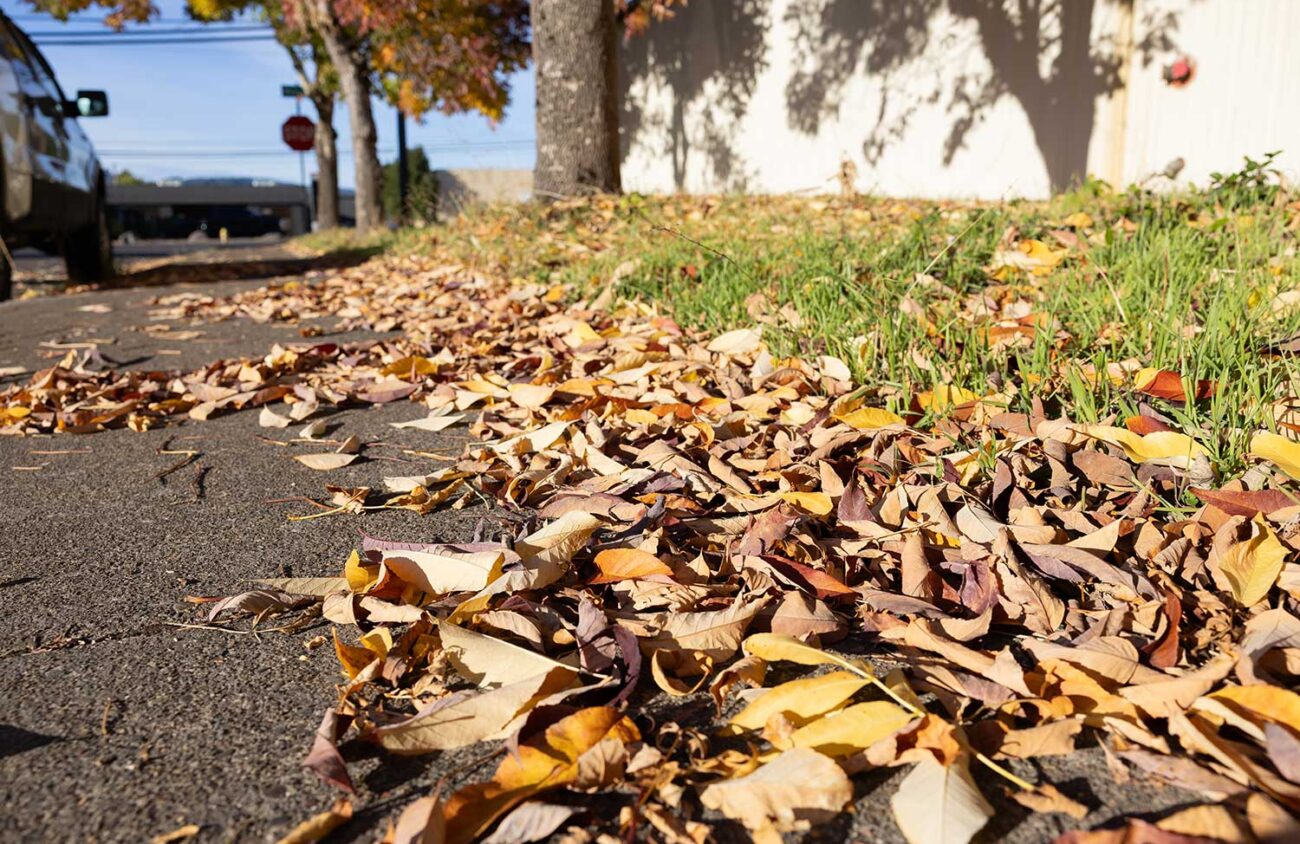
One way is to leave the leaves on the landscape.
I began this leave-leaving practice six years ago, way behind other gardeners in the area. Insects who live through the winter don’t venture far and having leaf cover can mean the difference between life and death for them. Last year, we had a hatch of hundreds of ladybugs. I had never seen that. Same thing with flying ants this year. Ants and ant larvae are yummy to birds. Consequently, we have seen more birds in our garden than in previous years.
I have seen titmice feed on goldenrod and other birds loving the seed from black-eyed Susans in mid-winter. The hollow stalks of hosta and iris are excellent hidey holes for insects. I remove them in April or May as the weather warms and food becomes more abundant for birds.
According to the Xerces Society for Invertebrate Conservation, invertebrates rely on fallen leaves and other organic debris to cover and insulate them from the elements. Whatever your landscape, make sure that resources for nests and overwintering habitat are available. This means no raking, blowing or using poisons. We won’t be spending time in our yards in the fall and winter, so let the land rest and be unattractive. Leaving leaves mimics nature and the insects will multiply in the spring, providing food for the birds.
Pollinators are another group we want to protect. At the end of summer, mated queen bumblebees burrow only an inch or two into the earth to hibernate for winter; an extra thick layer of leaves is welcome protection from the elements.
In addition, gardeners who have a lot of native plants in their yard know it’s good to have some dead and rotting wood lying around. This again mimics nature and provides a home or at least cover for garter snakes and newts. And — bonus, slugs and snails are a delicacy for these reptiles and amphibians. We have had very little slug and snail damage in the last few years. But we had a lot on our previously manicured garden years ago.
Here’s a recipe for protecting the little critters and creating healthy soil: As the leaves fall, leave them on garden beds. I even steal leaves from neighbors in broad daylight. They chuckle at me but I am getting free compost material! A 9- to 12-inch pile of maple leaves is beautiful in the yard and of course it compresses over the months. It’s a great form of weed suppression as well.
Every other spring, I will put a light covering of compost down over the winter leaves. This method builds the soil, making worms and insects plentiful as well as creating strong and healthy plants. It will also cut down the amount of water you need to use. Birds visit to forage around, and even in our very small yard, we see much diversity.
Instead of having manicured garden beds, try this method on half your beds and see how you like it and how the insects and birds like the change. It will free up your time until spring, when gardening time is at its peak.
Kim Kelly coordinates the Garden Palette, Eugene Weekly’s monthly gardening column. Send questions or tips to Gardening@EugeneWeekly.com.