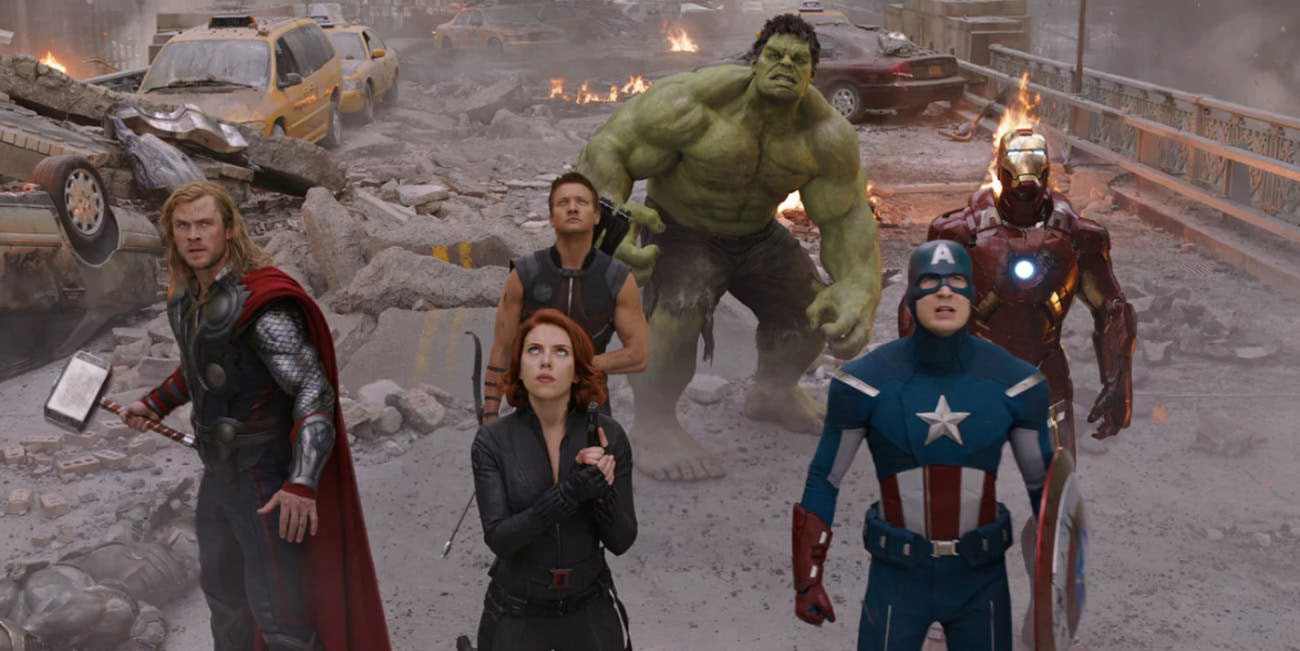
Partway through Avengers: Endgame’s three-hour runtime, our heroes are at an impasse. The team — those who remain after the events of Avengers: Infinity War — are trying to figure out how to save a day that seems unsalvageable. “Whatever it takes,” they tell each other. They sprawl in an office filled with notes, snack detritus and frustration; they grow snippy and exhausted in their grief and fury.
Sometimes what it takes, even in an overstuffed movie with a final conflict best described as “Battle of the Cameos,” is a sudden, human-sized breakthrough. (No disrespect to aliens, of course.)
Avengers: Endgame is at its best when it remembers that, under their armor and glibness and sacrifices, its characters are people. Alien people, immortal people, whatever: They had lives before they were Avengers, and some of them will have lives again.
Not all of them, of course, and some farewells are more satisfying — narratively and emotionally — than others. After 11 years, 22 movies and a gazillion expectations, it was inevitable that Endgame wasn’t going to please everyone.
It did, at least, manage to surprise me at least once. In the movie’s first third, the filmmakers focus on the worldwide trauma caused by Thanos (Josh Brolin) at the end of Infinity War. It’s an attempt to remind us and the Avengers that this grief isn’t theirs alone. It’s universal. (Where was Brie Larson’s Captain Marvel when Thanos came to Earth? There are other planets, she reminds the team, and the rest of them don’t even have Avengers.)
Endgame’s strongest moments are callbacks, reunions and recognitions: a different version of the elevator scene from Civil War; a friendship that’s survived so much; a moment that mirrors one from Infinity War’s final battle. (And, yes, a shout-out to Captain America’s ass. It’s continuity, friends.) The performances are note-perfect, even when the story lets its actors down.
And that’s both the most frustrating part and the part it’s difficult to talk about (spoilers!). Karen Gillan is a portrait of restrained fury as Nebula, but her narrative goes to a strange and unaddressed place. Valkyrie, Captain Marvel and every appearing character from Black Panther are underused; there just isn’t space for them among the long-established relationships of the original ensemble. There is, however, space to turn one character’s grief and despair into a long thread of body-shaming that should have no place in this film.
Scarlett Johansson has never been better as Black Widow, but her story resolves maddeningly — especially when compared with those of her longtime male teammates. Iron Man (Robert Downey Jr.) and Captain America (Chris Evans) get finales that feel earned, both within the Avengers arc and their own stories.
But maybe Endgame is a fitting end to this phase of the Marvel Cinematic Universe because it’s flawed; these broad-appeal movies have to please a lot of people just enough to keep us invested, and this one gets the job done. (Apparently this summer’s Spider-Man: Far From Home is technically the end of this MCU phase, but Endgame feels like a farewell.)
You can — and I do — nitpick the “science,” try and fail to apply logic to parts of the plot, get angry about failures of representation and empathy — and also burst into spontaneous applause when a certain character finally gets to rejoin the fray.
This Avengers story has 11 years of baggage. I hope that in the next phase they can set that baggage down and take off to superhero heights we’ve not yet seen.