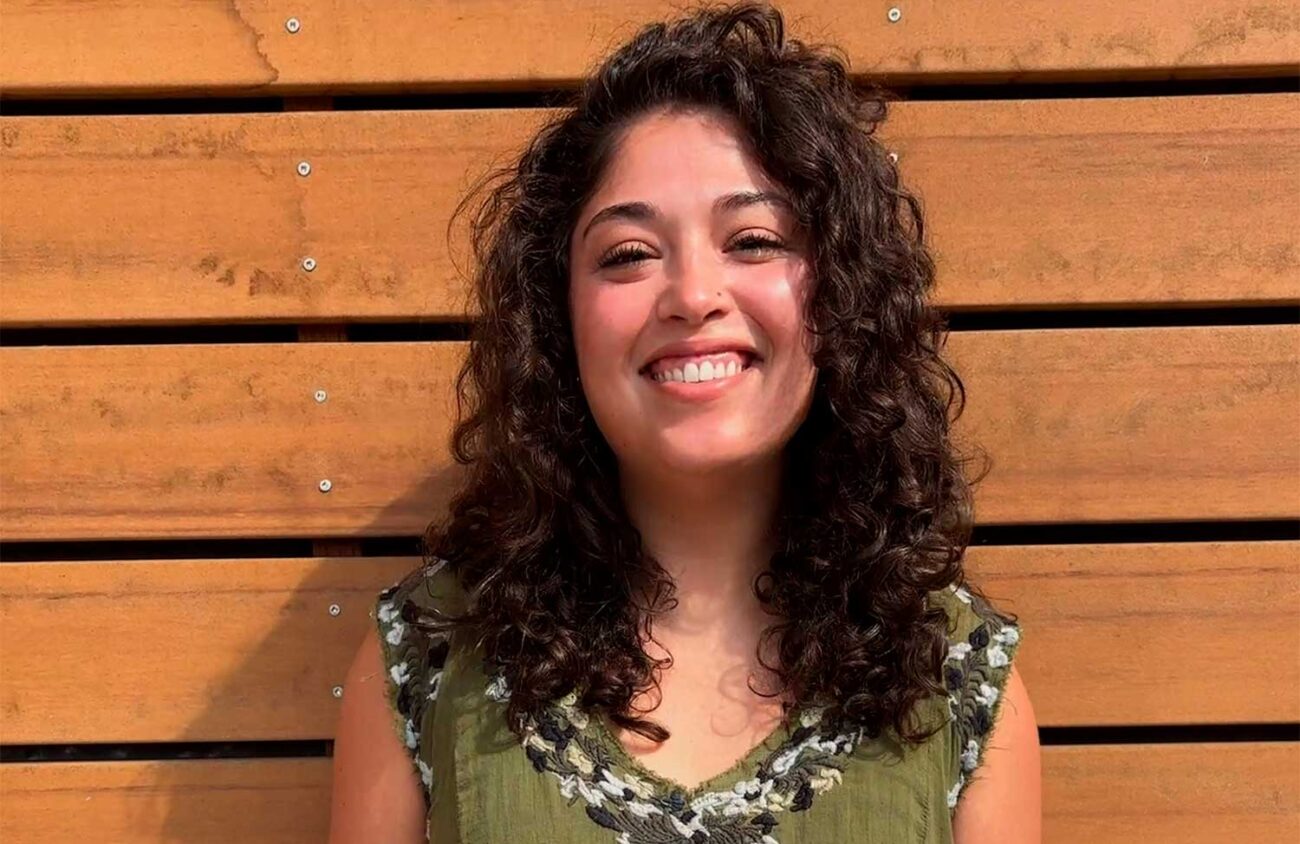
A new podcast from University of Oregon School of Music and Dance students seeks to broaden the definition of traditional Western music theory and examine diverse perspectives on how music gets made as well as whose music is heard in academic and professional settings.
Kasey Lynch and Kaitlyn Clawson-Cannestra, both UO doctoral students studying music theory, host From the Margins — What Music Theory Doesn’t Want You To Know.
Made possible by the Cykler Song Scholars research grant, four episodes have been released, with new installments on Fridays twice a month in the project’s 12-episode first season.
Clawson-Cannestra comes from a classical music background, while Lynch is more interested in pop music — like Chappell Roan-pop, she tells Eugene Weekly, alongside Lynch, in an interview.

What Lynch and Clawson-Cannestra say they do agree on, however, is that in their undergraduate and graduate music studies, music theory is very white male European dominated, according to Lynch — think the canon of classical male European composers from the 17th and 18th centuries and beyond — and they felt excluded.
“We are both the opposite of those things,” Lynch adds, “We thought that could also be like an interesting through-line.”
From the Margins’ first two episodes, “A Tale of Two Academies,” contrast music making and music education in academic settings such as colleges and universities with how music is created and valued in the mainstream music industry, exemplified by the Recording Academy of the United States, the organization behind the Grammys.
But it’s not just composers, Clawson-Cannestra says. She says the show examines, “Who gets professor positions in our discipline,” and who we hold up as authority figures, such as past music theorists who developed the methodology of how music is heard.
Meanwhile, the first season’s fourth episode, “Vocal Timbre & Identity,” discusses how vocal training translates to the sound of a singer’s voice — the vocal fry common in current pop music, for example, versus the cultural capital of classical vocal technique — and how listeners respond to both.
Not to mention, in the age of algorithms, with so much music written with computers these days, what value do notes on staff paper still have?
But how can music theory, both tonal and atonal — which at a basic level is the 12-pitch Western scale and system of harmony, among other more technical examples, and let’s face it, among humanity’s greatest art forms — limit students and listeners from diverse backgrounds, including women and people of color?
Western music theory is so universal, thanks in no small part to colonialism, we forget it is just a theory, after all. There are entirely different systems of music-making — notably, but certainly not exclusively, the potent and viable Indian raga and tala melodic and harmonic framework, which can, because of how music is most often taught and produced in the mainstream, sound unusual to ears accustomed to the European tradition.
Limit how music theory is taught and limit the music that gets made, the podcast asserts.
But you don’t have to be a high-brow music theory academic to enjoy the show. Lynch and Clawson-Cannestra, friends first, podcast-hosts second, are chatty and charismatic, and the episodes are filled with interesting insights about music, the pop music industry and more.
If you are a music educator, the pair have developed lesson plans for ways to apply topics they cover in the classroom, available on the From the Margins website.
Stephen Rodgers, UO professor of Music Theory and Musicianship and Edmund A. Cykler Chair in Music and Academic Music Chair, helped create the Cykler Song Scholars research grant awarded to Lynch and Clawson-Cannestra and has mentored the project.
“Kasey and Kaitlyn have discovered that podcasting is the perfect medium for them to dig into the ideas that they’re most passionate about,” Rodgers tells EW in an email, “spotlighting the voices of people that have been marginalized; making music theory more accessible and inclusive,” he says.
Rodgers adds, “It’s for anyone interested in thinking more broadly about the music we teach and study, and the ways we teach and study it.” And referring to Lynch and Clawson-Cannestra, he says, “I look forward to saying, ‘I knew them when!’”
Four From the Margins — What Music Theory Doesn’t Want You To Know episodes have been released, available on most major podcast streaming platforms, with new installments out twice a month on Fridays in the 12-episode first season. The show’s second season is in the works.