You may already know you can grow zucchini, potatoes and tomatoes in a bucket — see the Weekly’s March 5 Home & Garden edition — but did you know you can brew your own wine at home, too? Just maybe remember to use a different bucket.
Across Eugene and the Pacific Northwest, home fermentation is becoming a creative hobby for people interested in crafting their own beverages. While craft beer often dominates the conversation, DIY brewers are making way for cider, mead, wine and even kombucha. In that list, fruit wines are quietly gaining popularity among hobbyists experimenting with berries, orchard fruit and backyard harvests. In a region where blackberry bushes grow wild along sidewalks and river paths, turning fruit into wine feels like a natural next step.
Making it from home can include some odd ingredients; a quick search online included some rather unique blends, such as “How to Make Super Cheap Homebrew Kool Aid Wine/Alcohol/Kilju” on Instructables.com or “Pickle Beer” on BrewersFriend.com.
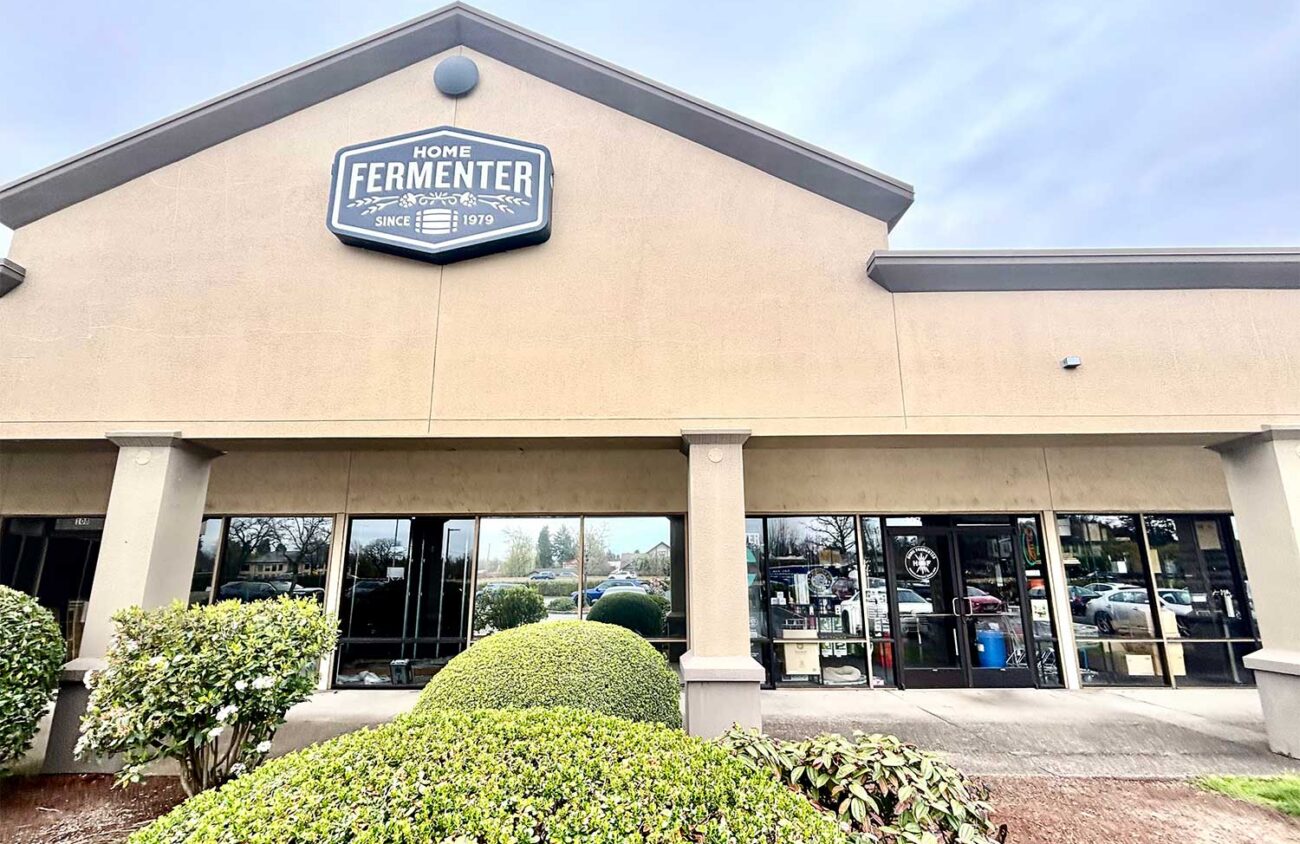
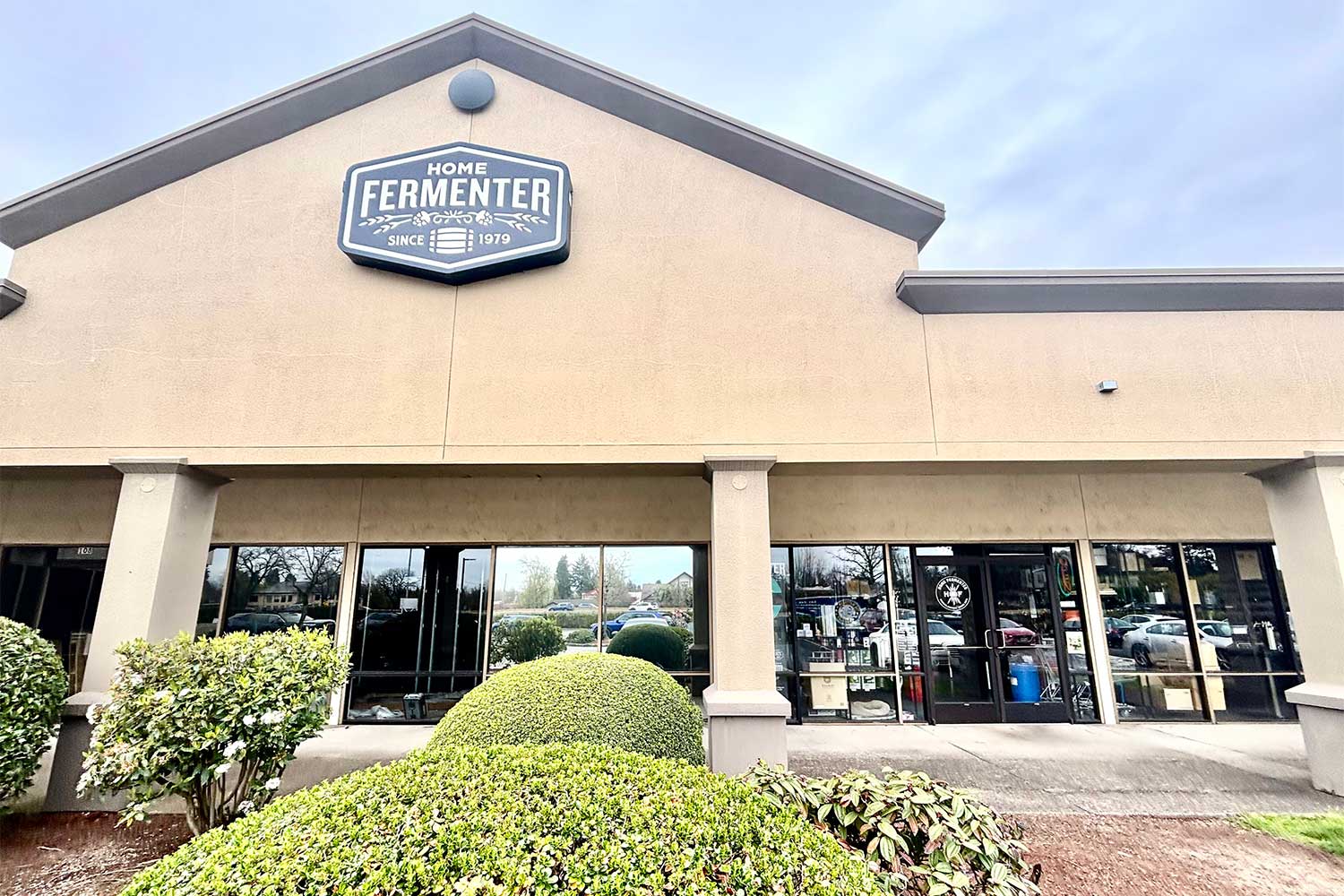
However, for many beginners in Eugene, the journey starts at The Home Fermenter, a family-owned shop that has supplied fermentation equipment and ingredients to local hobbyists since 1979 at 1011 Valley River Way.
Christian McGirr, manager at The Home Fermenter, says getting started doesn’t require complicated tools or professional equipment.
“It can be as simple as just a bucket,” McGirr says. “And then typically a carboy or a jug to finish it up in.”
For those who want an easier starting point, the shop sells starter kits starting at about $55, depending on the type of brew — a relatively small investment for a hobby that can last years.
Making wine at home begins with mixing fruit, sugar and other ingredients into a container. Brewers often add sulfites at the start to eliminate unwanted bacteria before fermentation begins.
“The next day you pitch your yeast,” McGirr says. “You’ll let it ferment in that bucket for about a week or so, and then you’ll move it into a carboy.”
From there, patience becomes part of the process. “It can kind of sit in that vessel for a month or a year or even two until you wanted to bottle it,” McGirr says.
For first-timers, safety is often one of the biggest concerns, but McGirr says modern sanitation methods make fermentation safer than many people assume.
“It’s been something that’s been done for thousands of years,” McGirr says. “Nowadays, everything’s pretty safe.”
Cleaners, sanitizers and sulfites help eliminate harmful microbes before fermentation begins, and serious risks are rare when proper steps are followed.
“I think there’s an average of about four cases of botulism in the U.S. a year,” McGirr says. “Once you get past the initial day of fermentation or so, there’s pretty much no way botulism can grow.”
According to the Centers for Disease Control and Prevention, about 20 to 25 cases of foodborne botulism are reported in the U.S. each year, with typically zero to three deaths reported annually.
For many hobbyists, McGirr says, the biggest challenge isn’t safety — it’s getting the flavor just right.
“I think the biggest worry is just making something that doesn’t taste too good,” he says.
While grape wine is often what comes to mind first, fruit wines have carved out a strong following in Eugene and across the PNW, where berries and tree fruit are widely available during harvest season.
“A lot of people, when you think of wine, you just think of grape wine,” McGirr says. “But especially here in Eugene and the Pacific Northwest in general, fruit wine is really popular.”
Strawberry, elderberry, blackberry, peach and fig wines are just a few of the possibilities. Many brewers start with whatever fruit they have access to — backyard harvests, farmers’ market finds or seasonal surplus. In Lane County, that often means working with whatever is ripening faster than neighbors can give away.
McGirr says fruit wines can stand alongside more traditional varieties.
“Fruit wines still hold up to the fancy wines,” he says.
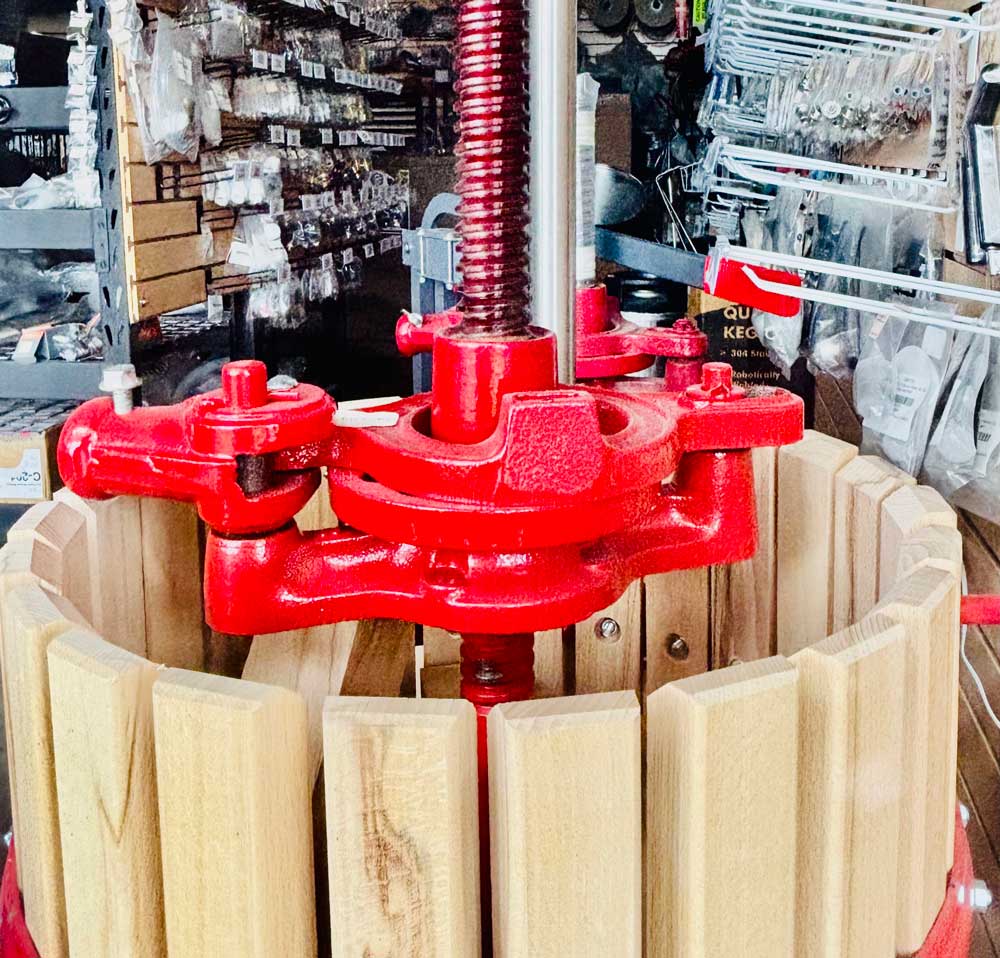
Like gardening, home wine-making rewards patience and curiosity. Small changes in ingredients, fermentation time or aging can dramatically affect flavor, making each batch unique. For many brewers, the reward comes months later — opening a bottle filled with the aroma of berries, orchard fruit and late-summer harvests.
Beyond wine, Eugene’s brewing culture also thrives through local clubs that help hobbyists connect and improve their craft.
The Cascade Brewers Society has been bringing local brewers together for more than 40 years, making it one of the longest-running home brewing clubs in Oregon. Members meet regularly to share techniques, compare batches and talk about everything from beer and mead to cider and other fermented drinks.
Robert Hambrick, Cascade Brewers Society president, says the club provides both a social outlet and a learning space for hobbyists at all skill levels. For beginners who feel intimidated, Hambrick says brewing is more approachable than many people expect.
“If you can boil water, you can make beer at home,” Hambrick says.
Hambrick, who has been brewing since 1997, says the process relies on just a few basic ingredients — water, malt, hops and yeast — making it one of the simplest forms of fermentation to learn.
“We have internal club championships where we’ll brew a beer or a mead or a cider to a certain style,” Hambrick says. “Then judges who didn’t enter will do blind judging and score it.”
Some competitions extend beyond the club itself. Hambrick says Cascade Brewers has hosted events open to brewers from across the country, including competitions featuring entries from around the nation.
“You can brew beer just for your own enjoyment, or you can be a competitive brewer,” Hambrick says. “You’ll find a channel to pursue that.”
Meetings are held monthly, giving newcomers a chance to learn from experienced brewers, ask questions and taste different styles.
The Home Fermenter, 1011 Valley River Way, is open 10 am to 5:30 pm Tuesday through Friday and 10 am to 5 pm Saturday. Closed Sunday and Monday. Call 541-485-6238 or email info@homefermenter.com The Cascade Brewers Society meets at 7 pm on the last Monday of each month at Claim 52 Brewing. Learn more at Cascade-Brewers.com.