By Eve Weston and Seira Kitagawa
The newest Lane County clerk says he’s committed to ensuring Lane County has safe and fair elections. To bolster public trust, Tommy Gong took Eugene Weekly and other reporters for an exclusive tour, May 15, of the Lane County Elections office where ballots are counted.
There, Gong revealed the steps Lane County takes to ensure ballots are accounted for every step of the way, from when they first enter the door to the final count for the May 19 primary election.

Gong says he’s satisfied with the measures Lane County has in place to protect the integrity of ballots both on-site at election locations and in the 21 drop boxes around the county. “I would say that we’ve instituted more security measures than I’ve seen over my years in elections and it’s very comforting to see the additional efforts that we’ve been making,” he says.
Gong adds that mail is currently transported to Portland before being postmarked, which could invalidate ballots if they’re not stamped before or on Election Day. He says he’s coordinating with the U.S. Postal Service to pick up ballots directly from the Eugene processing center before they’re sent to Portland.
Election officials now recommend voters mail their ballots at least a week before Election Day.
Oregon began its vote-by-mail program in 1998, becoming the first state to adopt the process. Now, it’s the primary electoral method for eight states and Washington D.C.
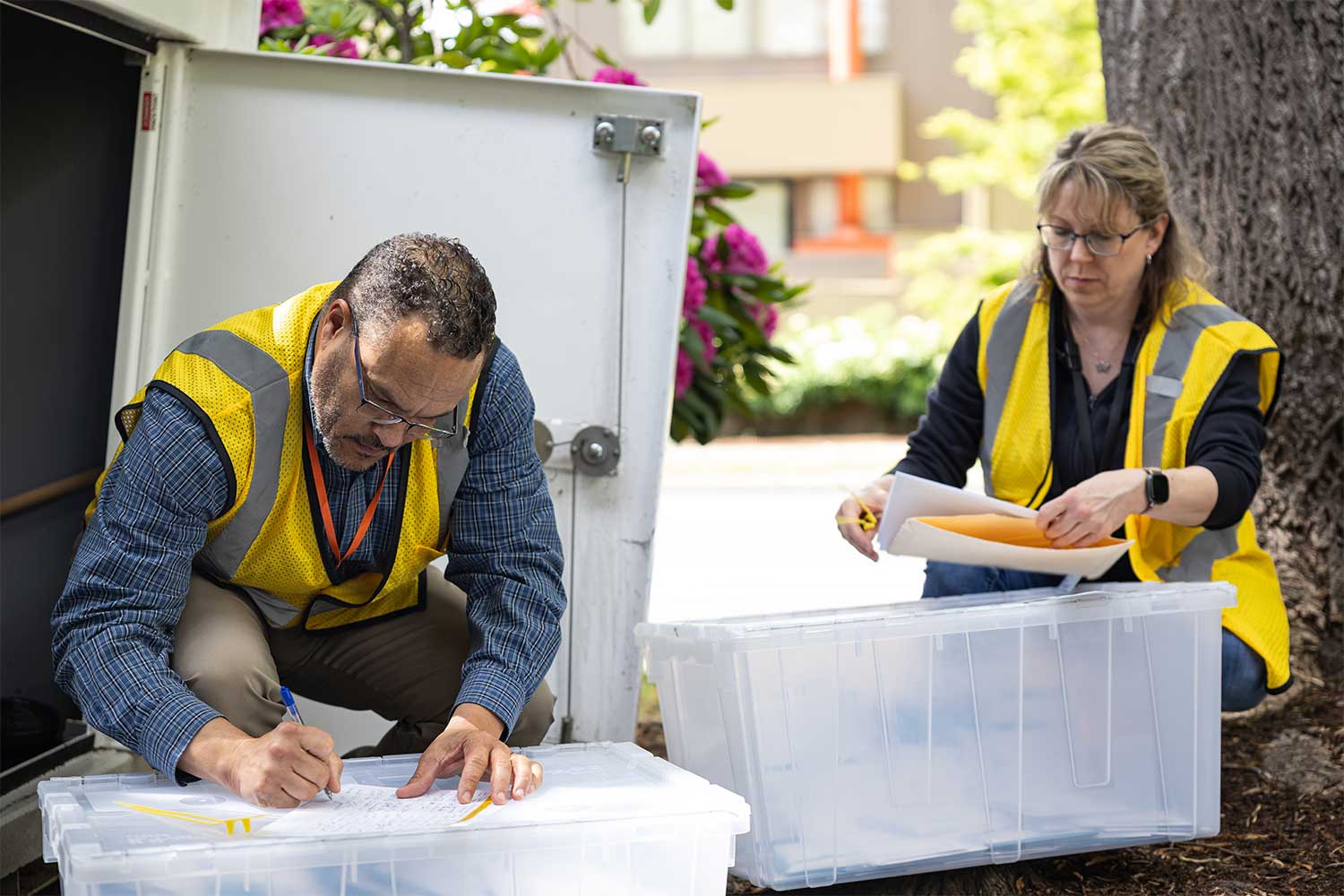
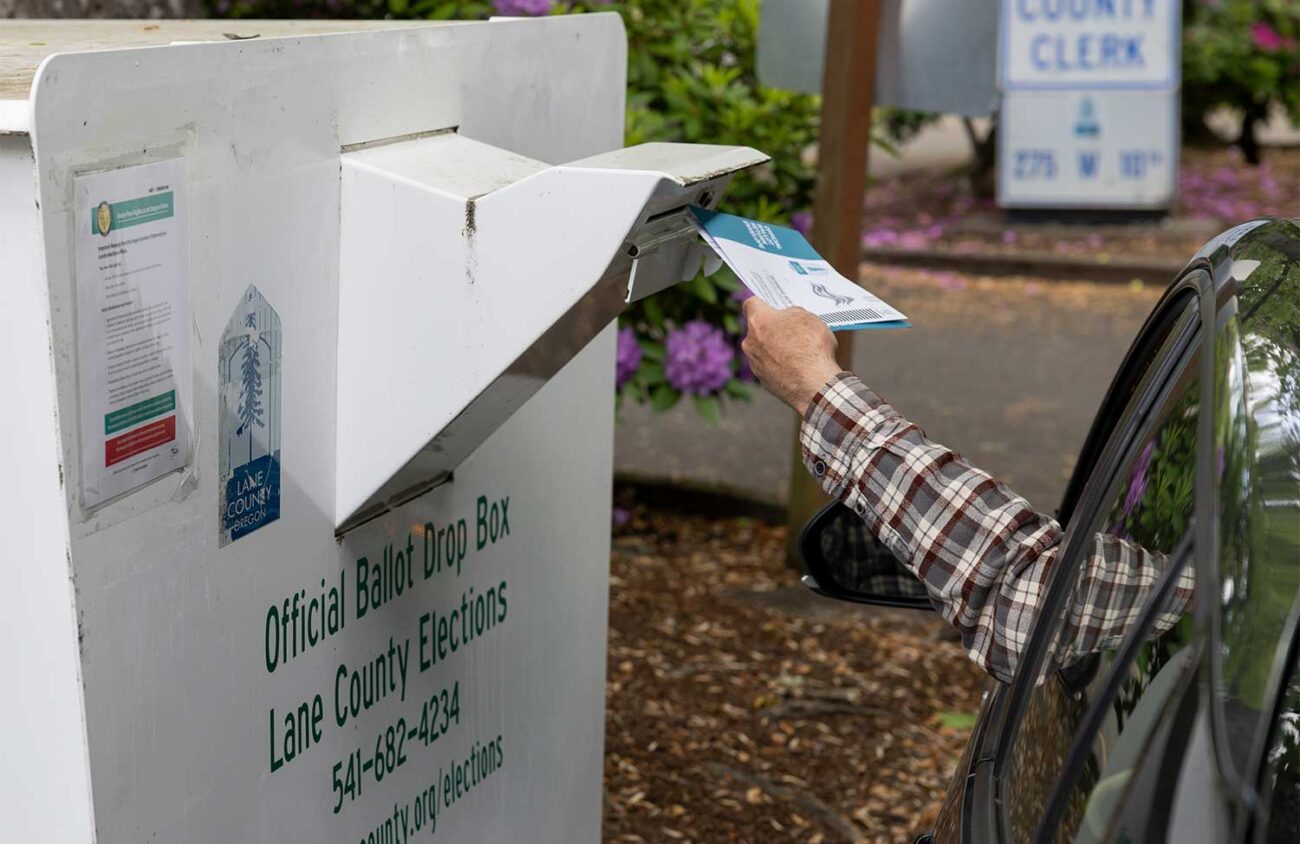
Lane County ballots arrive at the Elections office in three ways: by mail, through drop boxes or in person at Elections office.
To collect ballots from drop boxes, two election workers arrive at a scheduled time to collect and seal the ballots in hard containers. Gong says each worker must be of a different political affiliation to guarantee integrity. “We’re always keeping each other honest,” he says. Once the ballots are sealed, they are transported back to Lane County Elections where the counting process begins.
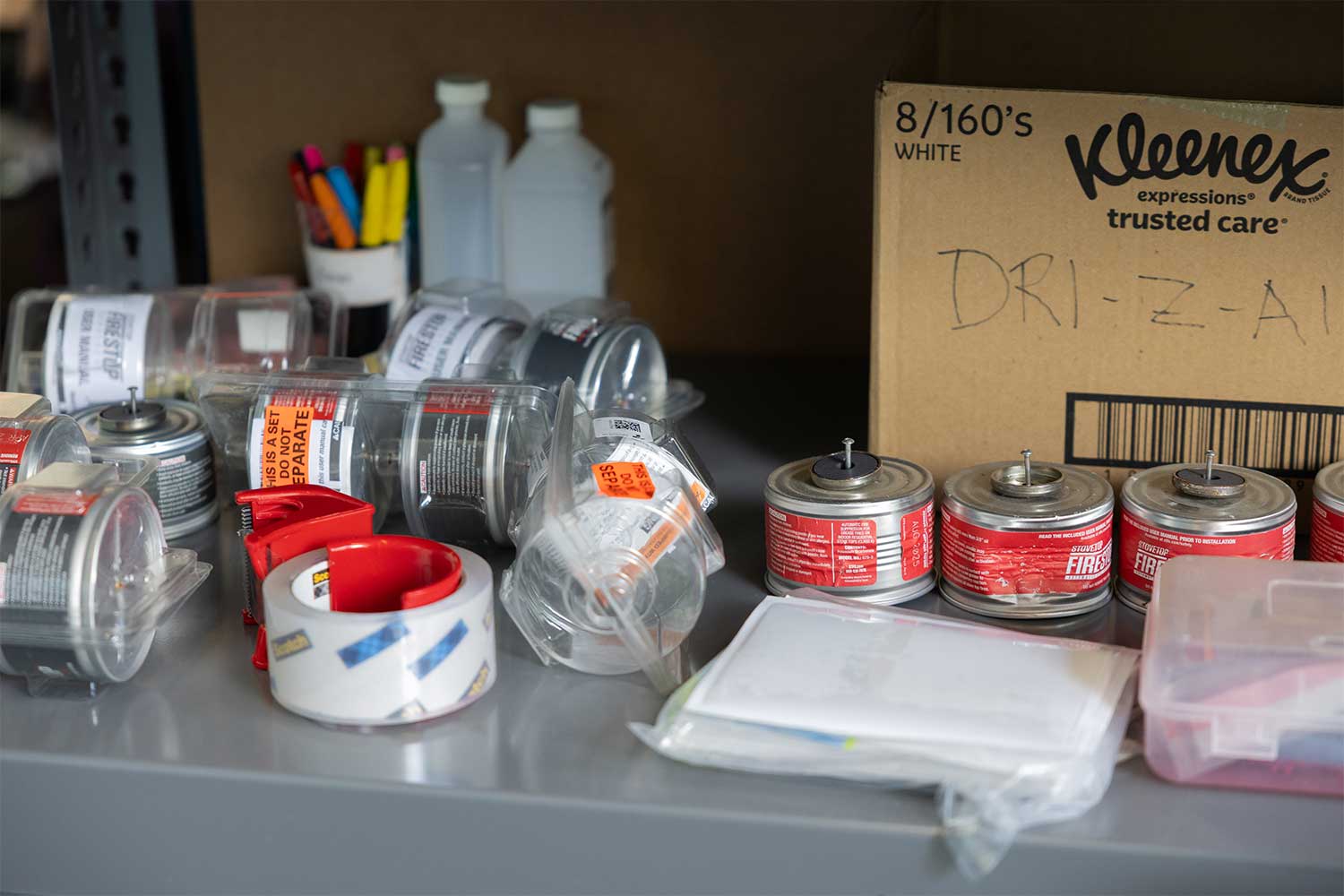
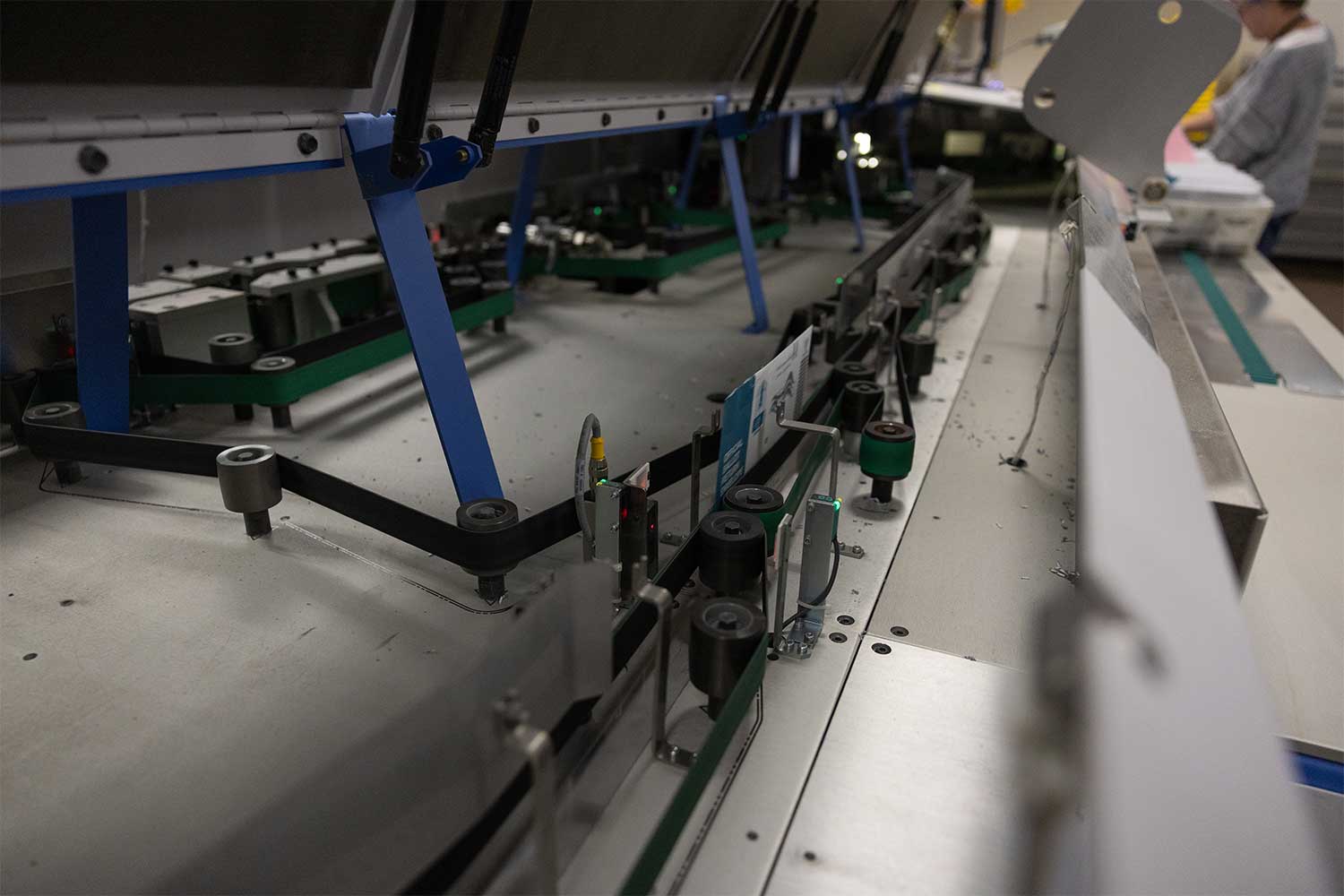
First, elections workers ensure the ballots are facing the correct direction and are stacked appropriately so they can be fed through the ballot counting machine. Then, they’re transported to a secure room that can only be opened by two people. The same requirement of two workers having different party affiliations applies in the machine room and every other room. Ballots are fed into a machine and sent down a track where the signatures and serial numbers are electronically scanned.
Gong says the machine verifies 35 to 45 percent of the ballots passed through it, while the remaining signatures are sent for human verification. For those requiring further verification, a human compares the scanned signature on the ballot to a signature on file either from a driver’s license or other official document. If a signature cannot be verified, it is sent to a second review team.
If the signature is still unverifiable, a “cure” letter is sent to the voter to give them a chance to correct the error. “They have 21 days after Election Day to be able to cure their ballot status,” Gong says.
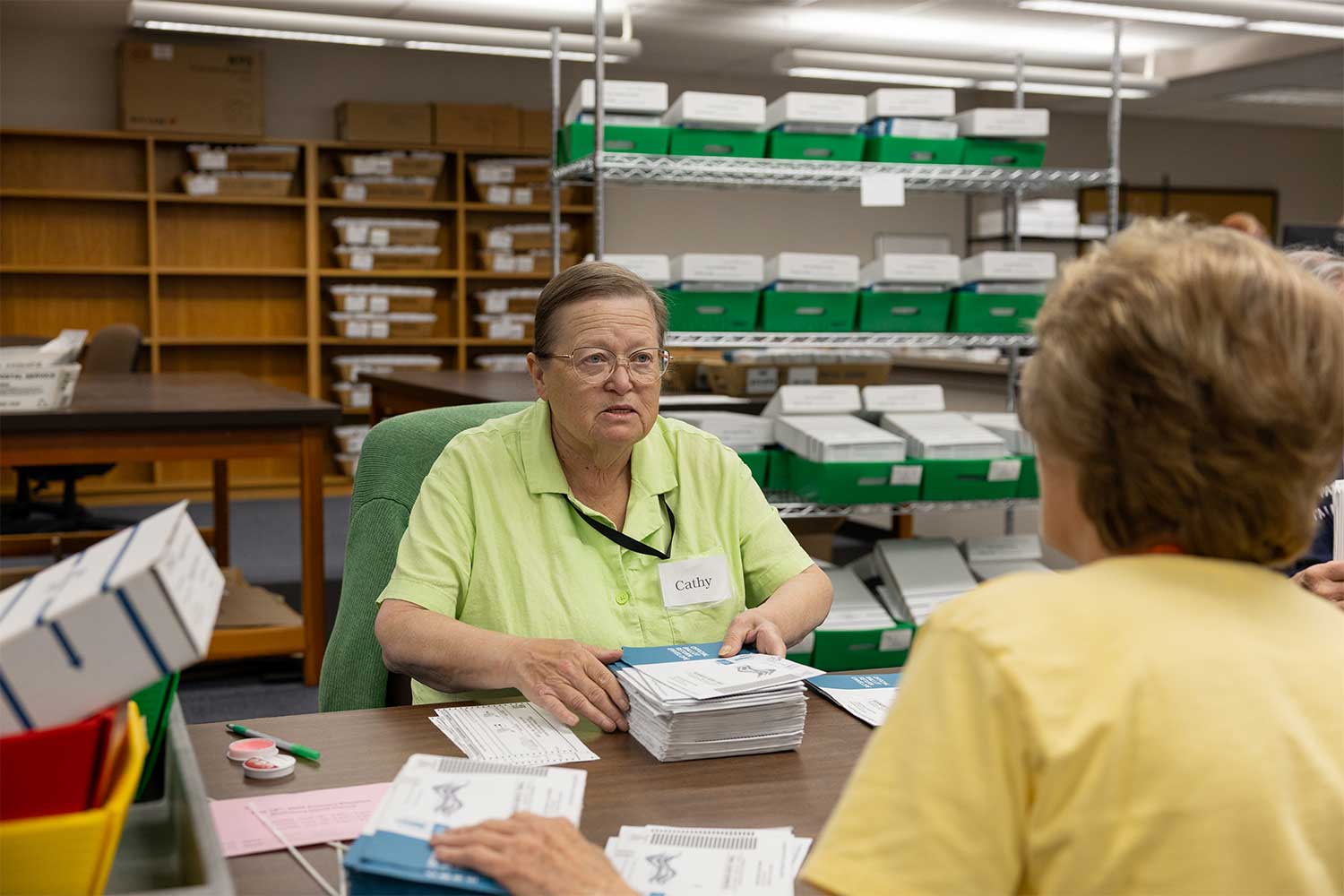
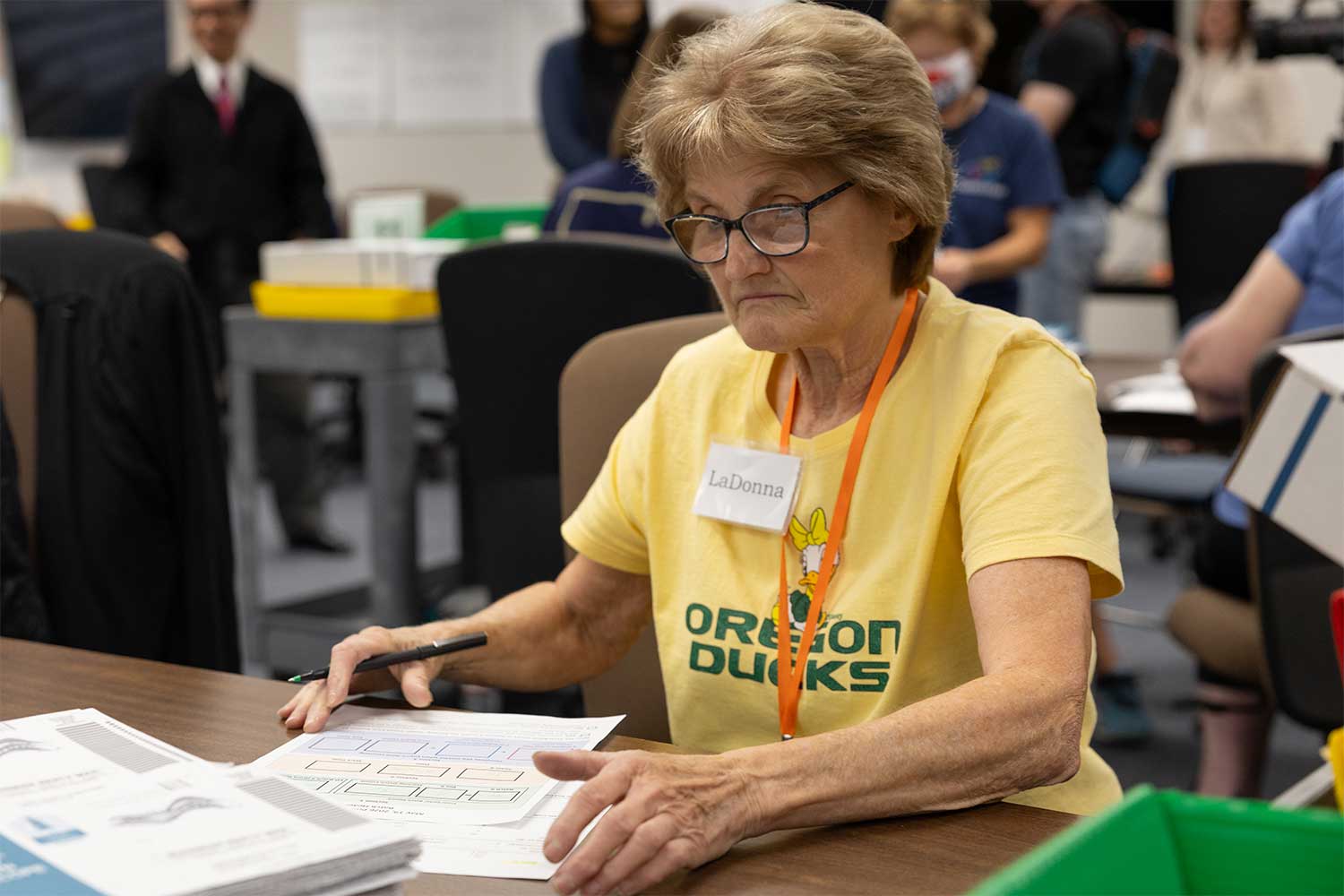
Once ballots pass the inspection process, they are “deconstructed” by hand. This involves removing the ballot from its envelope and sorting the ballots to be sent downstairs for the final count. Some workers, like Cathy McClain, have been deconstructing ballots for 19 years.
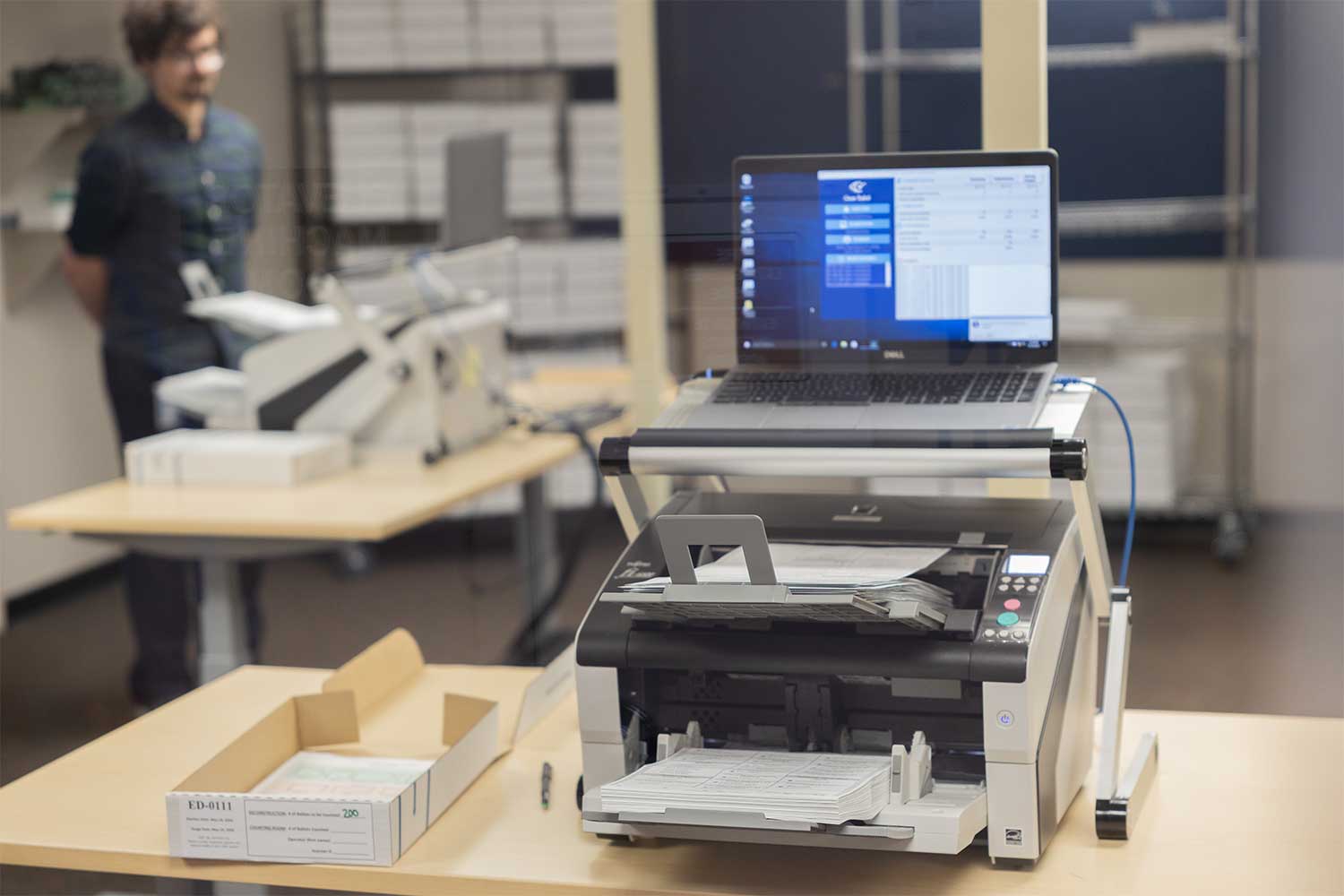
Downstairs, in a secure room that has no access to the internet, ballots are electronically scanned then stored in boxes to be kept for 22 months for federal elections and as short as six months for state and local elections.
Tuesday, May 19 is Election Day, the last day voters can turn in their ballots. Preliminary election results start being posted 8 pm May 19.
Watch ballot processing on the Lane County Elections live stream here.