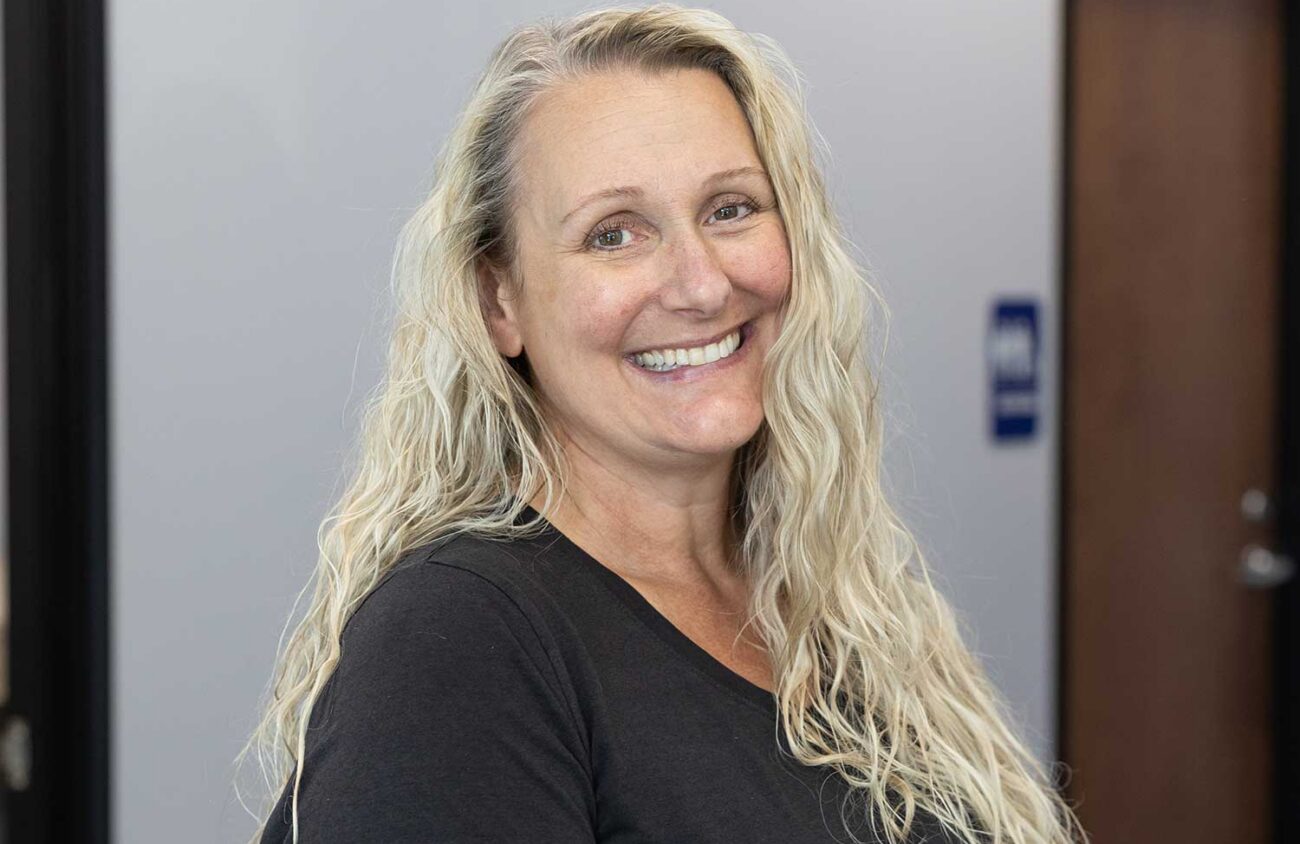
Local veterinary providers say corporate-owned vet practices are becoming more common as the cost of operating an independent practice increases.
Vets say cost of medications and increasing economic pressure are leading many clinics to sell their companies to larger entities to survive. A 2025 study by the Journal of the Agricultural and Applied Economics Association revealed that corporate-run veterinary practices accounted for approximately 30 percent of the U.S. market in 2022.
The same study revealed that the entry of corporate practices can harm independent clinics, causing a 5.7 percent drop in employment and a 6.9 percent drop in revenue.
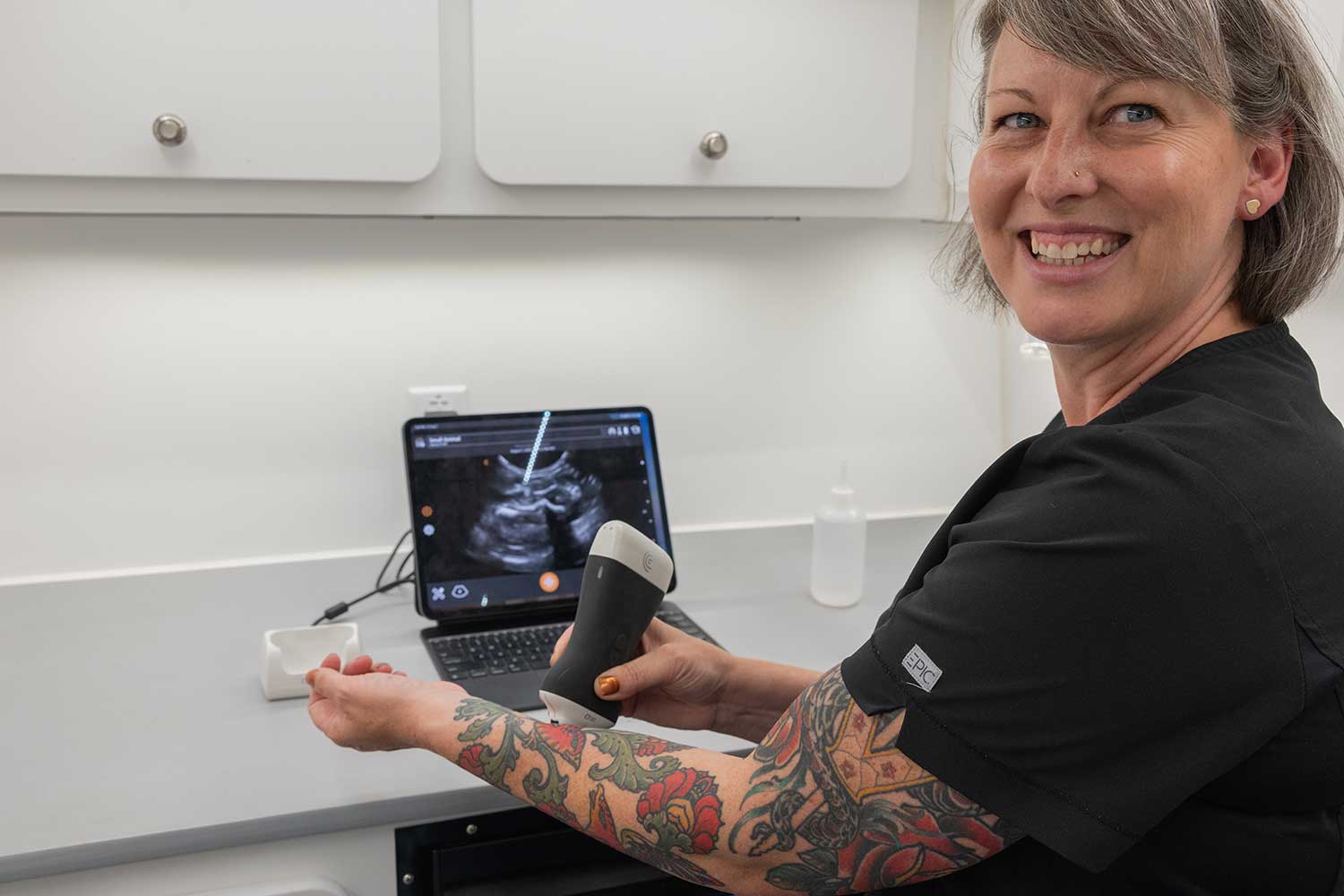
Dr. Amber Schofield started The Mobile Vet House Calls for Pets two years ago after the closure of Eugene Mobile Vet, which was purchased in 2022 by BetterVet, a Massachusetts-based corporation. BetterVet later merged with a Delaware-based company, The Vets, which ceased operations completely in July 2025.
Schofield says when Eugene Mobile Vet was purchased by BetterVet, “everything changed overnight.” She says prices went up, clients couldn’t get hold of their veterinarians and staff was overworked. Instead of calling a mobile office, Schofield says clients would reach a call center “somewhere in Minnesota or across the country.”
Schofield says she founded The Mobile Vet because “no one wants that corporate experience, you’re being sold things you don’t need and didn’t elect for.”
During her first year of business, when BetterVet was still operating, she says it was difficult to compete with the corporation’s pricing and capacity. “It was a big David and Goliath moment,” she says, where she realized, “I just have to keep hitting the pavement.” Today, Schofield owns a $300,000 fully-converted Mercedes-Benz Sprinter van complete with the equipment for minor anesthetic procedures, dentistry, ultrasound and radiographs.
Andria Saxon, a certified veterinary technician and certified veterinary practice manager, is the co-owner of Pawsitive Wellness Veterinary Care. Saxon founded the Eugene-based practice in 2018 after the previous clinic she was working for sold to a corporation. Like Schofield, she did not want to lose the personal touch of a locally owned practice. “I was more resistant to the distance between the people caring for the pets and the people making the decisions,” Saxon says of corporate ownership. “If doing what’s right might harm me financially, I’m willing to do that.”
Schofield says big corporations are able to negotiate costs of medications with pharmaceutical manufacturers. “I’ve got no negotiating leverage as a small business so whatever a vaccine costs, I’ve got to pay for that and then the client pays slightly higher prices with me.”
“We can get it, and we can sell it to our clients and we make a little bit off of it. But it is not anything near what they are offering the corporate practices,” Saxon says.
Schofield uses a variant of the feline rabies vaccine that lowers the risk of adverse reactions. Each set of doses costs her approximately $500, meaning she has to charge clients almost $100 for vaccinating their pet. “I bet it costs a Banfield like half that,” she says. For a consultation, Schofield charges $109 plus an additional $89 travel and concierge fee. Banfield is the largest privately owned veterinary practice in the United States, operating under Mars Incorporated — known for its confectionery treats like M&M’s, Mars owns a large number of pet-oriented companies.
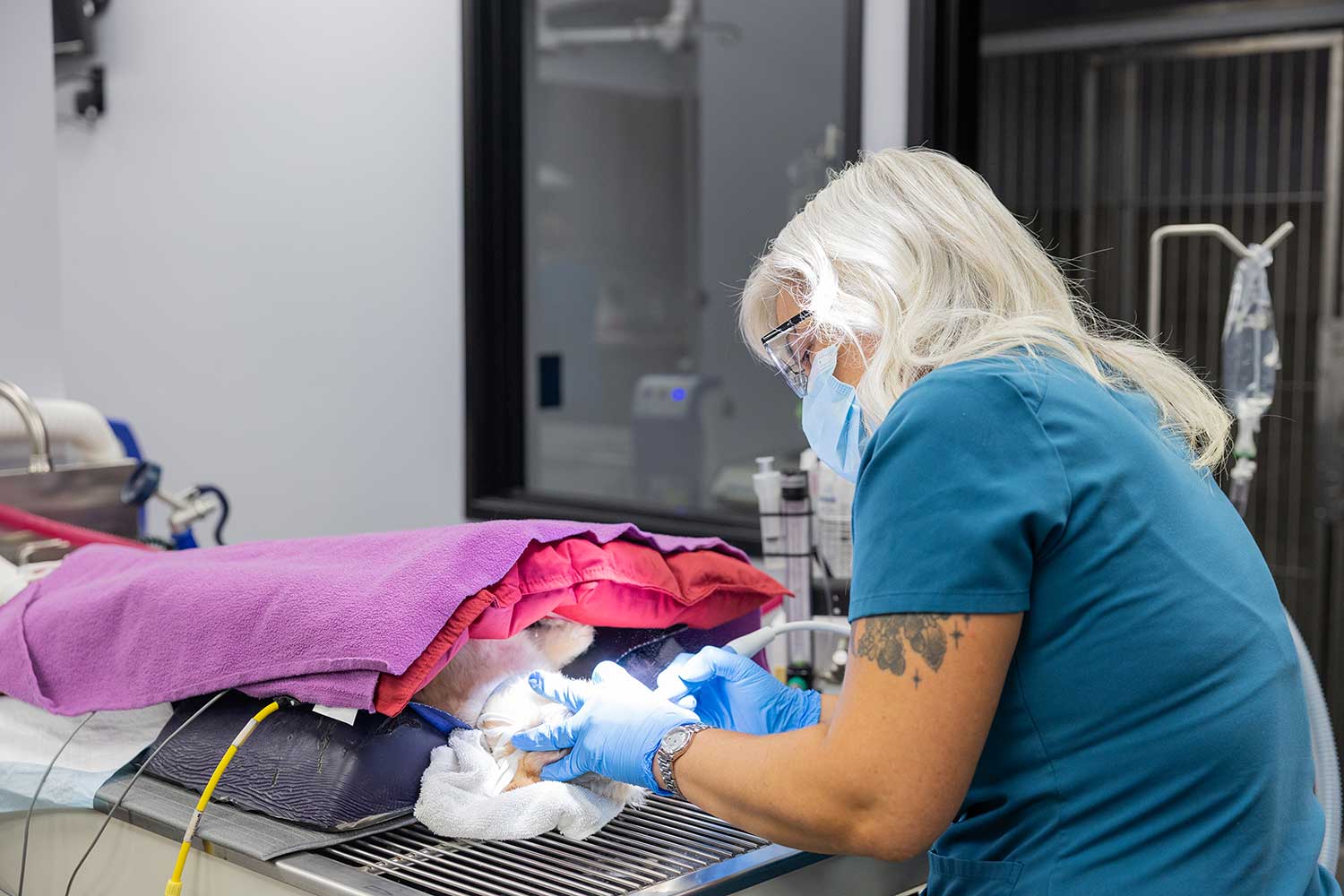
Even with cost barriers and higher work load, Schofield says managing her own small clinic takes a lighter toll on her mental and physical health compared to when she worked for a larger company.
“Veterinarians have a really really tough time with balance and mental health and quality of life,” Schofield says. A 2019 study in the Journal of the American Veterinary Medical Association found that veterinarians face significantly higher rates of suicide mortality than the general population. Schofield says she’s found her balance in owning her own practice. “It hits differently when you’ve got autonomy, when you can make decisions, when you can make changes.”
Saxon says being able to offer longer visit times and having a local office where clients can talk to their doctor right away makes for a better experience. “When people come to us for a second opinion or they’ve gotten frustrated somewhere else, it’s usually because of the communication,” she says. Corporations “don’t have time for the communication that those clients need.”
Saxon adds that she does not blame the doctors who work for corporations, rather she critiques a business model that seemingly prioritizes profits over patient care. “I think they’re just asked to work in a way that isn’t always as for the team, the doctor or the patient,” she says.
Despite fighting what sometimes seems like an uphill battle, Schofield says, “I feel like I’m an important part of my community.”
For information on Amber Schofield’s Mobile Vet House Calls for Pets, visit TheMobileVet.org. For information on Pawsitive Wellness Veterinary Care, visit PawsWellVet.com.