By Barbara Gleason
November marks the end of many bird species’ migrations as they settle into their winter environs. Some birds must recover from the rigors of long-distance migration; many need recovery from the energetic needs of raising their young as well. They need safe locations in which to regain weight and complete a feather molt.
Along our coast, estuaries are excellent for recovery for water-adjacent birds, like ducks and geese, as are places near local cities, like Eugene’s Delta Ponds or Fern Ridge Reservoir; these slow-water spots along rivers, places with shorelines where ample food can sustain them, or where insects may still be found are important. In addition to water birds and shorebirds, some hawks and eagles will find good feeding spots in such areas, too.
Golden-crowned or white-crowned sparrows actively forage along bushy creek banks, in parks with still-wild areas, and in yards where nature has been left a bit wild. No longer as secretive as during nesting season, birds tend to range farther from safety to find food. Watch for spotted towhees among these ground-based foragers, as well.
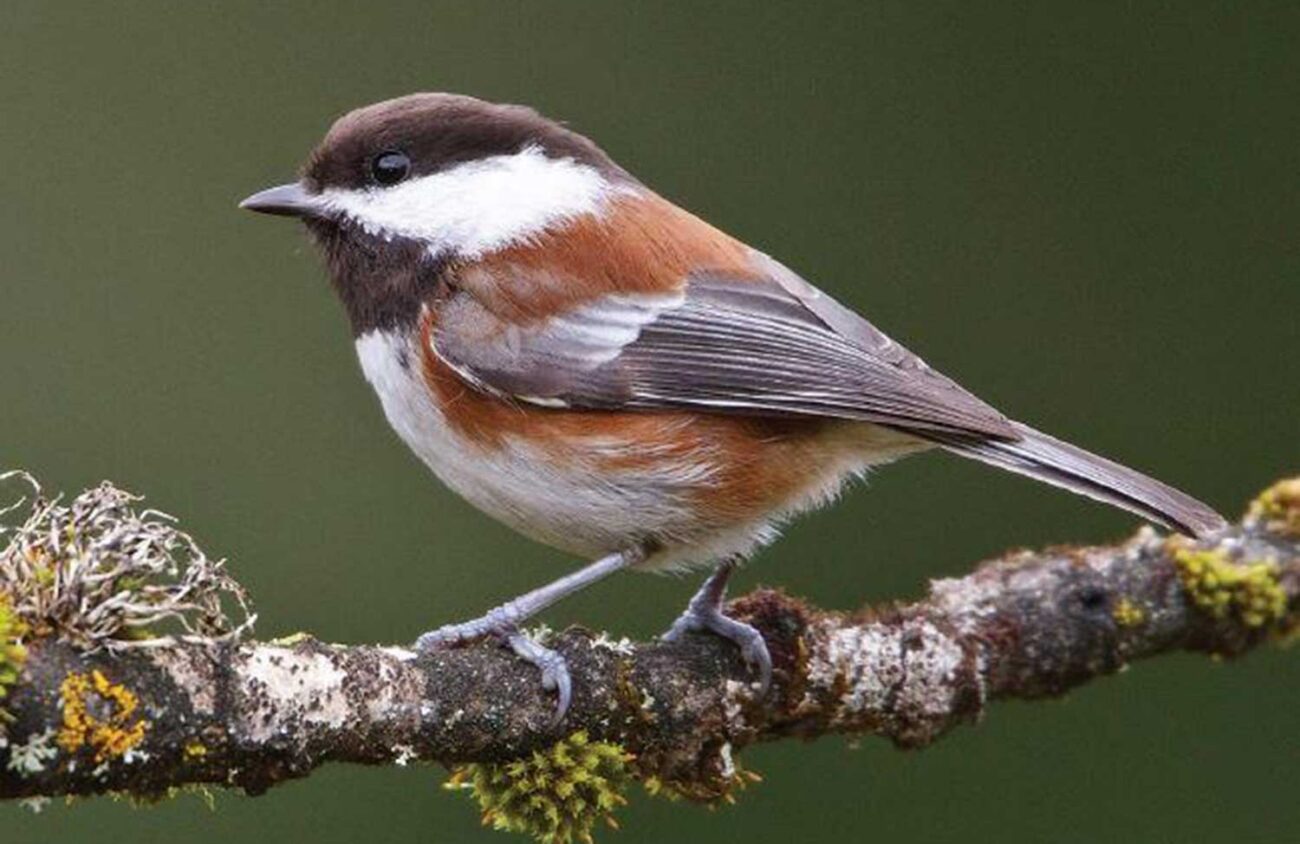
Black-capped chickadees can also be found as the “ringleaders” for feeding “guilds” as they gather with other small birds such as chestnut-backed chickadees, with kinglets (both ruby-crowned and golden-crowned) and red-breasted or white-breasted nuthatches.
Since chickadees are often very familiar with an area, being non-migratory resident birds, other birds rely on them to lead the group to known food sources. In fall and winter, chickadees often form the nucleus of mixed-species flocks, or guilds, of bird groups, including kinglets, nuthatches, woodpeckers, creepers and warblers. Chickadees often are the sentries of such groups, so, if you want to find birds in winter, listen for chickadees to lead you to other interesting birds, too!
Chickadees alert other birds to potential danger with their loud, forceful “dee-dee-dee-dee-dee” calls, and the number, forcefulness and speed of their “dees” can be a good indicator of the level of danger.
Many finches, such as pine siskins, red and white-winged crossbills and evening grosbeaks, winter in the far north, unless they find that there are not enough pine, spruce and fir seed cones to survive winter. These birds developed their wide-ranging, nomadic lifestyle to allow them to search for food — called the “nut mast” — a term given to the seeds and nuts of trees. Such bird migrations are nomadic rather than seasonally predictable, since they are food-availability based.
November is also when — in some years — these finches range down into our area in search of food. Such movements southward of these large groups of finches are called “irruptions.” A group of bird researchers tracks such finch movements and notes the likely irruptions primarily on the eastern side of North America, and some good information or suggestions can be found at the “Finch Forecast Network” at FinchNetwork.org.
Other November-arriving bird species include Townsend’s warblers, small gorgeous black and gold birds with a taste for suet-type foods. With them are often larger groups of yellow-rumped warblers in their duller winter plumage, also fond of suet for those who maintain bird feeders. And, these warblers are often among the feeding guilds anchored by chickadees, so watch for such flocks.
In general, winter often brings more birds to human-maintained feeders due to birds’ greater difficulty in finding reliable food stores, like berries, nuts or seeds on bushes and trees. Insects are harder to find as well, for the insect-specialists among our birds, and these species often are attracted to suet.
Keeping suet feeders freshly filled can attract woodpeckers, delightful wee mobs of gregarious bushtits and colorful warblers that spend winters here, along with the more predictable chickadees and nuthatches.
Seed feeders will draw in flocks of finches, along with chickadees and nuthatches, and sparrows can often be found below on the ground where they prefer to feed. Be prepared to sometimes go through lots of seeds if the finch flocks find you! But, remember they are nomadic, so after being with you for a good solid week or so, suddenly they will be gone, off to visit another neighborhood a mile or so away!
The Garden Palette is a monthly column coordinated by Kim Kelly. Writers include longtime EW garden columnist Rachel Foster, arborist Alby Thoumsin, Barbara and Dan Gleason of Wild Birds Unlimited and Cynthia Lafferty of Doak Creek Native Plant Nursery. Have a gardening question or tip? Email Gardening@EugeneWeekly.com.